Choose a looking game, not a reading test
Invite the child to find a repeated colour, a surprising object or two different moods. Look at a few works closely and let the conversation develop instead of reading every caption aloud.
An art museum near Cubbon Park where families can connect paintings, photographs and visual stories with immersive digital experiences.
Detailed source-linked family guide
1 photo · Saiphani02 · CC BY-SA 4.0 · Photos are representative and may not show current conditions. Credits →
Desk research, not a site visit. Re-check the official notice on the morning you travel.
An art museum near Cubbon Park where families can connect paintings, photographs and visual stories with immersive digital experiences. Choose a few works to explore together, check the changing exhibition dates, and leave time for a food or sensory break.
A shorter, child-led visit can suit preschoolers; school-age children can compare stories and materials, while teens may engage with interpretation and technology. Adult accompaniment is required under 12. Workshop eligibility varies.
Start with what a child notices. A museum conversation does not require an adult to know the artist or a child to give the ‘right’ interpretation.
Invite the child to find a repeated colour, a surprising object or two different moods. Look at a few works closely and let the conversation develop instead of reading every caption aloud.
MAP changes its exhibitions and family programme. Confirm which show is open on your visit date and whether an activity requires a separate booking; general museum access does not guarantee a workshop place.
MAP works well for a family that enjoys looking, talking and making connections between pictures. Build the visit around a few objects your child chooses, rather than a floor-by-floor completion target. A photograph can start a conversation about someone’s expression; a textile can become a search for repeated shapes; a comic can lead to an argument about what happens between two panels. None of these requires a parent to know an artist’s biography. Ask what your child notices before reading the label together.
The <a href="https://map-india.org/about/the-museum/">museum’s collection introduction</a> describes art spanning the tenth century to the present, including photographs, textiles, sculpture and popular culture. The collection is much larger than what is displayed at one time. This is a useful expectation to set: your visit is a changing selection, not a promise to see every famous work mentioned online. Outside, let children look at the embossed metal façade and suggest what it reminds them of before discussing the building’s water-tank inspiration.
The current published rates appear in the price summary above. The <a href="https://map-india.org/visit-us/">visitor page</a> also lists concessions for students, seniors, armed-forces personnel and visitors with disabilities, with valid identification. Caregivers accompanying visitors with disabilities need no pass. The pass covers exhibitions on floors three and four plus lower-ground digital experiences, where places are limited. Group passes are arranged at reception.
Tuesday is currently advertised as free all day. On other opening days, the Infosys Gallery, Gallery on Demand, Visual Storage and fourth-floor metal gallery are among the spaces accessible without a pass. The official page contains unfinished wording about whether GST is included; use the final checkout total or ask reception. Do not budget from an older per-exhibition price. Book through the <a href="https://map.everyticket.in/">official linked ticket portal</a> and check any event separately.
The <a href="https://map-india.org/contact-us/">museum contact page</a> gives Tuesday–Friday 10am–6:30pm and Saturday–Sunday 10am–7:30pm, with Monday closed and last entry half an hour before closing. Address: 22 Kasturba Road, Shanthala Nagar, Bengaluru 560001; telephone +91 80 6933 4100. The <a href="https://karnatakatourism.org/en/attractions/maps-bengaluru/">Karnataka Tourism listing</a> corroborates the current opening pattern.
Our suggested first visit is 90 minutes to two hours, or around three hours when you include a meal and a booked activity. These are planning estimates, not timed ticket durations. A late arrival can be frustrating if a child’s favourite experience has a queue. Start early enough to leave one optional section unvisited without feeling rushed. An older museum FAQ still describes a different weekly schedule and Tuesday afternoon admission; the current visitor and contact pages take precedence, but confirm holiday exceptions before travelling.
The temporary <a href="https://map-india.org/exhibition/a-moving-line-1500-years-of-indian-visual-storytelling/">A Moving Line exhibition</a> runs 25 July–15 November 2026 on floor three. Curated by graphic novelist Amruta Patil, it connects historical storytelling forms with familiar comics and newer graphic narratives. MAP lists kaavad, pattachitra, Amar Chitra Katha and Tinkle among the material. Books to browse, a comic-making intervention, selected tactile and audio responses, and a gallery facilitator make this a particularly relevant family stop while it remains on view.
For a child who reads comics, begin with a page they recognise and compare it with a less familiar storytelling format. Ask: how does the artist tell us where to look next? For a younger child, choose one character and follow their expression instead of explaining the entire historical timeline. An older reader might compare the storyteller’s choices: what is left outside the frame, who gets to speak, and how does a drawing imply noise? Plan around the closing date; these activities should not be promised for later visits.
MAP calls <a href="https://map-india.org/exhibition/beneath-the-turning-sky/">Beneath the Turning Sky</a> its second permanent exhibition, while publishing a run from 17 January 2026 to 3 December 2028. Treat it as a long-running display with a stated end date. On floor four, it considers people’s relationship with the world through paintings, photographs, textiles and other works. Its three parts address wonder, exploration and conquest, and the present and future. MAP also lists tactile experiences, an engagement hub and a children’s publication.
A practical family approach is to select one work about nature and one that feels unfamiliar, then compare the mood each creates. Children do not have to give an academically correct interpretation. Invite them to point to the colour, shape or detail behind their answer. Older children may enjoy discussing whether an artwork makes the future look hopeful or troubling. Ask staff which elements are designed for touch; ordinary displayed artworks remain hands-off. Check whether the children’s publication is available and whether it is a purchase or a loan before building your visit around it.
The free ground-floor exhibition <a href="https://map-india.org/exhibition/grip-hold-pin/">Grip, Hold, Pin</a> is scheduled for 15 August–1 November 2026 in the Infosys Gallery. It combines historical material with modern and contemporary photographs to examine Indian wrestling, including the relationships between discipline, bodies and community. MAP lists all age groups as its audience. This is an exhibition about wrestling; it is not a daily wrestling demonstration or a place to practise moves.
For sports-minded children, photographs offer an accessible starting point: look at balance, posture and the expressions of people watching. With teenagers, discuss what a sports photograph leaves outside the picture, such as training and the surrounding community. Keep physical imitation away from artworks and other visitors. A short visit to this gallery can be satisfying on its own, particularly for families testing whether an art museum suits their child, but its closing date makes it a temporary option.
MAP’s <a href="https://map-india.org/digital-experiences/">digital-experiences page</a> describes lower-ground installations including the mirrored Kaleidoscope Room, a 360-degree painting experience, a conversational digital representation of M. F. Husain, and three-dimensional sculpture experiences. The immersive paintings include work connected with Jamini Roy and Bouquet of Hope. These are digitally mediated encounters with art; the Husain installation is not a live conversation with the artist.
Give each child one question to try at the hologram, then compare the experience with looking at a physical artwork upstairs. In the mirrored room, a child who dislikes multiplying reflections, moving images or enclosed visual environments may prefer to watch from an agreed point or skip it. Ask staff about the current operating setup before entering. Do not make one installation the non-negotiable reward for the outing: technology can be unavailable and capacity can be limited. For image-upload features, use only a picture your family is comfortable sharing with the display.
The <a href="https://map-india.org/gallery-on-demand-at-sasken-multimedia-gallery/">Sasken Multimedia Gallery</a> offers exhibitions and collection stories across 23 screens. Its purpose includes digital access to shows that have already left the physical galleries. MAP mentions subjects ranging from photography to Bhil art and cinema-related material. This is especially useful when a child wants to linger with one theme rather than follow a prescribed route.
Let the child choose the subject first, then agree to try one unfamiliar story together. Avoid interpreting a digital recreation as evidence that its original artworks are still physically displayed elsewhere in the building. For a family with several children, taking turns choosing a subject can work better than constantly switching between screens. The experience remains screen-based, so families looking for a break from devices may prefer to use it briefly and spend their main attention on objects upstairs.
The <a href="https://map-india.org/learn/kids-families/">Kids & Families page</a> offers downloadable Discover MAP activity packs and Art Sparks videos. These provide a way to introduce looking and making before arriving or continue a conversation afterwards. Choose one short activity rather than assigning museum homework. A child who has already tried noticing patterns or inventing a story may feel more confident giving an opinion in a gallery.
The dated <a href="https://map-india.org/map-events/family-day-sixth-edition/">sixth Family Day</a> is advertised for 31 October 2026, 10am–5:30pm. Listed activities include puppet making, a Yakshagana workshop, storytelling, a scavenger hunt and performances. It is a specific event, not the everyday timetable. Use its registration link and confirm session ages, spaces, charges and accompanying-adult requirements. A programme running across the day does not mean every activity runs continuously; select two priorities and allow gaps for food and rest.
The <a href="https://map-india.org/terms-and-conditions/?tab=accessibility-tab">accessibility information</a> describes accessible entrances and toilets, a first-come manual wheelchair, a terrace quiet room, and limited accessible parking requiring advance arrangement. Supported group tours and quiet-hour arrangements should be booked beforehand. Ask about your specific needs rather than treating a listed facility as a guaranteed reserved service.
For a sensory-sensitive child, describe the outing in two parts: galleries with objects and optional digital installations. Agree on a simple signal for taking a break before entering. For a wheelchair user, ask staff about the route to the particular gallery and any activity seating. The current fourth-floor exhibition specifically lists lifts on every floor. Published information does not settle every family question: confirm baby-changing provision, feeding arrangements, stroller storage and any essential equipment needs directly.
MAP’s building includes café and restaurant spaces; its <a href="https://map-india.org/wp-content/uploads/2024/06/MAP-Annual-Report-2024.pdf">2024 annual report</a> records the opening of the rooftop Cumulus restaurant by SMOOR. That historical source establishes the restaurant’s identity, not today’s menu, kitchen hours or reservation availability. Ask the museum which dining options are operating on your date. Do not assume restaurant opening hours match gallery hours or that a museum pass includes refreshments.
Plan a proper food pause outside the galleries before a younger child becomes hungry. For allergies, speak to the dining operator about ingredients and cross-contact rather than relying on a cuisine label. A rooftop meal can add substantially to the length and cost of the outing; families wanting a short art visit should decide on a simpler food plan in advance. Confirm outside infant-food arrangements separately if they are essential.
MAP is in central Bengaluru’s museum district near Cubbon Park, opposite the Government Museum and Visvesvaraya Industrial & Technological Museum. Use <a href="https://www.google.com/maps/search/?api=1&query=Museum+of+Art+and+Photography+22+Kasturba+Road+Bengaluru">MAP’s exact map location</a> and <a href="https://www.google.com/maps/dir/?api=1&destination=Museum+of+Art+and+Photography+22+Kasturba+Road+Bengaluru">live directions</a> for your starting point. With children, judge the final approach by crossings, weather and their remaining energy rather than choosing a metro station from distance alone.
Our suggested combination is one focused MAP visit followed by a modest outdoor pause in Cubbon Park if conditions suit. Attempting several large museums on the same day can turn a compact geographical cluster into an exhausting itinerary. For children especially interested in science, choose either a shorter MAP introduction alongside the science museum or reserve MAP for another day. Nearby attractions have their own opening arrangements and admission rules; a MAP pass is not a combined museum-district ticket.
The <a href="https://map-india.org/terms-and-conditions/?tab=visitor-guidelines-tab">visitor guidelines</a> require adult accompaniment for children under 12. Backpacks and suitcases are excluded from galleries; handbags up to 40 × 40cm are permitted. Gallery food and drink, flash, selfie sticks and camera supports are prohibited. Touch only designated tactile material. Confirm storage arrangements before bringing luggage or a large changing bag.
Before entering, let the child choose between two achievable goals: finding three surprising details or selecting a favourite work to explain to the rest of the family. This gives structure without making the visit a test. End while there is still something they would like to return for. Afterward, ask which artwork they would place at home and why; a specific remembered image is a better measure of a successful visit than the number of rooms completed.
Prices, access and programmes can change. Confirm with the operator before setting out.
22 Kasturba Road, Shanthala Nagar, Bengaluru, Karnataka 560001
Search-based Google map. Confirm the public entrance before travelling; this is not a surveyed entrance pin.
The current Visit Us page says all day. An older FAQ retains the afternoon-only wording. Follow the current visitor information and check a date-specific event separately; free museum access does not remove registration or capacity limits.
You can begin with the museum’s no-pass spaces and decide whether to extend the outing. For a child with a very specific paid experience in mind, check its availability first so the purchase matches what they expect to do.
Yes, while the exhibition is running: Tinkle is among its named material, alongside other visual-storytelling traditions. Use that familiar reference as a starting point and let the child compare how different pictures tell a sequence. Its advertised closing date is 15 November 2026.
MAP uses that description, but also publishes an end date of 3 December 2028. It is best understood as the long-running collection exhibition for the current programme, rather than an assurance that these exact works remain indefinitely.
The encounter is a conversational digital representation. Explain that distinction beforehand. Ask the child to prepare a question about art and afterward discuss how this technological experience differs from meeting a living person.
It may not. Mirrored images and changing screens can feel intense to some visitors. Speak to staff about viewing options and make skipping it an acceptable choice, rather than the point at which the whole outing succeeds or fails.
No. The currently listed sixth edition is dated 31 October 2026. Other workshops have their own dates and registration rules. Check the event calendar instead of assuming a drop-in craft table will be available during every visit.
Gallery on Demand describes digital access to previous exhibitions, including Book of Gold. That is a different experience from seeing the original objects in a current physical exhibition. Check the screen programme if one past show is the main reason for visiting.
Dining is a separate choice, and the museum lists café and restaurant access among its no-pass options. Confirm the operating outlet, reservation requirement and service hours directly. Treat food spending separately from museum admission.
Choose a main attraction and keep the second stop optional. A family absorbed in art can spend its available attention at MAP; a science-focused child may prefer a brief MAP introduction. Geographical proximity does not make three substantial visits equally enjoyable for every age.
Your first-hand tip helps the next family: the best time to go, where the toilets are, what to skip. An editor reads every tip before it appears.
Desk-checked against linked primary sources on 2026-11-01; not a site visit. Ages, durations and suggested activities are editorial advice. Confirm date-specific access, prices and facilities before travel. Last checked 1 November 2026.
Tell us what has changed: new hours, a price, a closed gallery, a changing table that exists or doesn’t. We check against a source before publishing.
Run Museum of Art & Photography (MAP), Bengaluru? Claim this listing to take enquiries and send us updates. It’s free.
Consider one of these if there is time and energy left. They are alternatives; the route link lets you check the journey before adding a stop.
30–60 minutes casual visit · Indoor & outdoor
A BMRCL cultural strip beside MG Road Metro, combining galleries, performance spaces and a children’s activity area. Check its own opening and access notes before adding a second stop.
2–3 hours for selected galleries · Indoor & outdoor
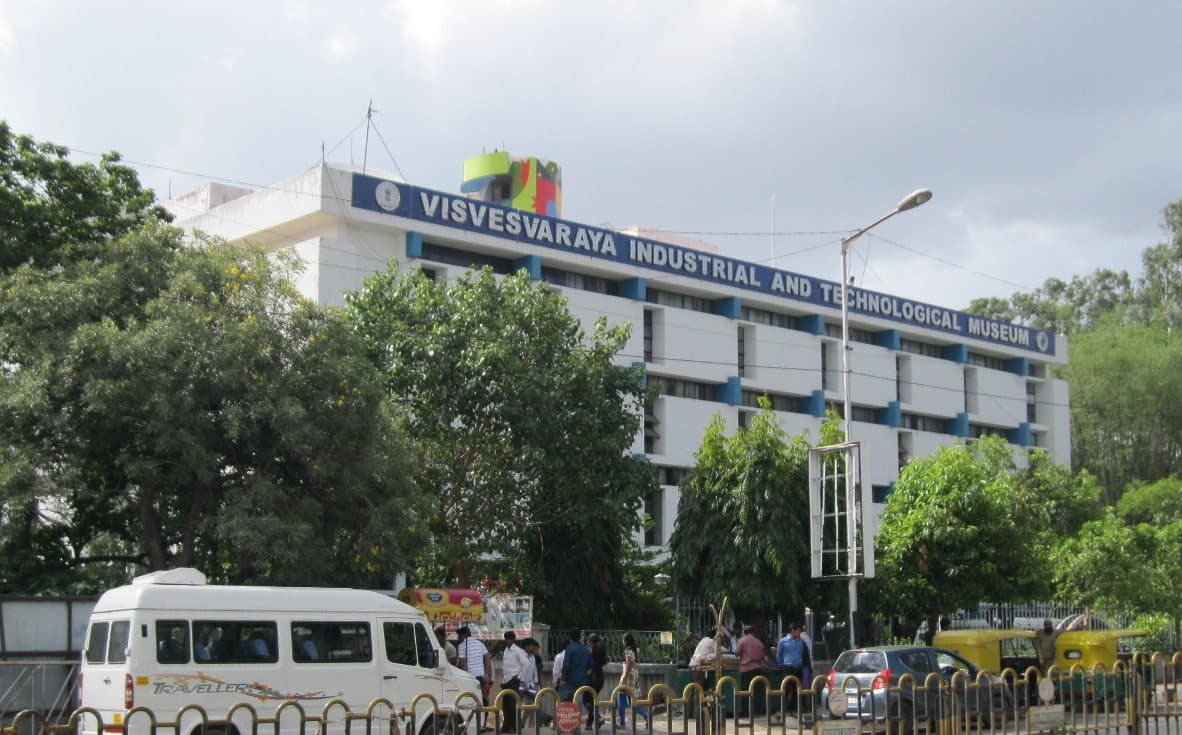
A hands-on science museum beside Bengaluru’s Cubbon Park district, with a refurbished Fun Science gallery, engines, electricity, space and biotechnology exhibits. Check its own opening and access notes before adding a second stop.
Allow 60–90 minutes for a family park walk · Outdoor
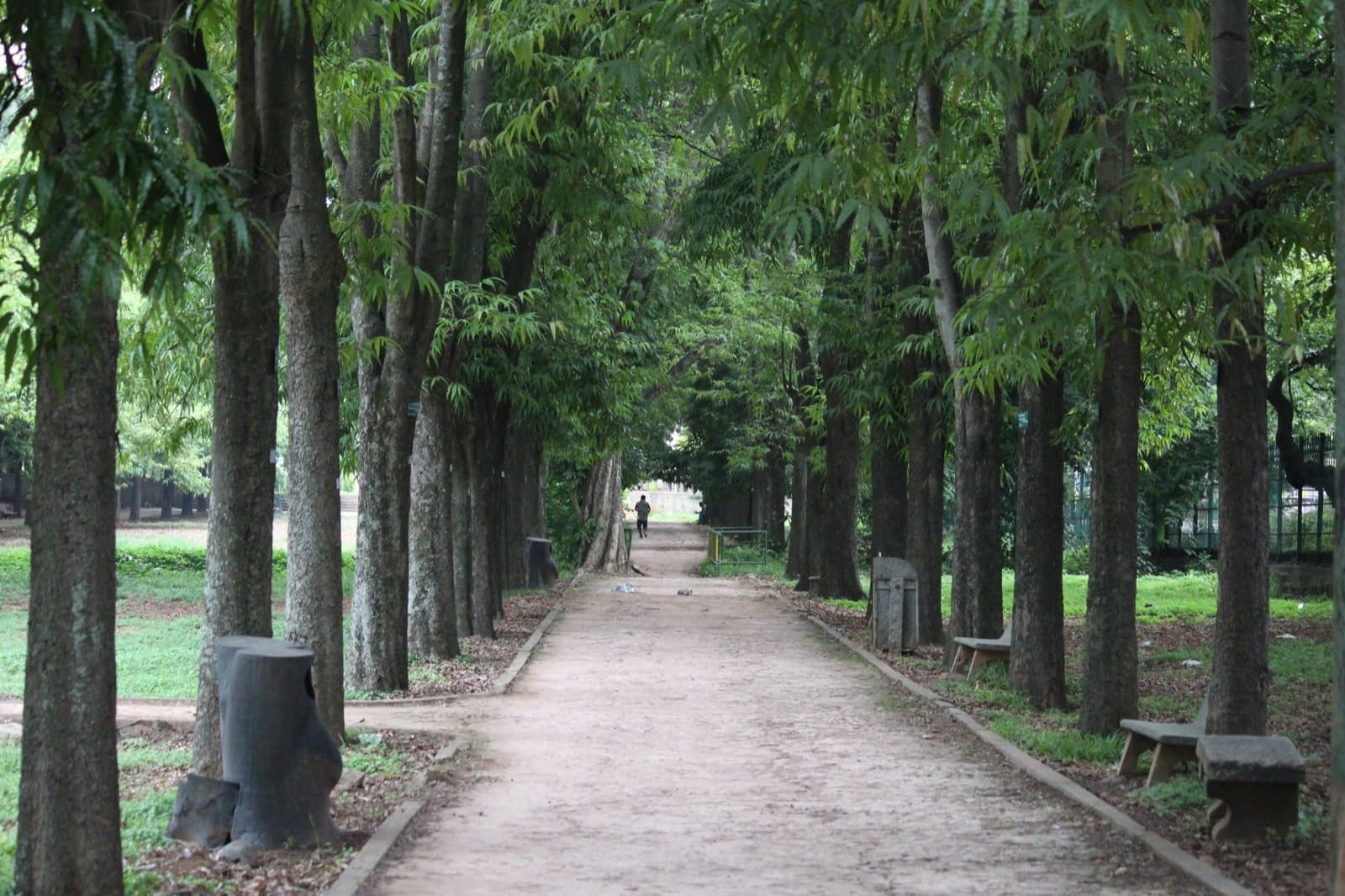
Cubbon Park gives families a shaded break in central Bengaluru: tree-lined paths, the red State Central Library exterior and space for a slow nature walk. Check its own opening and access notes before adding a second stop.