Use the cannon to start a practical question
Ask how the cannon could be made and moved before modern machinery. A concrete problem gives the museum displays meaning without needing a long military-history lecture.
Jaigarh is the working-fort counterpart to Amer’s palace rooms: thick defences, cannon-making history, water storage and wide hill views give children practical problems to investigate.
The current fort operator publishes admission, inclusions and hours. Separate activity tickets and the international-resident panel should be checked before purchase.
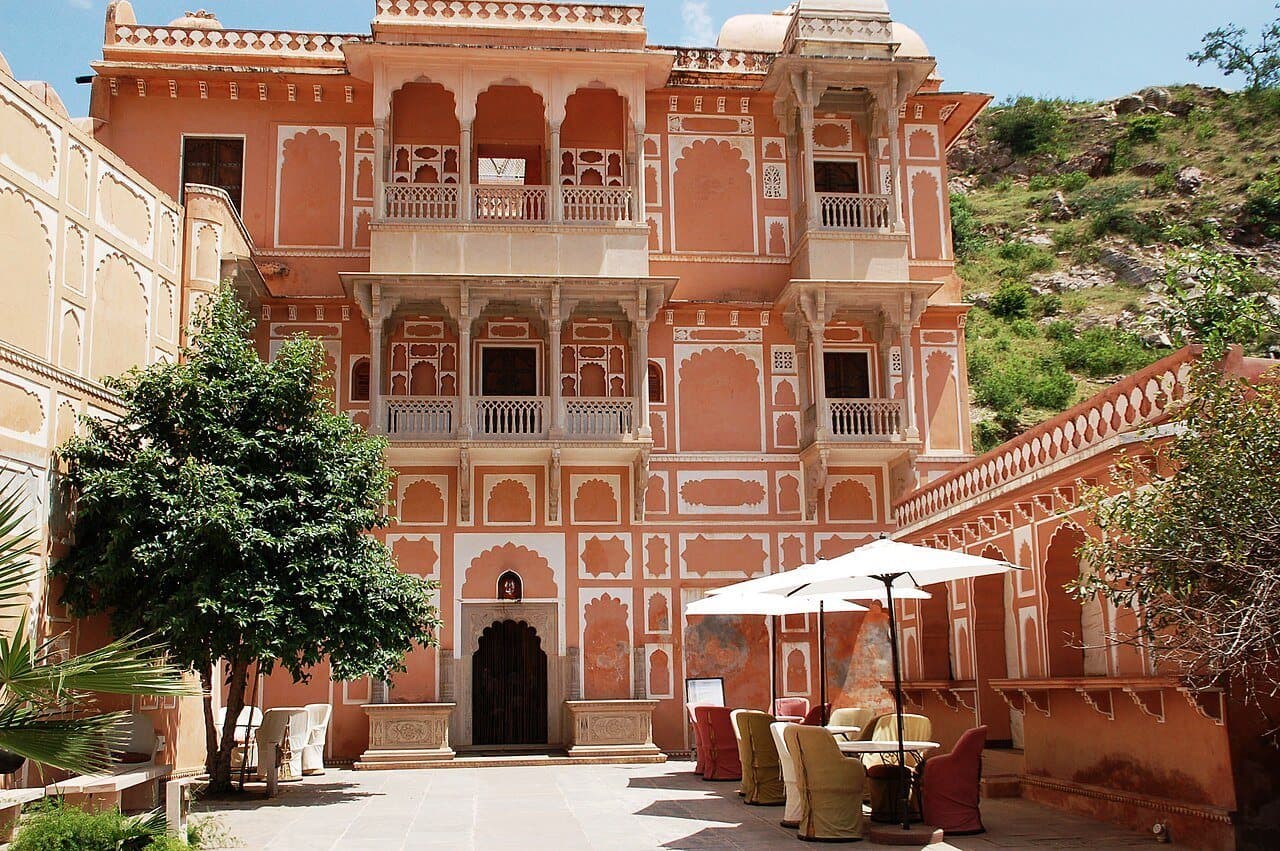
1 photo · Jakub Hałun · CC BY-SA 4.0 · Photos are representative and may not show current conditions. Credits →
Desk research, not a site visit. Re-check the official notice on the morning you travel.
Jaigarh is the working-fort counterpart to Amer’s palace rooms: thick defences, cannon-making history, water storage and wide hill views give children practical problems to investigate. The Jaivan cannon is the obvious highlight, but a good family visit also asks how people supplied and defended a hilltop settlement. Current admission includes museum access and the Sculpture Park; the Lumera tablet tour is an optional extra.
No general minimum age is published. The operator has a child category for ages 5–12; ask about under-fives. Uneven paths, distance and exposed edges make a shorter route sensible with younger children.
A child interested in how things work can find more here than a photograph beside a cannon. Keep the route selective and decide in advance whether an additional digital experience is worth the time.
Ask how the cannon could be made and moved before modern machinery. A concrete problem gives the museum displays meaning without needing a long military-history lecture.
Lumera is an extra purchase with its own format. Confirm sharing, language and child requirements so a family does not arrive expecting it inside the basic admission.
The connecting route can add effort after a palace visit. Ask about the actual approach and cart operation, and keep a vehicle transfer available for younger legs.
Look at the fort’s position above Amer before trying to remember the names of every ruler. Ask your child what someone on this ridge could see, and why a palace lower down might need a stronger defensive neighbour. The landscape makes the relationship between Amer and Jaigarh easier to understand than a list of battles.
A family route can focus on three ideas: protection, making things and storing essentials. Follow the authorised paths between a viewpoint, the cannon area and a museum stop. There is no need to cover every wall or tower to understand the place, especially after a demanding morning at Amer.
Jaigarh operator: collections and fort features · Incredible India: Jaigarh history
The large wheeled Jaivan cannon gives children a clear scale comparison: look at its wheels, barrel and support from the permitted viewing area. Ask how something so heavy could be made, moved and aimed before modern machinery. Keep the discussion grounded in what is visible rather than repeating dramatic firing legends as established fact.
The operator also identifies a cannon foundry and armoury-related displays. If these areas are open on your visit, they help connect the finished object with the people and processes behind it. Do not climb on military objects or assume that an impressive display is designed for handling.
Jaigarh operator: collections and fort features · Incredible India: Jaigarh history
Jaigarh’s water-harvesting system is an especially useful family subject in Rajasthan. Ask how rain falling on a hill could be collected and stored, and why a defended settlement would need a reliable supply. Follow only the visitor route; tanks and channels are historic infrastructure, not places to descend into.
The Char Bagh and palace-related spaces offer a contrast with the military areas. Children can compare an ordered garden layout with the rougher hill landscape outside. The operator also lists War & Peace, armoury and contemporary sculpture elements, so a visit need not be entirely about warfare; ask which galleries are accessible that day.
Lumera describes a tablet-and-headphone experience that overlays reconstructed scenes on the fort, with six areas and a suggested 60–90 minutes. It may appeal to an older child who enjoys visual storytelling, but it changes both the pace and the budget. Its advertised starting price is ₹400, separate from fort admission.
Check the current product, device-sharing rules, language and any child requirements before buying. Do not assume the headline price covers every person in a family or that all ages can use the device independently. A conventional walk remains a complete experience; the tablet is an optional interpretation tool, not the only way to understand the fort.
The current Indian/resident admission panel lists ₹200 per adult and ₹100 for children aged 5–12 or students with valid ID. It includes the fort, museum access, cannon viewing and Sculpture Park. At those rates, two Indian adults and one child aged 5–12 total ₹500; two such children make ₹600. Confirm the international panel and under-five terms rather than borrowing an older nationality table.
A licensed guide for one to four visitors is listed at ₹400, so the three-person example becomes ₹900 with that guide before travel or other extras. The operator publishes concessions, including a student-rate ticket for wheelchair users or visually impaired visitors with one carer free; eligibility evidence and route access should be discussed in advance.
The fort’s own site states 09:00–18:30 daily, with last entry at 18:00. A last-entry ticket does not create enough time for a full two-hour route, so arrive well earlier if museums and detailed observation matter. Morning can also help avoid the strongest heat on exposed paths.
Jaigarh, Amer and Nahargarh are different attractions and tickets. Do not assume a Rajasthan government composite pass covers this separately managed fort. If buying a City Palace-related combination, read its current named inclusions and validity rather than treating every “Jaipur composite” as the same product.
The operator identifies an Amer–Jaigarh route, while Lumera describes a walking connection and a paid golf-cart option. Those are not guarantees of an easy stroller route or a cart available whenever you arrive. Ask about current access, slope and cart operation if linking the two forts; a separate vehicle approach may suit tired children better.
Arrange the return pickup and carry drinking water, sun protection and comfortable shoes. Parking is listed outside the fort. Confirm toilets and the easiest route on arrival; admission concessions do not certify the whole historic site as step-free. Keep children away from exposed edges and use only authorised viewpoints.
Jaigarh operator: tickets, hours and guide rates · Jaigarh operator: collections and fort features · Lumera: interactive Jaigarh tablet tour
Prices, access and programmes can change. Confirm with the operator before setting out.
Jaigarh Fort, Cheel ka Teela above Amer, Jaipur, Rajasthan
Search-based Google map. Confirm the public entrance before travelling; this is not a surveyed entrance pin.
The operator lists adult ₹200 and child ages 5–12 ₹100. Two adults and one child in that bracket total ₹500; two children make ₹600. Confirm any later change when buying.
The current fort admission panel includes museum access, cannon viewing and the Sculpture Park. Optional guiding and Lumera are separate; ask about any special exhibition product.
Do not assume it does. Jaigarh is separately managed. A City Palace-linked combination is a different product; check the exact included sites and validity.
Daily closing is 18:30, with last entry at 18:00. Arrive much earlier for a full visit rather than relying on older listings or the final admission time.
No. Lumera advertises an optional experience starting at ₹400 and explicitly requires a separate fort ticket. Confirm device and participant rules before paying.
The existence of a connecting route does not establish a fully step-free or easy stroller journey. Ask about slope, current access and any paid cart service; choose vehicle access if needed.
The operator lists ₹400 for one to four visitors. Only guides licensed by the Jaigarh Public Charitable Trust may conduct tours inside; agree on the route and duration.
The retrieved operator panel defines ages 5–12 but does not establish the under-five rule. Confirm it rather than applying another Jaipur monument’s child exemption.
Use the water-harvesting system to discuss collecting rain on a hill, then compare the formal garden and defensive walls. These give the visit a wider story about daily life and engineering.
Your first-hand tip helps the next family: the best time to go, where the toilets are, what to skip. An editor reads every tip before it appears.
Desk-checked against linked primary sources on 2026-11-01; not a site visit. Ages, durations and suggested activities are editorial advice. Confirm date-specific access, prices and facilities before travel. Last checked 1 November 2026.
Tell us what has changed: new hours, a price, a closed gallery, a changing table that exists or doesn’t. We check against a source before publishing.
Run Jaigarh Fort? Claim this listing to take enquiries and send us updates. It’s free.
Consider one of these if there is time and energy left. They are alternatives; the route link lets you check the journey before adding a stop.
75–120 minutes, including time to watch an available demonstration · Indoor & outdoor
Anokhi Museum makes hand-printed textiles understandable through cloth, tools and the work of block printers and a block carver in a restored Amer haveli. Check its own opening and access notes before adding a second stop.