Make one replica a construction puzzle
Spend a few minutes identifying reused pieces in a favourite structure. That gives the visit a more lasting purpose than collecting seven nearly identical posed photographs.
Waste to Wonder Park uses scrap metal to reinterpret seven well-known world landmarks in a compact outdoor photo-and-observation circuit.
Official visitor information checked; temporary restrictions and individual displays can change.
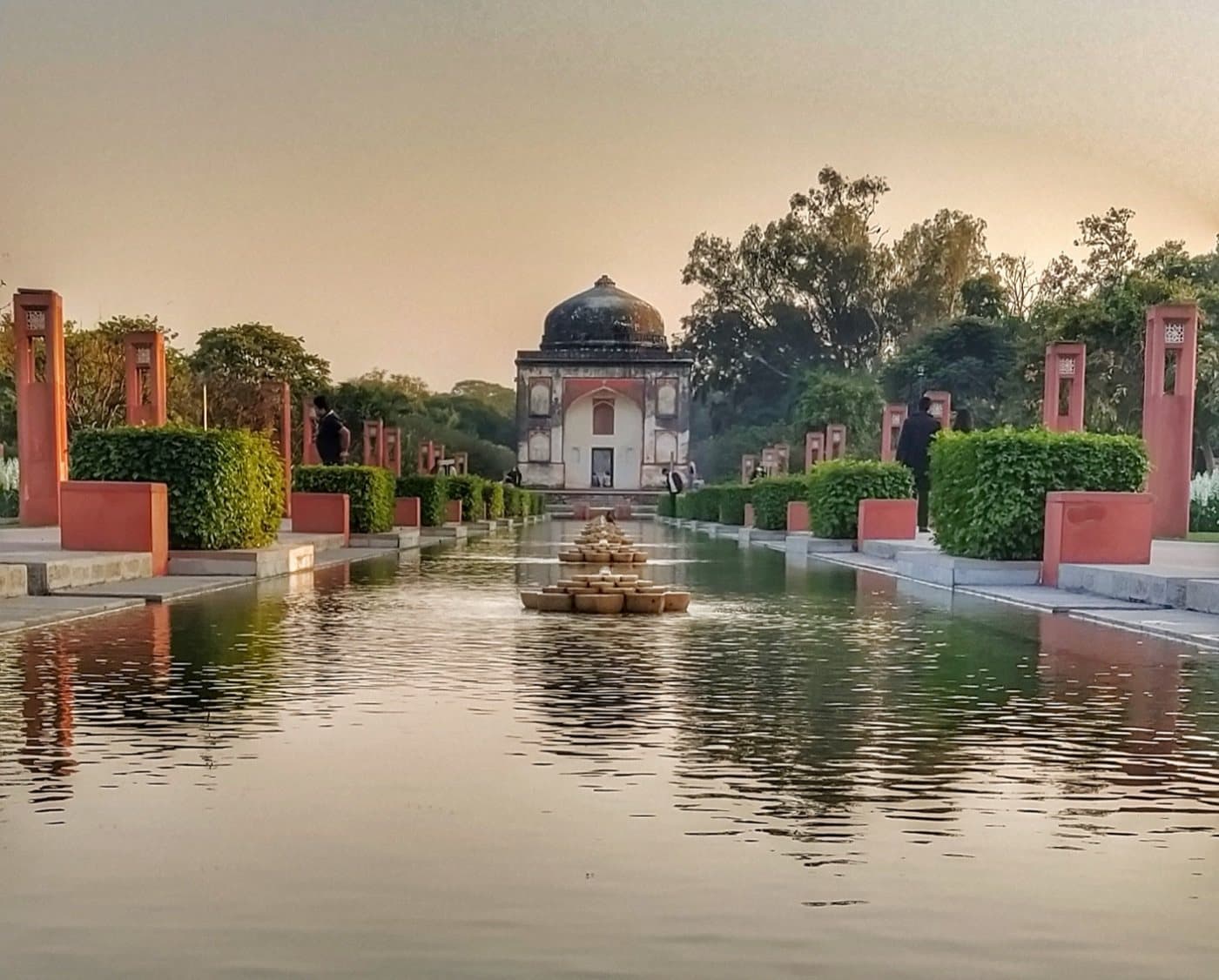
1 photo · Danish971 · CC BY-SA 4.0 · Photos are representative and may not show current conditions. Context photograph — Sunder Nursery (Garden). Archival photograph; current access and conditions may differ. Neighbourhood context, not a photograph of Waste to Wonder Park.. Credits →
Desk research, not a site visit. Re-check the official notice on the morning you travel.
Waste to Wonder Park uses scrap metal to reinterpret seven well-known world landmarks in a compact outdoor photo-and-observation circuit. The interesting family question is how discarded parts become recognisable forms, rather than whether the replicas replace seeing the originals.
All ages for a short circuit; primary-age children can explore reuse ideas
Decide whether the child wants to inspect the materials or enjoy the lit silhouettes, then choose the timing.
Spend a few minutes identifying reused pieces in a favourite structure. That gives the visit a more lasting purpose than collecting seven nearly identical posed photographs.
Food rules need gate confirmation, and the park is primarily a viewing circuit. Arrange a straightforward meal before or after rather than counting on a picnic inside.
The park’s premise is a set of landmark replicas assembled from discarded metal and other waste. Start by identifying a familiar outline, then look for the pieces that create it. A wheel, pipe or sheet can become part of a much larger shape. Keep this observation from the permitted path; sculptures are not climbing structures. Children can enjoy the puzzle even when they have never heard of every original monument.
Delhi Tourism Waste to Wonder Park · Waste to Wonder visitor-information site; operator status not established
The documented set includes the Taj Mahal, Eiffel Tower, Great Pyramid, Colosseum, Christ the Redeemer, Statue of Liberty and Leaning Tower of Pisa. Choose a few to compare in detail rather than giving seven hurried geography lectures. A child might notice which form leans, which has a dome and which uses an open framework. The park’s theme is a creative selection, not a lesson that all seven belong to one universally agreed historical list.
Waste to Wonder visitor-information site; operator status not established
Daylight helps children see the reused components, while the illuminated evening view emphasises the finished silhouettes. If both matter, arrive with enough daylight for close observation before darkness. Lighting operation can vary, and a late closing time should not force a child to stay tired. Keep the route clear and the family together when photo queues form. Avoid letting a photograph require stepping into a planted or restricted area.
Delhi Tourism Waste to Wonder Park · Waste to Wonder visitor-information site; operator status not established
The published adult and child rates make two adults and one child aged three to twelve a ₹125 admission example. Transport, parking and purchases are additional. No ride package or hands-on recycling workshop is established by that fee. Corporation-school admission is a specific category and should not be treated as free entry for every child carrying a school card. Ask about exact age boundaries and any special programme before payment.
Use the park’s Rajiv Gandhi Smriti Van location rather than a broad bus-terminal pin. The tourism authority identifies the Nizamuddin stop on the Pink Line; check the current exit and final walking route. The independent park-information site describes outside-food restrictions and toilets, but their current practical arrangements need gate confirmation. Plan a separate meal and carry only permitted essentials rather than assuming a full picnic is welcome among the replicas.
Delhi Tourism Waste to Wonder Park · Waste to Wonder visitor-information site; operator status not established
The park can start a useful conversation about what a discarded object can become. After the visit, the child could sketch a familiar household object transformed into something else; there is no need to collect scrap from the site. Distinguish a creative reuse example from a claim that all waste is harmless or easily recycled. Finish with a favourite construction detail and avoid adding another distant photo attraction merely to increase the number of places visited.
Prices, access and programmes can change. Confirm with the operator before setting out.
Rajiv Gandhi Smriti Van, near Sarai Kale Khan, New Delhi
Search-based Google map. Confirm the public entrance before travelling; this is not a surveyed entrance pin.
No. Delhi Tourism lists Monday closure.
₹50 on the tourism authority’s visitor page.
₹25 for ages three to twelve; confirm exact boundaries at the gate.
No. They are creative replicas made from reused material.
No climbing entitlement is established; stay on permitted paths and follow signs.
No such inclusion was verified.
The published exemption refers to corporation schools, not all ordinary family visits.
Daylight reveals construction materials; evening emphasises lighting. Choose according to the child’s interest and energy.
Your first-hand tip helps the next family: the best time to go, where the toilets are, what to skip. An editor reads every tip before it appears.
Desk-checked against linked primary sources on 2026-11-01; not a site visit. Ages, durations and suggested activities are editorial advice. Confirm date-specific access, prices and facilities before travel. Last checked 1 November 2026.
Tell us what has changed: new hours, a price, a closed gallery, a changing table that exists or doesn’t. We check against a source before publishing.
Run Waste to Wonder Park? Claim this listing to take enquiries and send us updates. It’s free.
Consider one of these if there is time and energy left. They are alternatives; the route link lets you check the journey before adding a stop.
60–120 minutes · Indoor
Humayun’s Tomb World Heritage Site Museum explains the buildings, craftsmanship and cultural history of the Nizamuddin area beneath the shared heritage arrival landscape. Check its own opening and access notes before adding a second stop.
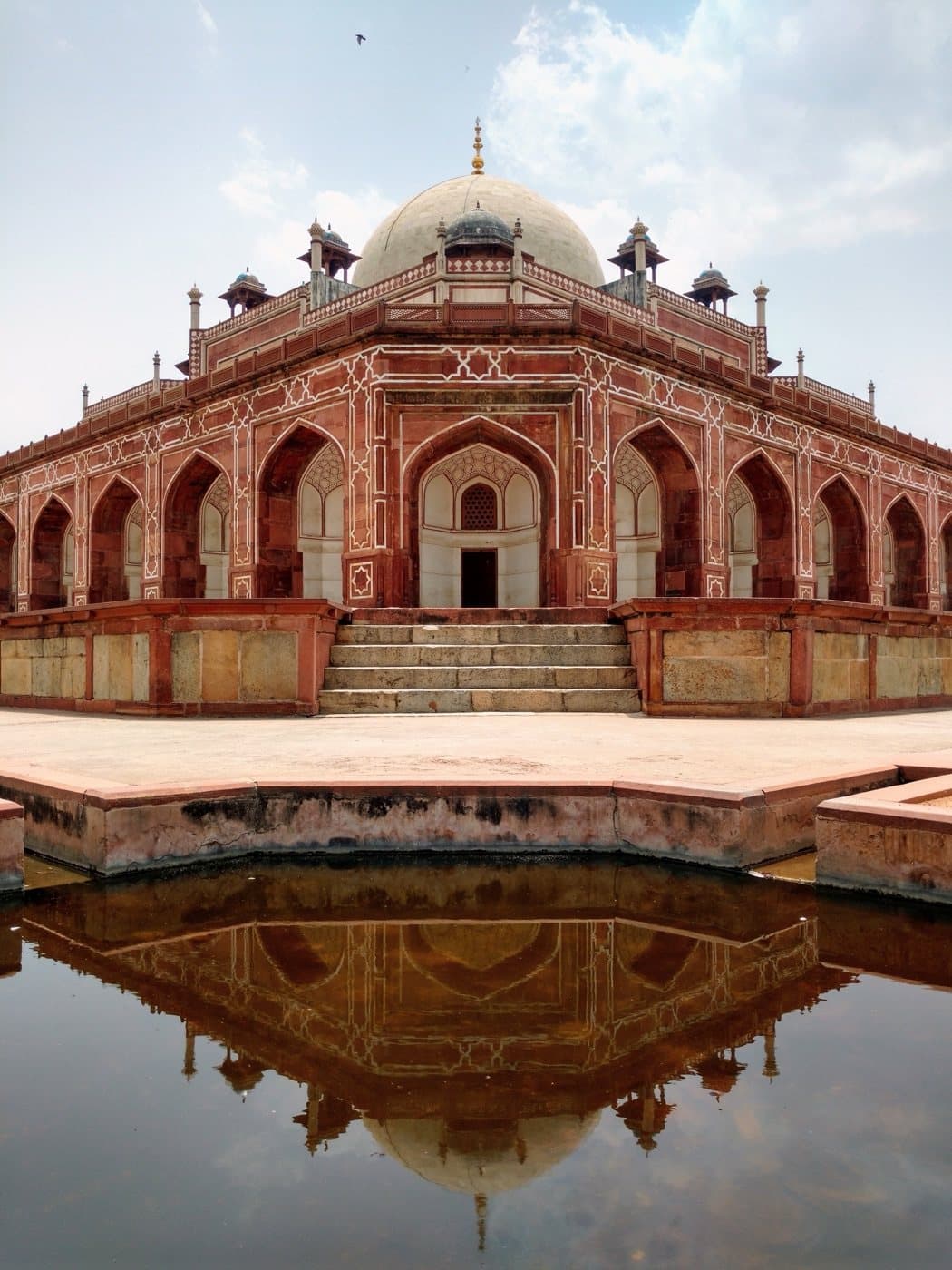
1.5–2.5 hours · Outdoor
Humayun’s Tomb is a garden-tomb experience built around the approach, symmetrical landscape and monumental red-and-white mausoleum. Check its own opening and access notes before adding a second stop.