Use the building’s former purpose
A child can understand the change from stable to museum by looking at room shapes and motifs. That gives context before introducing the more abstract subject of diplomatic gifts.
Rashtrapati Bhavan Museum currently requires a Phase I-focused plan: its official booking page says Phase II has been closed since 6 October 2025 until further notice.
Phase I open; official booking page retains Phase II closure from 6 October 2025 until further notice.
1 photo · कृष्ण कान्त शर्मा · CC BY-SA 4.0 · Photos are representative and may not show current conditions. Credits →
Desk research, not a site visit. Re-check the official notice on the morning you travel.
Rashtrapati Bhavan Museum currently requires a Phase I-focused plan: its official booking page says Phase II has been closed since 6 October 2025 until further notice. The open Stables and Coach House collection introduces presidential gifts, art and ceremonial life through historic objects.
Best for ages 6+; younger children need a short object-based route
Book for the currently open object collection, not for a digital Phase II experience that the operator still lists as closed.
A child can understand the change from stable to museum by looking at room shapes and motifs. That gives context before introducing the more abstract subject of diplomatic gifts.
This is a screened estate visit, not a casual mall museum. Arrange food and luggage outside the visit and clarify essential child supplies before travelling to Gate 30.
The current official booking page explicitly states that Phase II has been closed from 6 October 2025 until further notice and only Phase I remains open. This is a partial museum closure, not proof that all visitor circuits are shut. Older descriptions of the complete underground complex, immersive displays and presidential-history route should not be treated as the present itinerary. Confirm the operating phase when booking, especially if an interactive experience is the family’s main reason for travelling.
Phase I preserves the former Stables and Coach House as museum spaces. The estate’s description explains that individual stalls became display enclaves, while horseshoe motifs remain in parts of the architecture. This creates two stories children can follow at once: what the building originally did and what the objects now tell us. Look at the room shape before the display, then ask how a space for horses became a place for preserving gifts and art. Do not touch architectural details or objects to demonstrate the comparison.
The Stables collection includes artworks, furniture, textiles, photographs and gifts received by presidents. Choose one object whose material or shape catches the child’s attention and read the label together. A gift can communicate something about a place or a relationship; it is not simply a valuable decoration. Ask the child what they might choose to represent their own city, then distinguish that suggestion from the actual history recorded on the label. The visit works without attempting to name every giver or president.
The official Stables account identifies a long hall with War Scene, Furniture and President’s Bodyguard galleries, alongside corridors of paintings and gifts. Furniture can make an institutional story tangible: chairs, tables and rooms help children imagine how ceremonial or working spaces are used. The Bodyguard material offers a chance to discuss the difference between a museum display and a live ceremony. A museum ticket does not guarantee attendance at the separate Change of Guard programme or access to the President’s main residence.
Rashtrapati Bhavan: The Stables collection · Rashtrapati Bhavan official estate FAQ
Book the current Museum Phase I circuit through the official visitor portal and confirm the fee and child exemption in the selected booking. Phase II remains closed; no other estate circuit is included by implication.
The museum entrance is Gate 30 on Mother Teresa Crescent Road, distinct from the garden and main-building gates. Official instructions prohibit eatables, backpacks and professional cameras, while allowing phones. Resolve essential care supplies with the facilitation cell if the rules affect the family. The museum instructions contain both online-only wording and an on-the-spot booking statement; advance online booking is the clearer planning choice. Arrive for the selected slot with time for screening rather than treating the 4pm entry cutoff as a recommended arrival.
Rashtrapati Bhavan official estate FAQ · Museum facilitation cell: visitor instructions
Begin by confirming which Phase I galleries are accessible, then choose one architectural detail, one gift and one furniture or ceremonial display. Give each object enough time for a question rather than rushing through all display enclaves. Ask the child what changes when an everyday object becomes part of a national collection. Keep a separate meal plan because food is restricted. Amrit Udyan is seasonal and the main building is separately booked, so neither should be promised as a spontaneous extension after the museum.
Official museum booking: Phase II closure notice · Rashtrapati Bhavan: The Stables collection · Rashtrapati Bhavan official estate FAQ
Prices, access and programmes can change. Confirm with the operator before setting out.
Gate 30, Mother Teresa Crescent Road, Rashtrapati Bhavan Museum, New Delhi
Search-based Google map. Confirm the public entrance before travelling; this is not a surveyed entrance pin.
No. The official booking page says Phase II has been closed since 6 October 2025 until further notice; only Phase I is open for public visits.
The Stables and Coach House collection includes presidential gifts, paintings, furniture and ceremonial material. Use the current accessible galleries rather than promising the closed Phase II digital route.
Book the current Museum Phase I circuit through the official visitor portal and confirm the fee and child exemption in the selected booking. Phase II remains closed; no other estate circuit is included by implication.
Gate 30 on Mother Teresa Crescent Road. The gardens and main building use different visitor entrances.
The museum instructions prohibit backpacks and eatables. Contact the facilitation cell beforehand if essential childcare supplies require clarification.
The estate FAQ requires foreign visitors to follow passport submission requirements when booking and carry the original passport for identification.
No. Gardens, main building and museum are separate circuits; Amrit Udyan also has seasonal public openings.
The official instructions contain conflicting online-only and on-the-spot statements. Use advance online booking and the confirmed slot to avoid that uncertainty.
Yes. Official guidance reserves cancellation or refusal for exceptional/security reasons, with notification through registered contact details where applicable.
Your first-hand tip helps the next family: the best time to go, where the toilets are, what to skip. An editor reads every tip before it appears.
Desk-checked against linked primary sources on 2026-11-01; not a site visit. Ages, durations and suggested activities are editorial advice. Confirm date-specific access, prices and facilities before travel. Last checked 1 November 2026.
Tell us what has changed: new hours, a price, a closed gallery, a changing table that exists or doesn’t. We check against a source before publishing.
Run Rashtrapati Bhavan Museum? Claim this listing to take enquiries and send us updates. It’s free.
Consider one of these if there is time and energy left. They are alternatives; the route link lets you check the journey before adding a stop.
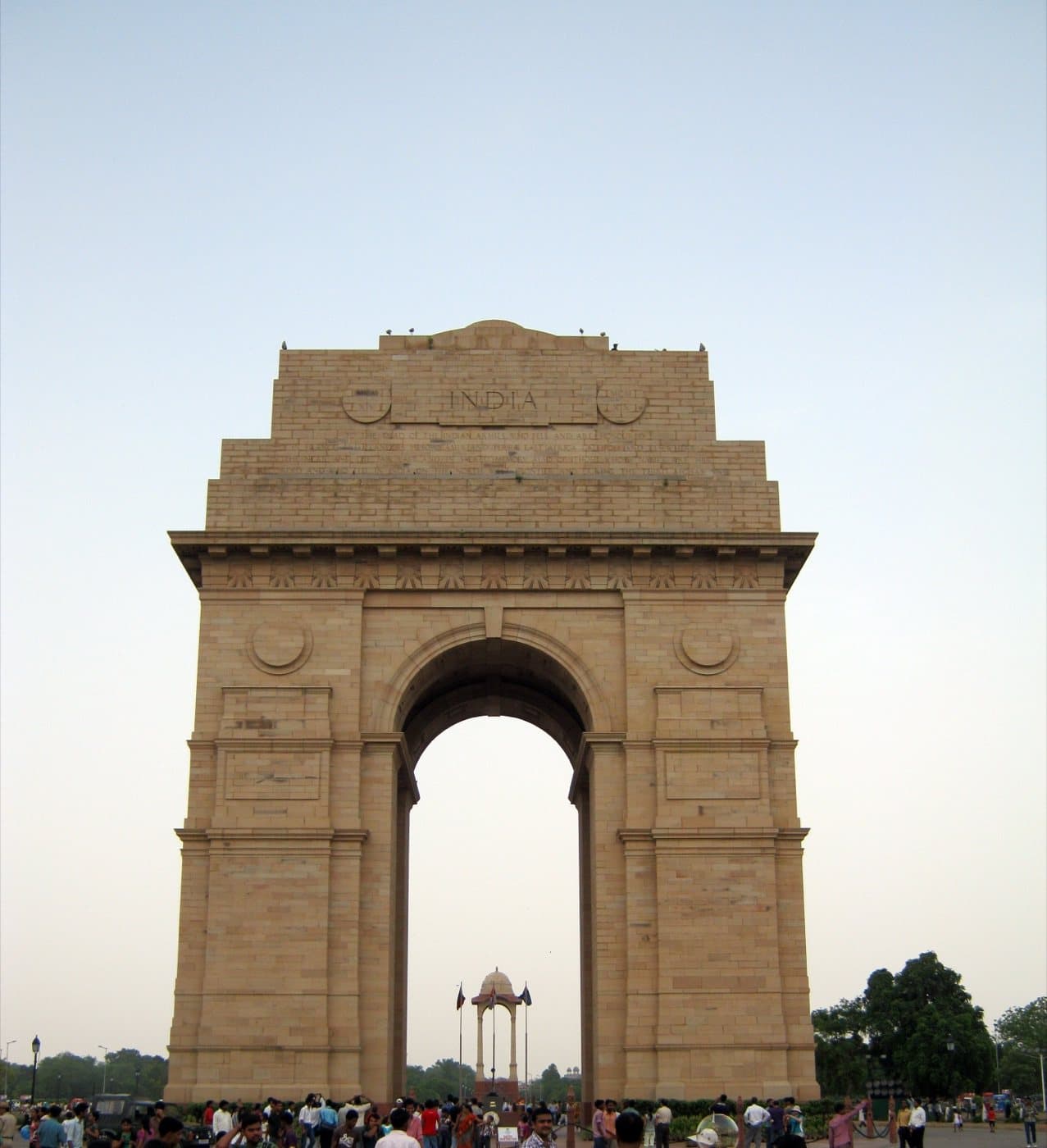
45–90 minutes suggested · Outdoor
Children’s Park beside India Gate provides a more play-focused stop than the ceremonial lawns. Check its own opening and access notes before adding a second stop.
45–75 minutes suggested · Outdoor
India Gate is an outdoor war memorial and a useful first landmark for understanding central Delhi. Check its own opening and access notes before adding a second stop.
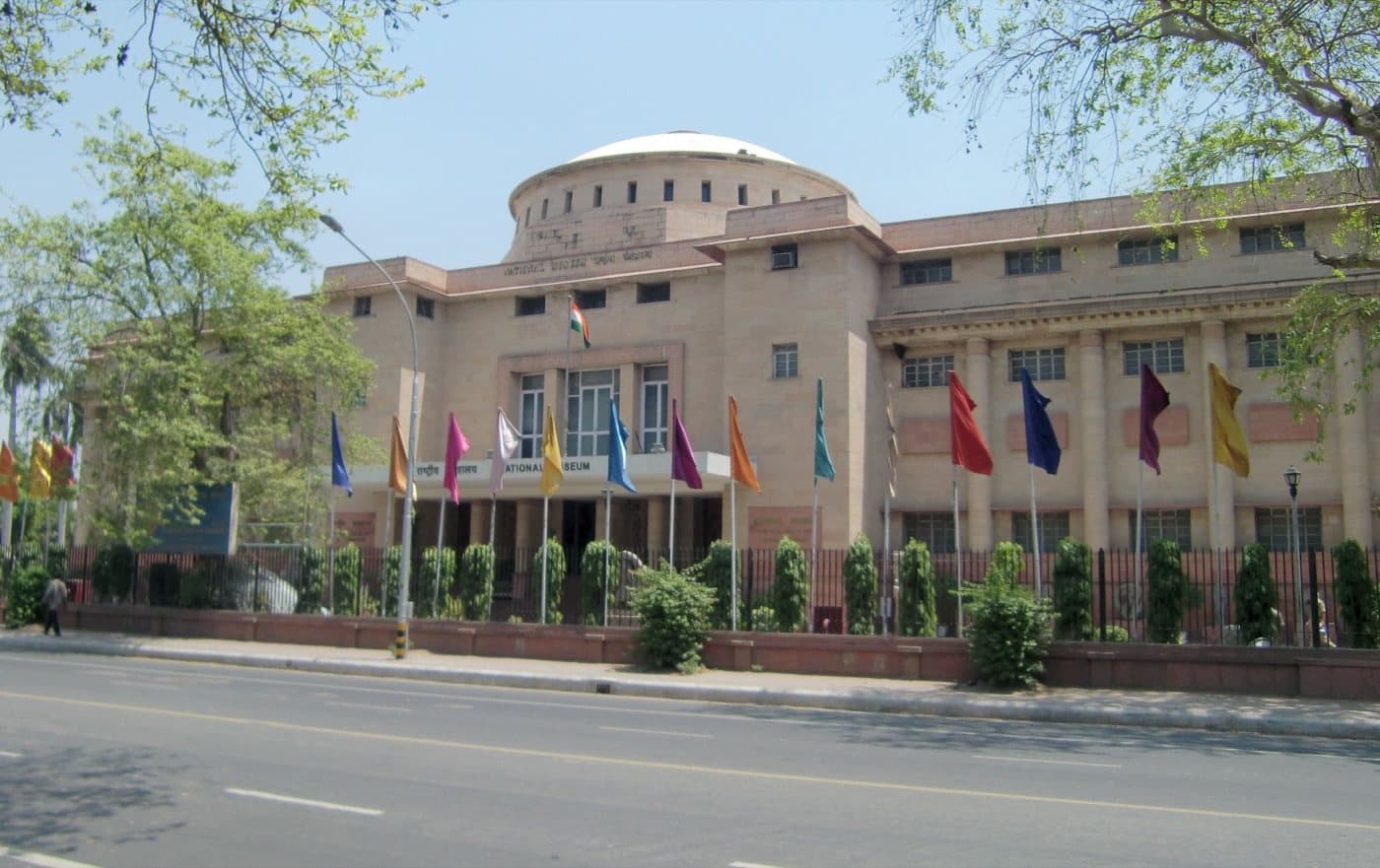
90 minutes–2.5 hours for selected galleries · Indoor
The National Museum on Janpath is best approached as a selective encounter with objects rather than a complete survey of Indian history. Check its own opening and access notes before adding a second stop.