Let one object set the pace
If a child is fascinated by a pot or figure, spend time with it. The museum’s scale need not become a completion target, and two attentive galleries can be enough for a first visit.
The National Museum on Janpath is best approached as a selective encounter with objects rather than a complete survey of Indian history.
Museum open; outstanding gallery renovation notices and conflicting older homepage weekend hours require attention.
1 photo · Miya.m · CC BY-SA 3.0 · Photos are representative and may not show current conditions. Credits →
Desk research, not a site visit. Re-check the official notice on the morning you travel.
The National Museum on Janpath is best approached as a selective encounter with objects rather than a complete survey of Indian history. Start with the Harappan gallery and one contrasting display, while checking the museum’s continuing notices about galleries under renovation.
Best from primary-school age; shorter object-focused route for younger children
Choose a small open-gallery route and bring the student ID that makes the published family price meaningful.
If a child is fascinated by a pot or figure, spend time with it. The museum’s scale need not become a completion target, and two attentive galleries can be enough for a first visit.
A child expecting armour or jewellery may be disappointed by renovation. Confirm the open route before promising a theme and select an available alternative together.
The museum identifies its ground-floor Harappan gallery as a starting point, with objects from ancient settlements across the subcontinent. Everyday objects help children imagine people living rather than simply memorising dates. Pick a vessel, ornament or small figure and ask what its shape suggests about use. The celebrated bronze Dancing Girl is documented in the collection, but individual display availability should be confirmed if it is the child’s main interest. A collection record is not a guarantee that an object remains in its usual case.
A useful museum rhythm is to let the child notice first, read one relevant label together, then compare with another object. Materials, size and decoration are accessible questions even without historical knowledge. Avoid a race to locate every famous exhibit. If a child becomes absorbed in one case, that is a reason to pause rather than hurry towards the next floor. Keep hands off cases and objects, and use a voice that allows other visitors to concentrate.
The National Museum’s own Harappan activity booklet directs children towards animal figurines and small toys, then towards seals. This is a particularly useful route because it makes an ancient civilisation about people’s activities rather than only its age. Look for the animal form, material and small details recorded on the label. Ask which features suggest something made to be handled and which details may have had another meaning; do not assume that every small figure was definitely a child’s toy.
At the seals, compare shapes and designs before discussing their uses. A family can make a simple pencil sketch later without copying the museum booklet’s entire exercise. The booklet is an older educational resource, so it is a guide to a collection theme rather than proof that every pictured object is on display today. If a case has changed, choose another labelled object in the same theme.
National Museum educational booklet: Life in Harappan Civilization
The government’s collection record identifies an 11th-century Chola bronze Siva Nataraja in the National Museum. Its raised leg, outstretched forms, drum, flame and surrounding ring offer a focused way to look at sculpture. If it is on view, first ask how the figure appears to move even though the material is still. Then read the interpretation together to understand the religious meaning of the gestures and attributes. Treat that meaning respectfully rather than reducing the sculpture to a pose-copying game beside the case.
This is a collection record, not a live display guarantee. Ask reception about current access if this specific work is the reason for the visit. The same looking method works with another labelled sculpture: identify the material, notice the balance and distinguish what you can see from what the museum explains. One sustained observation can be more rewarding than walking past a whole sculpture gallery without stopping.
Museums of India: National Museum Siva Nataraja collection record
The museum’s website retains an until-further-notice renovation announcement dated May 2023 for Arms and Armour, Textiles and Jewellery. The current visit page separately states that the museum is open. Do not interpret the gallery notice as closure of the entire institution, but do not promise those rooms without confirmation either. Ask reception for the day’s open route and choose a contrasting second gallery from what is actually accessible. Online special-exhibition archives are also not a current exhibition calendar.
National Museum current visitor page · National Museum notices and guide programme
The published Indian adult rate is ₹20 and the foreign-national rate is ₹500. Students up to Class 12 are listed as free with identity cards. Two eligible Indian adults with a school student carrying the required ID would therefore pay ₹40 for ordinary admission; two foreign adults would pay ₹1,000 before checking any child eligibility. Carry proof rather than relying on an assumed appearance-based age exemption. An online confirmation may still need to be exchanged at the museum counter according to its booking instructions.
National Museum current visitor page · National Museum booking conditions
The museum offers volunteer-guide visits, but confirm the actual departure and language rather than treating an old event poster as a daily activity. An adult-oriented hour may not suit a preschooler’s pace. Ordinary still photography is permitted without flash, while filming requires permission. Give the child one or two objects to remember rather than viewing everything through a screen. If drawing is important, ask what materials and positions are allowed before opening a sketchbook in a busy gallery.
National Museum visitor FAQ · National Museum notices and guide programme
The official FAQ describes wheelchair-friendly entrances, elevators and reception wheelchairs, as well as a free cloakroom. Contact the museum about the specific route and assistance needed. It also identifies a canteen and café, with canteen hours shorter than weekend gallery hours. An 8pm gallery closure therefore does not promise a late meal. Plan food around the actual outlet window and keep the museum visit separate from an assumed all-evening dining stop.
Use the Janpath museum entrance rather than a future museum-development location mentioned in news. The official FAQ says visitor parking is outside the premises. Allow time for security and storage before the first gallery, and check current metro exits or vehicle drop-off conditions for the final approach. End by asking the child to choose the object they would tell someone about. A short, memorable route gives a better basis for a return than pressing through all floors after attention has faded.
National Museum current visitor page · National Museum visitor FAQ
Prices, access and programmes can change. Confirm with the operator before setting out.
National Museum, Janpath, New Delhi 110011
Search-based Google map. Confirm the public entrance before travelling; this is not a surveyed entrance pin.
Yes, its current visitor page says it is open; some galleries carry renovation notices.
Arms and Armour, Textiles and Jewellery are named in the retained May 2023 notice; confirm the day’s route.
₹20 on the current official visitor page.
Students through Class 12 are listed as free with ID cards.
No. The current visitor page gives 8pm only on Saturday and Sunday, and 6pm Tuesday–Friday.
The FAQ prohibits filming without permission; flash-free still photography is permitted.
Reception wheelchairs and accessible entrances/elevators are listed; confirm the needed arrangement.
It is documented in the collection, but confirm current display if it is essential to the visit.
The FAQ says visitor parking is outside the museum premises.
Your first-hand tip helps the next family: the best time to go, where the toilets are, what to skip. An editor reads every tip before it appears.
Desk-checked against linked primary sources on 2026-11-01; not a site visit. Ages, durations and suggested activities are editorial advice. Confirm date-specific access, prices and facilities before travel. Last checked 1 November 2026.
Tell us what has changed: new hours, a price, a closed gallery, a changing table that exists or doesn’t. We check against a source before publishing.
Run National Museum, New Delhi? Claim this listing to take enquiries and send us updates. It’s free.
Consider one of these if there is time and energy left. They are alternatives; the route link lets you check the journey before adding a stop.
90 minutes suggested for currently open Phase I · Indoor
Rashtrapati Bhavan Museum currently requires a Phase I-focused plan: its official booking page says Phase II has been closed since 6 October 2025 until further notice. Check its own opening and access notes before adding a second stop.
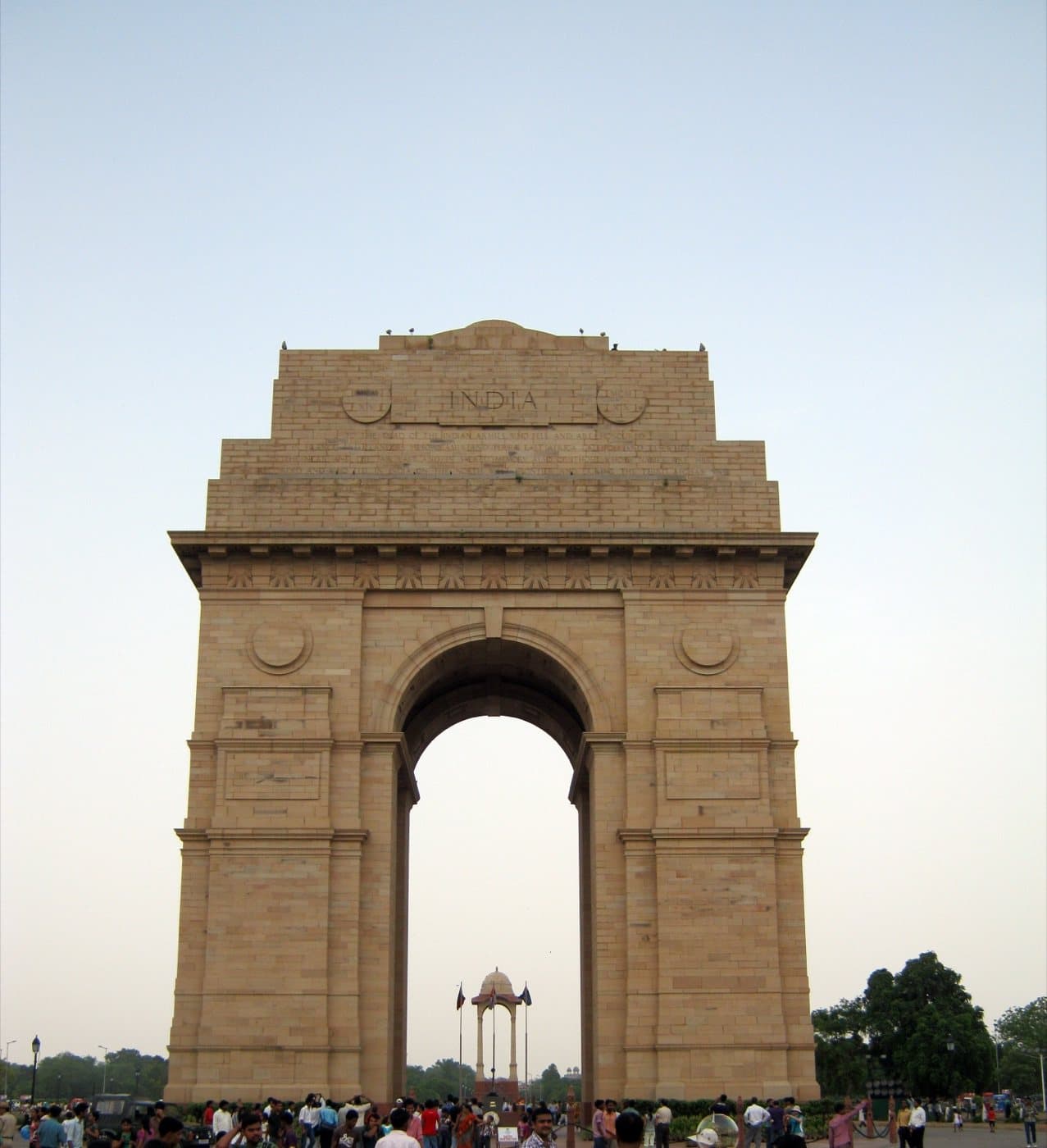
45–90 minutes suggested · Outdoor
Children’s Park beside India Gate provides a more play-focused stop than the ceremonial lawns. Check its own opening and access notes before adding a second stop.
45–75 minutes suggested · Outdoor
India Gate is an outdoor war memorial and a useful first landmark for understanding central Delhi. Check its own opening and access notes before adding a second stop.