Start with clothing and posture
A child can describe a pose or an object without knowing the ruler’s name. Build from that observation to the label rather than beginning with a long chronology.
Husainabad Picture Gallery is a compact portrait-focused stop in a historic Baradari, useful for children who enjoy faces, clothes and stories about rulers.
Trust collection history and admission table checked; upper-level access, current room schedule and photography rules require confirmation.
1 photo · Ankitkumarsaxena · CC BY-SA 3.0 · Photos are representative and may not show current conditions. Credits →
Desk research, not a site visit. Re-check the official notice on the morning you travel.
Husainabad Picture Gallery is a compact portrait-focused stop in a historic Baradari, useful for children who enjoy faces, clothes and stories about rulers. Its paintings offer a different experience from the surrounding monumental exteriors. Choose a few portraits to compare rather than expecting hands-on exhibits or a large modern art museum.
A few selected portraits are enough for younger visitors. Confirm stairs and reachable galleries if step-free access is essential.
Let visible details lead the conversation, while treating the historic building’s access and the collection’s rules as part of the plan.
A child can describe a pose or an object without knowing the ruler’s name. Build from that observation to the label rather than beginning with a long chronology.
A portrait can represent someone from an earlier generation. Older children can compare the subject’s life with the painting’s date and discuss what that means for historical evidence.
The gallery’s historic upper-level setting matters for visitors avoiding stairs. Ask which rooms are reachable and keep a short exterior alternative if the available access is unsuitable.
Ask children to notice clothing, posture and objects in one painting before reading a label. Which details suggest authority, wealth or ceremony? A portrait is a constructed representation, not a neutral photograph. This approach lets a child begin with visible evidence and then connect it to the named ruler, instead of trying to memorise a sequence of unfamiliar names.
Choose one obvious difference between two works: stance, costume, setting or the direction of the face. Let children describe it in their own words. There is no need to promise an optical illusion such as eyes that follow every visitor; that depends on the painting and viewpoint. The most useful observation is the one the child can actually see in the displayed work.
The Trust describes a larger two-storey building associated with Muhammad Ali Shah, with a tank in front and later civic uses. The portrait gallery occupies part of that ensemble. A historical bowling-alley reference belongs to the building’s earlier use; it is not a modern bowling activity available to families. Looking at the structure helps explain how one place can acquire different purposes over time.
The Trust dates the full-length portrait commission to 1882–85. That is a useful reminder that an image of an earlier ruler may have been painted later. Ask older children what evidence an artist might have used. This guide does not imply that every portrait was painted from life or that every named work is currently on display; follow the labels and accessible collection on the day.
The displayed standalone Indian rates are ₹20 adult and ₹10 child, giving ₹60 for two adults and two chargeable children. Foreign rates are ₹200/₹100. Check whether an existing heritage combination covers entry and whether its validity still applies. Above 12 is an adult in the Trust’s table; the lower child threshold is not stated. Photography and guide arrangements need separate confirmation.
The historic building’s upper-level gallery arrangement makes access a material question for wheelchairs, strollers and anyone avoiding stairs. Ask which rooms can currently be reached and whether assistance is available. Do not infer a lift from the existence of a ticket counter. Keep a shorter exterior Clock Tower alternative if the available route does not suit the family.
Husainabad Trust: picture gallery · Husainabad Trust: clock tower
A short outdoor tower view followed by a few portraits creates a manageable contrast. Start the gallery while children still have attention for looking, and leave after the chosen comparisons rather than extending the visit to fill time. Quiet observation, no touching and current photography rules protect both the works and other visitors’ experience.
Husainabad Trust: picture gallery · Husainabad Trust: clock tower
Prices, access and programmes can change. Confirm with the operator before setting out.
Husainabad Picture Gallery, Husainabad Baradari near Clock Tower, Lucknow, Uttar Pradesh
Search-based Google map. Confirm the public entrance before travelling; this is not a surveyed entrance pin.
Primarily a portrait-focused historic collection within the Baradari. Use the currently accessible paintings for comparisons of clothes, posture and setting.
No. They are nearby but separate: the tower is an exterior landmark and the gallery is a paid indoor experience.
The displayed total is ₹60 for two adults and two chargeable children. Confirm child categories and any existing combination entitlement.
Yes, the Trust lists it in the Bara–Chhota–Picture Gallery–Satkhanda combination. Check validity before buying a separate ticket.
Do not assume that. The Trust dates the gallery’s full-length portrait commission to 1882–85, later than some subjects’ lives.
No operating bowling attraction was verified. The bowling-alley reference describes a former use of the building.
That was not verified. Ask about the current upper-level route, stairs and reachable rooms before travel if mobility is essential.
About 30–60 minutes, selecting a few portraits, is a practical allowance. A short attentive visit is preferable to forcing every label.
Confirm the current room-specific rules and avoid flash or recording unless permitted. A general ticket does not establish photography permission.
Your first-hand tip helps the next family: the best time to go, where the toilets are, what to skip. An editor reads every tip before it appears.
Desk-checked against linked primary sources on 2026-11-01; not a site visit. Ages, durations and suggested activities are editorial advice. Confirm date-specific access, prices and facilities before travel. Last checked 1 November 2026.
Tell us what has changed: new hours, a price, a closed gallery, a changing table that exists or doesn’t. We check against a source before publishing.
Run Husainabad Picture Gallery? Claim this listing to take enquiries and send us updates. It’s free.
Consider one of these if there is time and energy left. They are alternatives; the route link lets you check the journey before adding a stop.
45–75 minutes · Indoor & outdoor
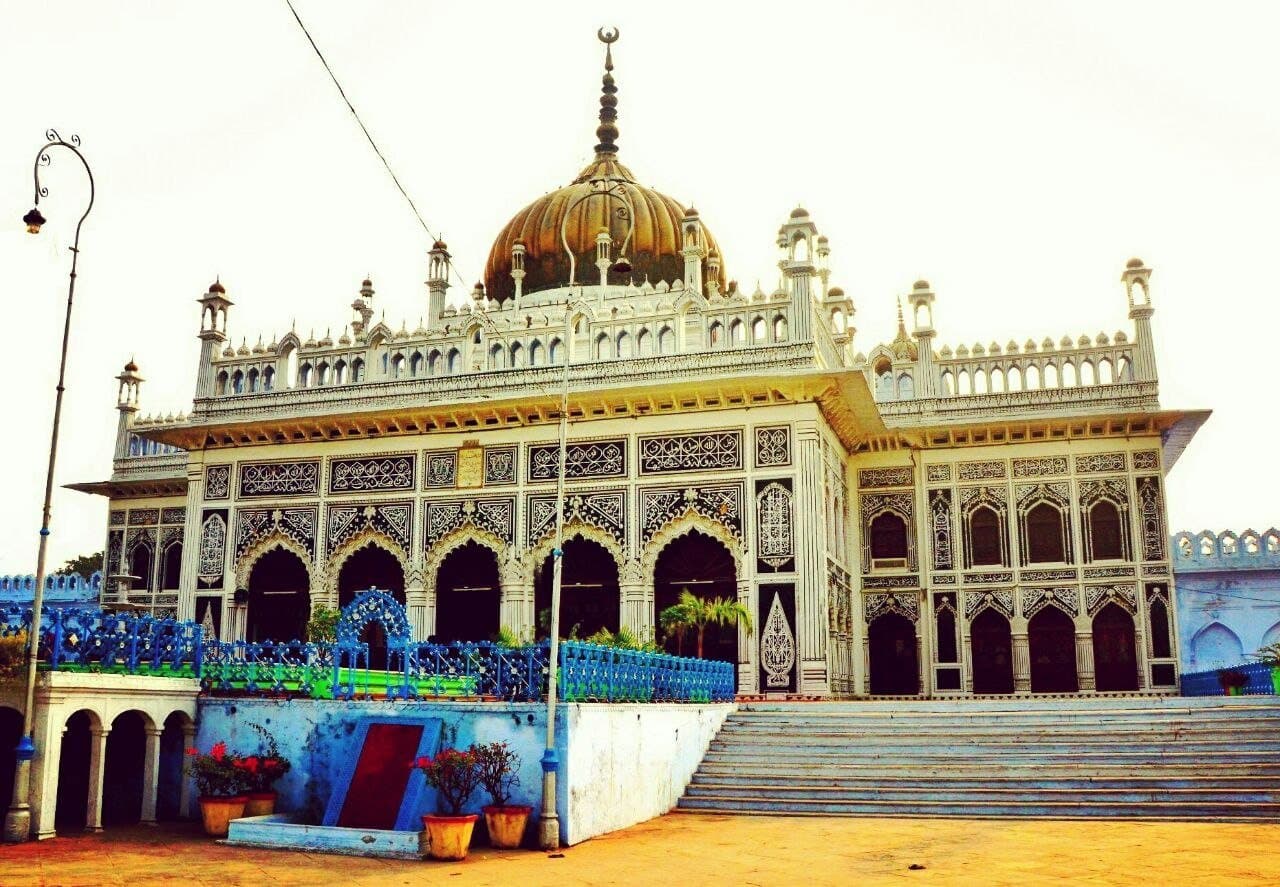
Chhota Imambara rewards a slower look at ornament, symmetry and religious objects after the larger Bara complex. Check its own opening and access notes before adding a second stop.
20–40 minutes as an exterior stop · Outdoor
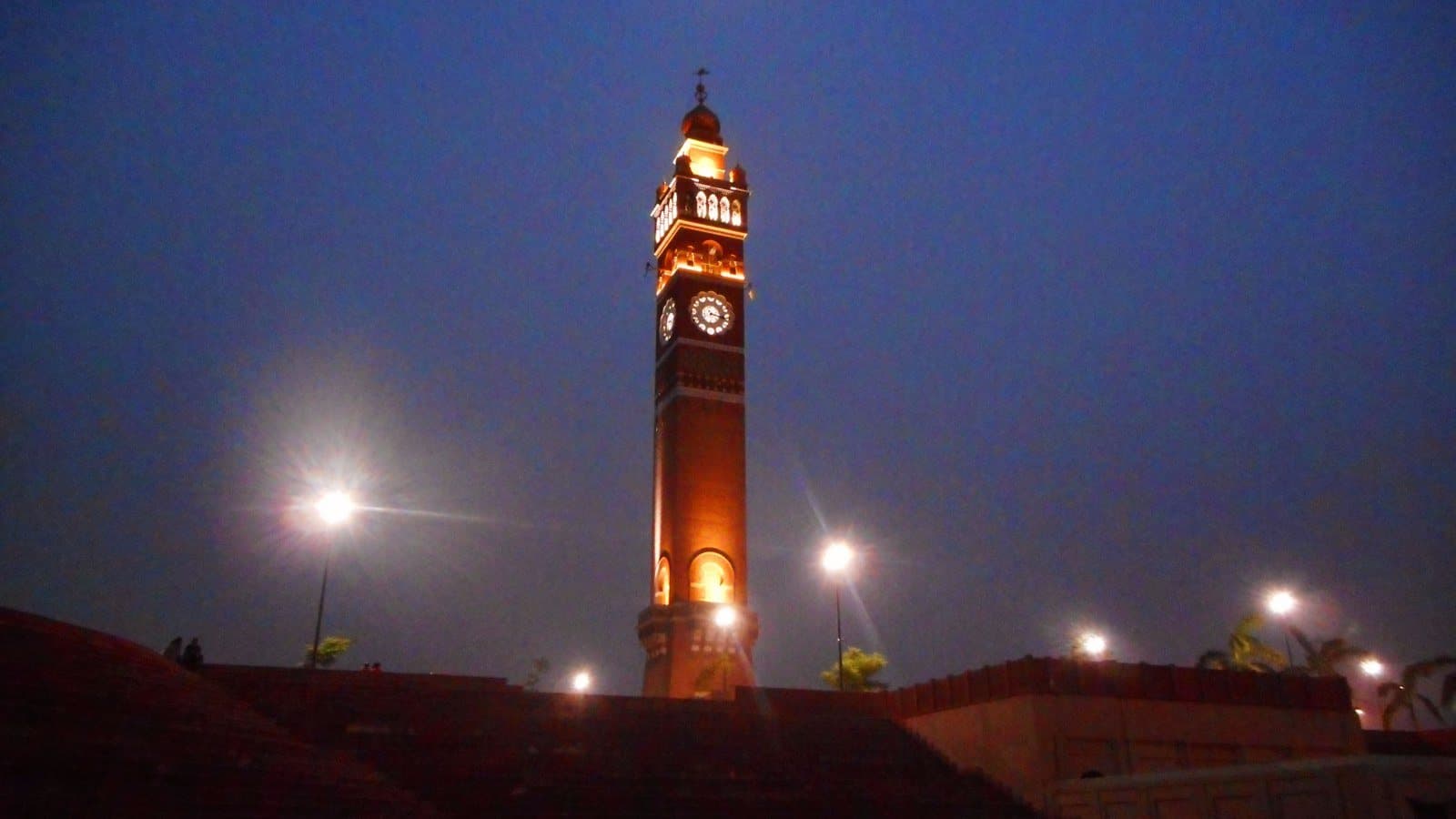
Husainabad Clock Tower adds a different architectural chapter to Lucknow’s old-city walk. Check its own opening and access notes before adding a second stop.
2–3 hours for the hall, guided maze and permitted Baoli route · Indoor & outdoor
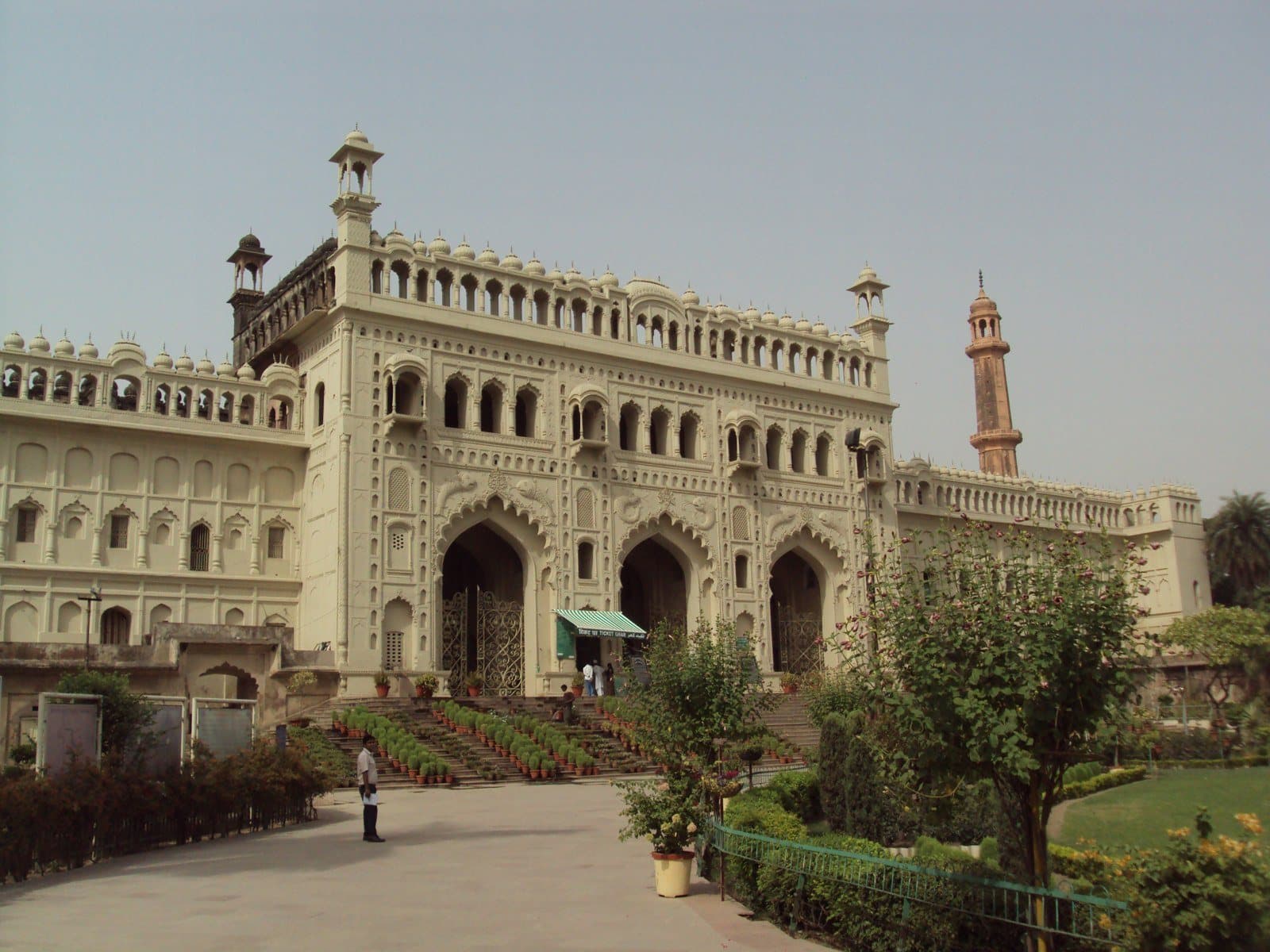
Bara Imambara gives children three very different ways to explore Lucknow: a vast vaulted hall, the confusing passages of Bhool Bhulaiya and a historic stepwell. Check its own opening and access notes before adding a second stop.