Give children a matching-shapes task
Look at the paired structures and compare their outlines from the courtyard. A specific observation helps children engage without turning a sacred site into a noisy game.
Chhota Imambara rewards a slower look at ornament, symmetry and religious objects after the larger Bara complex.
Trust architectural description and standalone/combined admission checked; current religious-event access and lower child threshold require confirmation.
1 photo · Arpan Mahajan · CC BY-SA 4.0 · Photos are representative and may not show current conditions. Credits →
Desk research, not a site visit. Re-check the official notice on the morning you travel.
Chhota Imambara rewards a slower look at ornament, symmetry and religious objects after the larger Bara complex. Children can compare the gateways, water basin and paired structures before entering the hall. This is a smaller sacred ensemble, not another maze; its decorative detail is the reason to come.
The basin and steps need close supervision. Keep the visit focused on a few visible details rather than expecting children to interpret every religious object.
A few carefully chosen observations work better here than asking children to remember a long list of rulers and dates.
Look at the paired structures and compare their outlines from the courtyard. A specific observation helps children engage without turning a sacred site into a noisy game.
The water feature is part of the architectural arrangement. Keep younger children beside an adult, watch wet surfaces and use the view for looking rather than play.
Religious displays carry meanings that may be unfamiliar to the family. Ask a knowledgeable person about one object and follow the current rules for access and photography.
Stand where the family can see the arrangement together and look for matching forms. The Trust describes a mausoleum balanced by a corresponding structure, with a basin and bridge in the composition. Ask children what seems symmetrical and what differs. This is a concrete way to introduce architectural balance without a lecture, and it gives the outdoor portion a purpose before going inside.
The complex has ceremonial gateways and a former Naubat Khana associated with time-marking drums. That history can prompt a useful question: how did a city announce time before everyone carried a phone? The historic function does not mean a live drumming performance is scheduled. Keep the entrance clear while observing, and continue into the permitted visitor area when others need to pass.
The hall contains objects connected with Shia religious remembrance. Ask staff or a knowledgeable guide about a few objects rather than guessing from appearance. Explain to children that decoration can have ceremonial meaning as well as visual beauty. Follow the current rules for shoes, photography and access; a ticket is not permission to touch displays or interrupt worship.
Look at the reflections and how the basin sits between the structures. Children can compare an outline in the water with the building itself when conditions allow. Keep small children close to the edge and on the permitted route, especially when surfaces are wet. There is no boating or water-play experience promised by this guide, and a historic basin should not be treated as one.
The Trust displays ₹20 Indian adult and ₹10 child, or ₹200/₹100 for foreign visitors. Two Indian adults and two paid children would total ₹60. If you already hold the listed Bara–Chhota–Picture Gallery–Satkhanda combination, check its validity before buying another ticket. The child category’s lower age threshold is not published; above 12 is adult. Guide services and transport are separate decisions.
After Bara’s passages, choose a calmer courtyard-and-hall route here rather than another long explanation. Allow about an hour and leave time for a seated break outside the sacred spaces. The Trust gives daytime visiting hours; decorative lighting associated with special occasions is not a guarantee of a nightly tourist show. Confirm access during religious observances, particularly if the interior is essential.
Husainabad Trust: displayed admission table and visitor FAQ · Husainabad Trust: chhota imambara
Prices, access and programmes can change. Confirm with the operator before setting out.
Chhota Imambara, Husainabad, Lucknow, Uttar Pradesh
Search-based Google map. Confirm the public entrance before travelling; this is not a surveyed entrance pin.
No. The labyrinth is part of Bara Imambara. Chhota is a separate architectural and religious complex with a different kind of visit.
₹20 Indian adult/₹10 child or ₹200 foreign adult/₹100 child. Confirm the actual category and counter total.
The Trust’s listed combination includes Chhota, Bara, Picture Gallery and Satkhanda. Check the pass conditions and validity before using it.
Around 45–75 minutes is a practical editorial allowance for courtyard details and the permitted hall, followed by a break.
No. Observe the water and reflections from the permitted route; it is part of a sacred historic setting.
The Trust describes a mausoleum and a corresponding balancing structure. Similar appearance does not establish identical use.
No current performance programme was verified. The name and description refer to its historic function.
A dependable nightly programme was not verified. Plan daytime admission and confirm any special-event opening separately.
Do not assume that. Ask staff about the current interior rules and avoid photographing worshippers without permission.
Your first-hand tip helps the next family: the best time to go, where the toilets are, what to skip. An editor reads every tip before it appears.
Desk-checked against linked primary sources on 2026-11-01; not a site visit. Ages, durations and suggested activities are editorial advice. Confirm date-specific access, prices and facilities before travel. Last checked 1 November 2026.
Tell us what has changed: new hours, a price, a closed gallery, a changing table that exists or doesn’t. We check against a source before publishing.
Run Chota Imambara? Claim this listing to take enquiries and send us updates. It’s free.
Consider one of these if there is time and energy left. They are alternatives; the route link lets you check the journey before adding a stop.
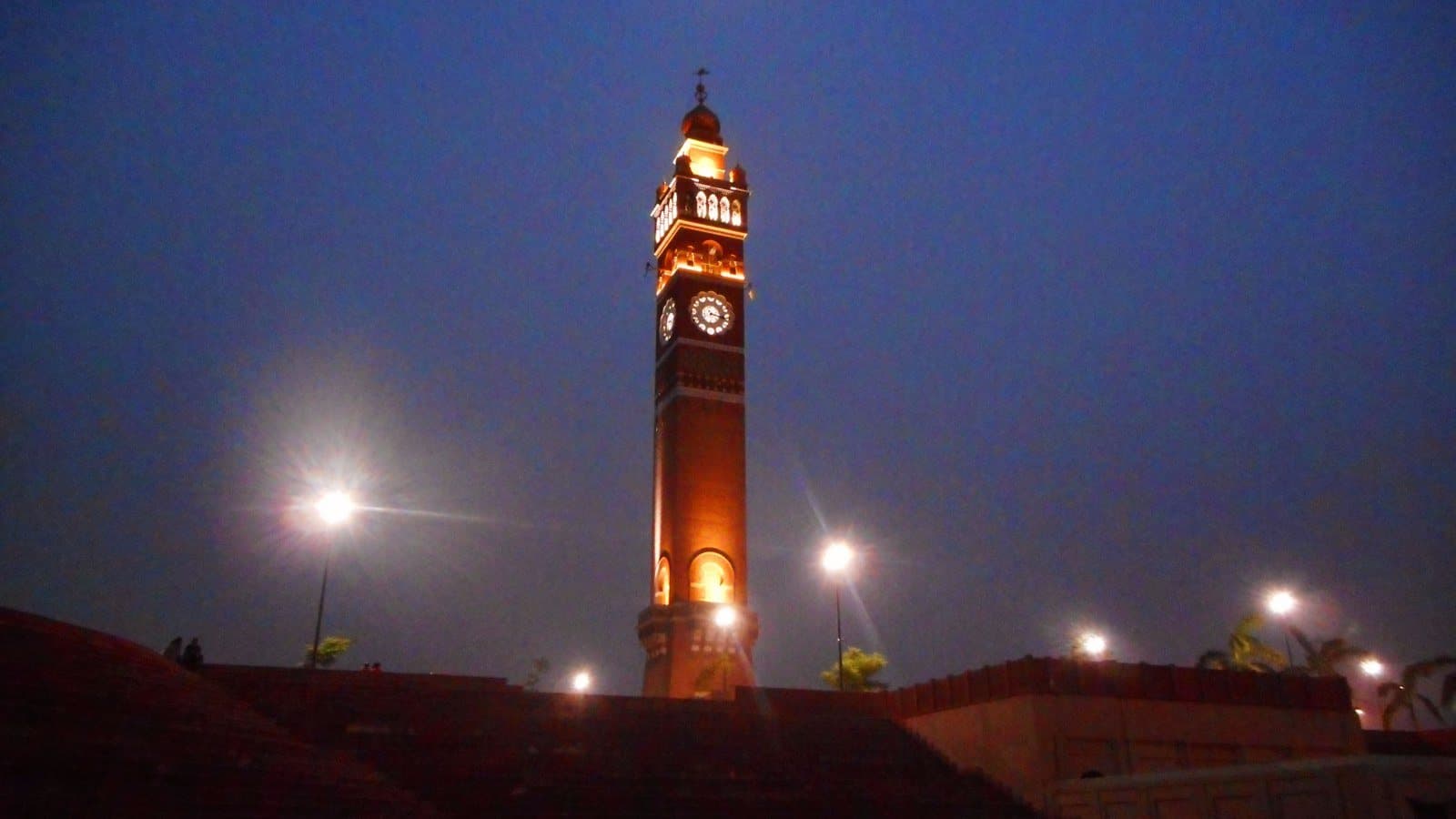
20–40 minutes as an exterior stop · Outdoor
Husainabad Clock Tower adds a different architectural chapter to Lucknow’s old-city walk. Check its own opening and access notes before adding a second stop.
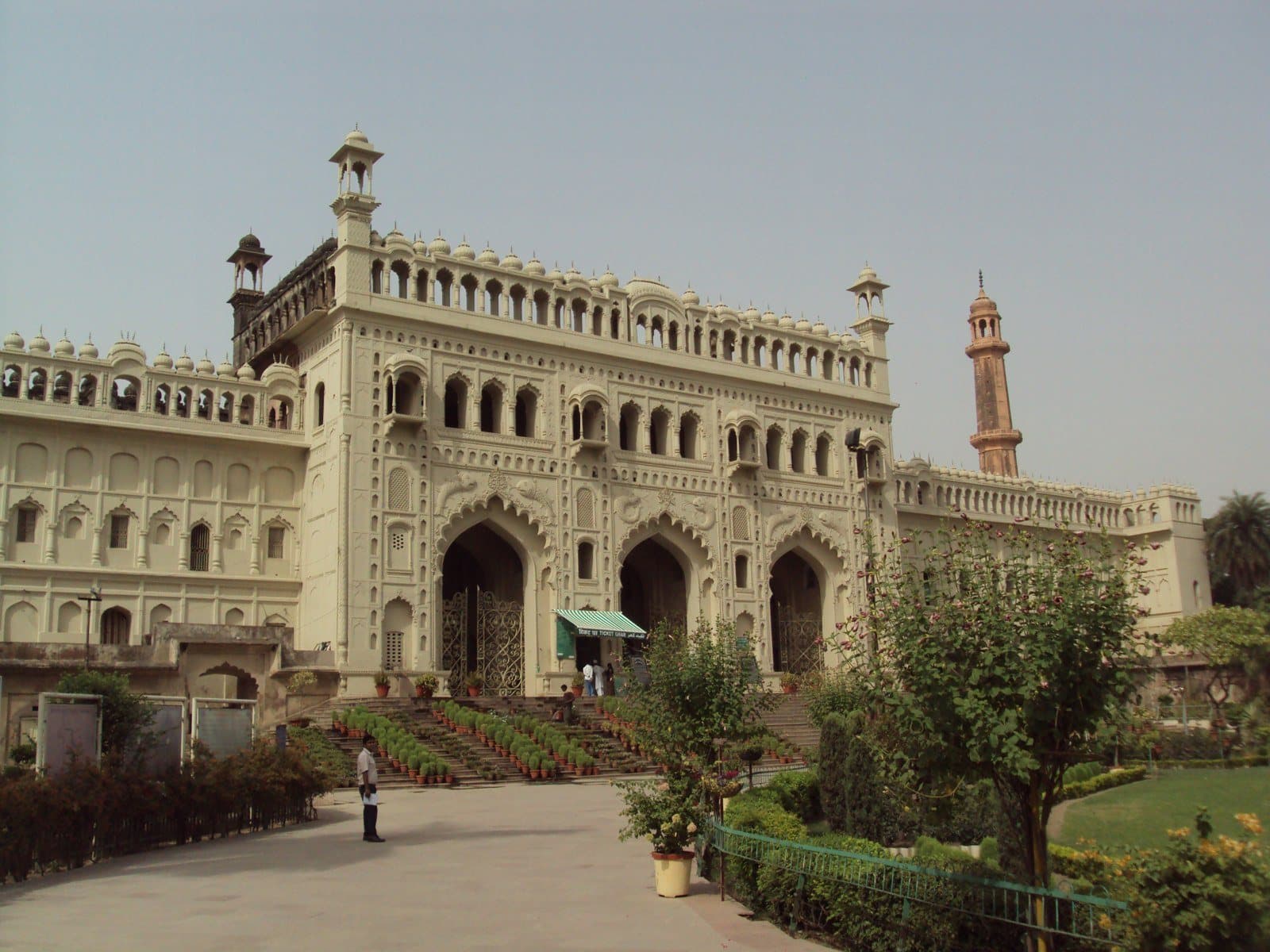
2–3 hours for the hall, guided maze and permitted Baoli route · Indoor & outdoor
Bara Imambara gives children three very different ways to explore Lucknow: a vast vaulted hall, the confusing passages of Bhool Bhulaiya and a historic stepwell. Check its own opening and access notes before adding a second stop.
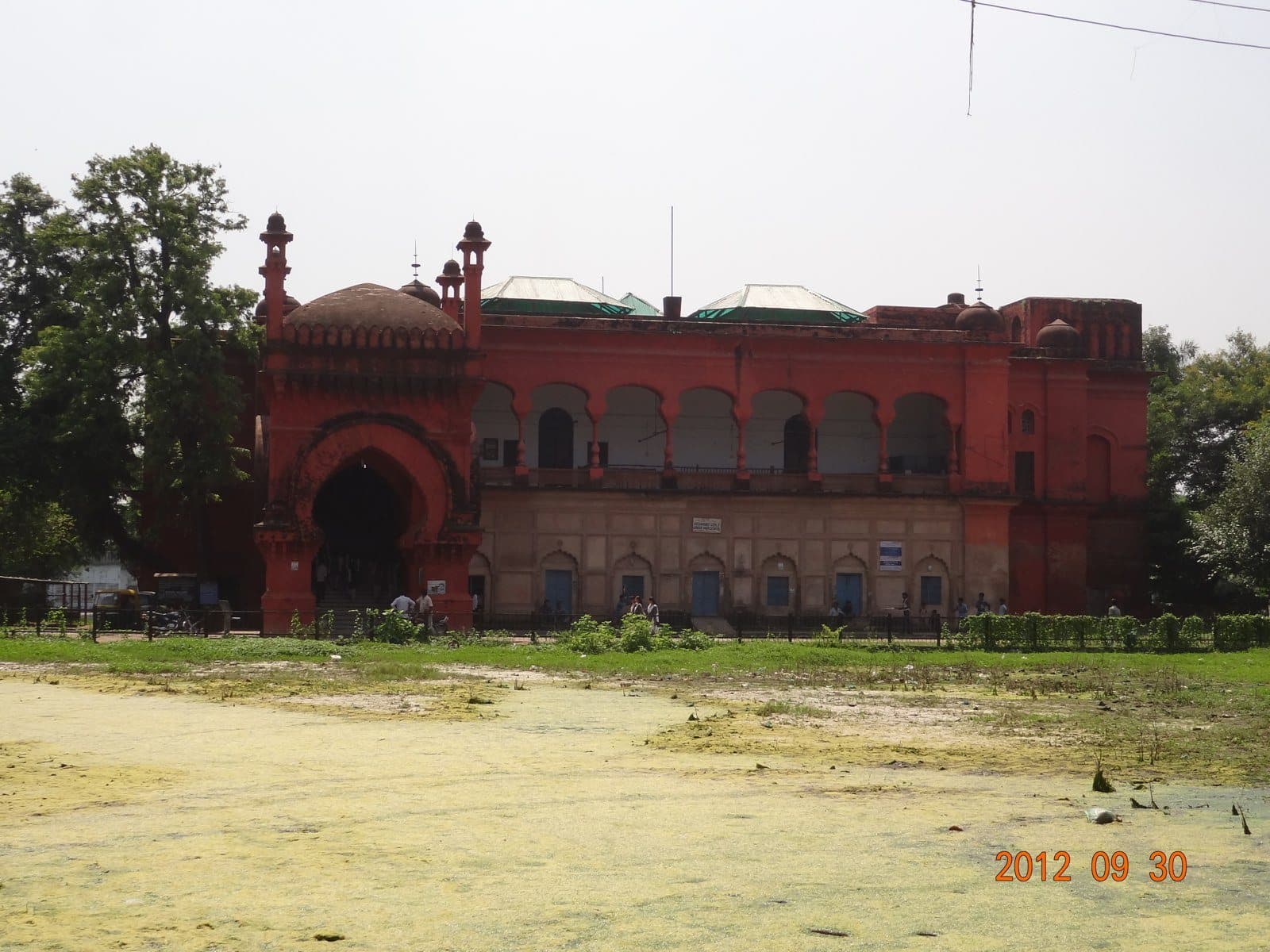
30–60 minutes for selected portraits and the building · Indoor & outdoor
Husainabad Picture Gallery is a compact portrait-focused stop in a historic Baradari, useful for children who enjoy faces, clothes and stories about rulers. Check its own opening and access notes before adding a second stop.