Give each child a material to recognise
One can look for ceramic surfaces and another for repeated bangle shapes. A simple observation game keeps attention on the artwork without turning the visit into a race.
Nek Chand’s Rock Garden turns broken crockery, glass bangles and discarded building materials into an inhabited-looking world of figures, courts and passages.
Operating attraction with current official tariff; individual rides, water features and accessible routes require an on-site check.
1 photo · Ijon · CC BY-SA 4.0 · Photos are representative and may not show current conditions. Credits →
Desk research, not a site visit. Re-check the official notice on the morning you travel.
Nek Chand’s Rock Garden turns broken crockery, glass bangles and discarded building materials into an inhabited-looking world of figures, courts and passages. Children can enjoy it before they know anything about art: first recognise an animal or person, then work out what its surface used to be. Allow time for the changing spaces rather than treating it as one photograph. It is a substantial outdoor walking visit with steps and uneven surfaces, not an unrestricted climbing playground.
Best from about 4+ for recognising recycled materials; toddlers need close help on the walking route.
Make the sculptures the main activity and decide about rides only after seeing how the walking goes.
One can look for ceramic surfaces and another for repeated bangle shapes. A simple observation game keeps attention on the artwork without turning the visit into a race.
A stroller-friendly entrance does not prove a complete accessible circuit. Establish the return route before narrow passages or steps make changing plans difficult.
The modest entry price can create an expectation that everything is included. Agree on one optional extra, if available, before children become attached to several activities.
Begin with a small group of human or animal forms and let children say what they notice before reading an explanation. A shining patch may be broken glass or bangle fragments; a repeated curved surface may come from discarded ceramics. The interesting question is how an ordinary object becomes part of a new character. This makes the visit accessible to children who are not ready for an art-history lesson and gives older visitors a concrete way to discuss reuse.
The official description divides the garden into phases with different spatial experiences: figure-filled areas, village-like settings and larger architectural courts. Notice how a narrow passage changes what can be seen, then how a more open space changes the scale. Let one child choose a favourite scene and another choose an interesting material. Staying with a few discoveries is often more rewarding than trying to photograph every sculpture.
The route also changes how a family stays together. In a narrow passage, keep a young child beside an adult rather than letting them rush ahead to the next opening. In a large court, choose a visible meeting point before separating briefly for photographs. These small decisions allow more freedom to look without losing track of the exit or other family members. If an area is crowded, move through it and return to slower observation where there is room.
Waterfalls form part of the designed landscape described by tourism authorities. When operating, their sound and movement provide a different experience from the static figures. View from the authorised route and keep children away from wet edges or barriers. If a water feature is off for maintenance, the sculpture and architecture remain the core visit; the waterfall should not be the sole reason for travelling.
The tourism page lists a dolls museum, swings, mirrors and several amusement offerings. These are not a verified promise that every activity is running on your date or included in general entry. Explain this before children see an advertised ride. Ask about the available session, age or height rule and extra charge at that particular activity, then select one if the family still has energy after the sculpture route.
Nek Chand began assembling the environment in 1957, using materials that others discarded. Rather than suggesting children should imitate the garden by collecting sharp fragments, ask what clean, safe packaging at home could become a model animal or house. The visit can lead to a small construction project later. Here, the figures themselves remain artworks to look at; leaning on them or testing their strength is not part of the experience.
For a school-age child, compare repetition and variation: several figures may share a basic shape while their surfaces give them different identities. Ask which detail makes one figure seem lively or which material looks most surprising. There is no correct answer to memorise. A child who enjoys drawing might sketch one outline and label the materials they can recognise, then compare it with a photograph later. This keeps the activity grounded in what is actually visible rather than a list of promised displays.
Chandigarh Tourism: Rock Garden visitor information · Chandigarh Tourism October 2024 newsletter: Rock Garden
The official dashboard updated 24 October 2026 lists ₹30 for adults and ₹10 for children 12 or under. Two adults plus two children charged at the child rate total ₹80. Because the adult wording also says 12+, confirm the boundary for a child exactly 12 rather than resolving that inconsistency yourself. Food, transport, souvenirs and any separately charged activities are outside this example. General admission should not be described as an all-inclusive amusement package.
Chandigarh Tourism ticket dashboard, updated 24 October 2026
The seasonal visitor page gives 9 am–6 pm in October–March and 9 am–7:30 pm in April–September. Arrive well before closing rather than assuming a last-minute ticket permits an unhurried circuit. An earlier start leaves more comfortable walking time in hot weather. If Sukhna Lake is next, decide after the garden whether a short lake view is enough; two adjacent major attractions can still be too much walking for a tired child.
The garden’s uneven paths, passages and changes of level make a blanket step-free promise inappropriate. Ask at entry which route is workable for a wheelchair or stroller, including the return and exit, rather than only the first court. Comfortable footwear matters more than a complicated activity kit. The official newsletter identifies restrooms and a food court; establish their locations before moving deep into the garden and carry water for the walking stretches.
Prices, access and programmes can change. Confirm with the operator before setting out.
Rock Garden, Uttar Marg, Sector 1, Chandigarh
Search-based Google map. Confirm the public entrance before travelling; this is not a surveyed entrance pin.
Choose one figure and identify the discarded materials used on its surface. Recognising ceramics, glass and bangles gives children an immediate way into the art.
At the October 2026 official rates, two ₹30 adult tickets plus two ₹10 child tickets total ₹80. Confirm the child-age boundary, especially at exactly 12.
No all-inclusive entitlement was verified. The tourism page lists several activities, but operating sessions, eligibility and any extra charges must be checked separately.
The seasonal visitor page lists 6 pm closing in October–March. Its 7:30 pm closing applies to April–September; older brochures show a different summer time.
Treat the figures as artworks and stay on the permitted visitor route. A raised or animal-shaped object is not an invitation to climb.
They are a recognised feature, but daily operation was not verified. Keep the recycled-art route as the main purpose of the visit.
A fully step-free circuit was not established. Ask about steps, narrow passages and the exit route at entry before committing to the full walk.
Yes. Discuss how ordinary materials change shape and purpose, then use clean, safe materials at home. Do not collect sharp fragments or take material from displays.
Only if children still have energy. A short lake view or meal can be a better second stop than another long route after the garden.
Your first-hand tip helps the next family: the best time to go, where the toilets are, what to skip. An editor reads every tip before it appears.
Desk-checked against linked primary sources on 2026-11-01; not a site visit. Ages, durations and suggested activities are editorial advice. Confirm date-specific access, prices and facilities before travel. Last checked 1 November 2026.
Tell us what has changed: new hours, a price, a closed gallery, a changing table that exists or doesn’t. We check against a source before publishing.
Run Nek Chand's Rock Garden? Claim this listing to take enquiries and send us updates. It’s free.
Consider one of these if there is time and energy left. They are alternatives; the route link lets you check the journey before adding a stop.
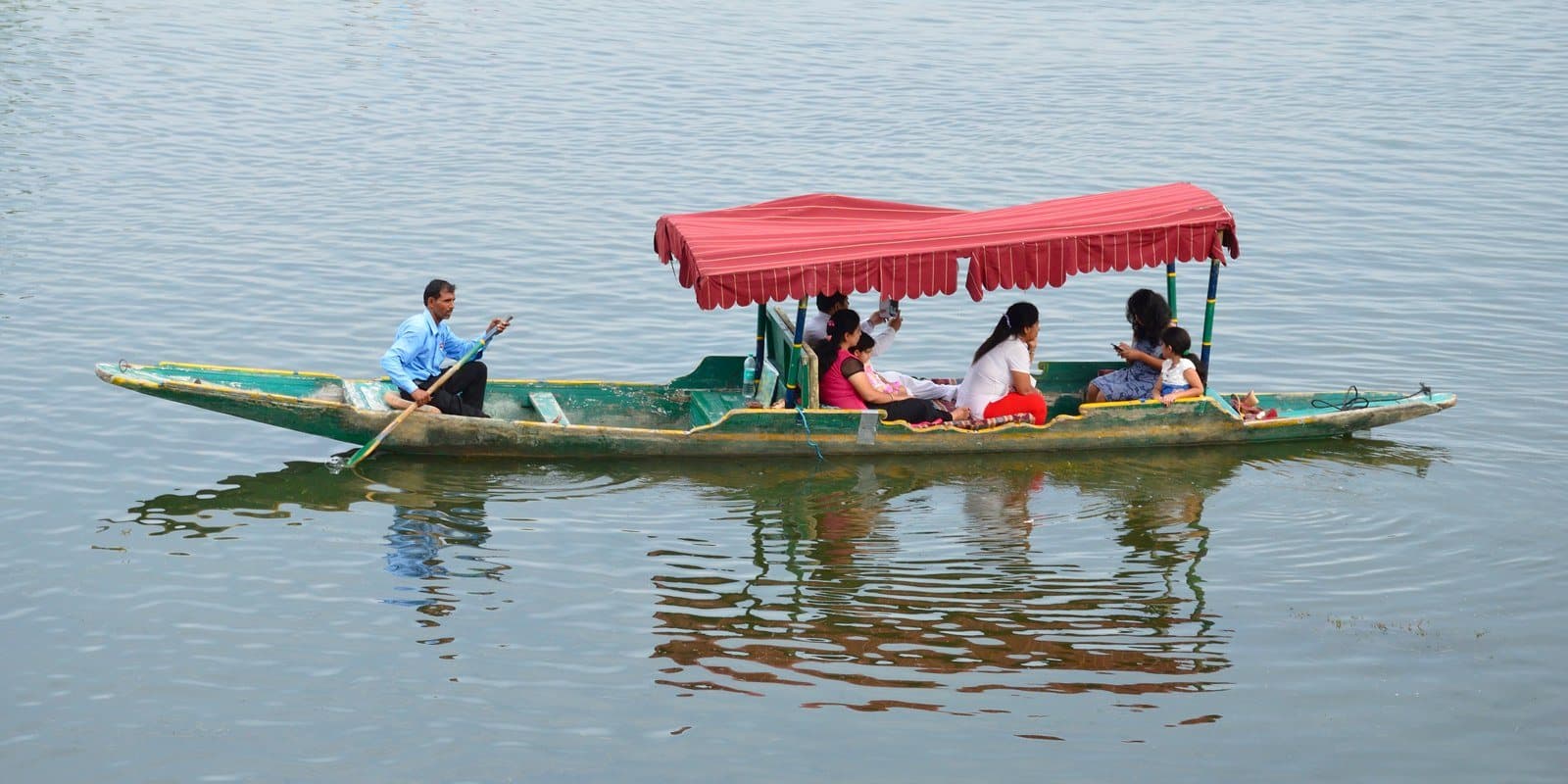
Allow 45–75 minutes for a selective family walk · Outdoor
Bougainvillea Garden in Sector 3 combines trained flowering shrubs, a walking route and the Chandigarh War Memorial. Check its own opening and access notes before adding a second stop.
30–60 minutes on a selected public route · Outdoor
Rajendra Park is a large northern Chandigarh landscape near the Secretariat, suited to an uncomplicated tree-and-path walk rather than a ticketed entertainment circuit. Check its own opening and access notes before adding a second stop.
About 1½ hours plus registration · Indoor & outdoor
Chandigarh’s Capitol Complex brings together monumental civic buildings and sculptural ideas such as the Open Hand and Tower of Shadows. Check its own opening and access notes before adding a second stop.