Treat resting animals as part of the lesson
Explain that animals do not perform on command. Watching quietly or moving on is more respectful and often more interesting than trying to provoke activity.
Kamla Nehru Zoological Garden is Kankaria’s main daytime animal-viewing attraction.
Official ticketing and seasonal hours checked; child boundary wording overlaps. Individual animal visibility and new construction opening dates are not guaranteed.
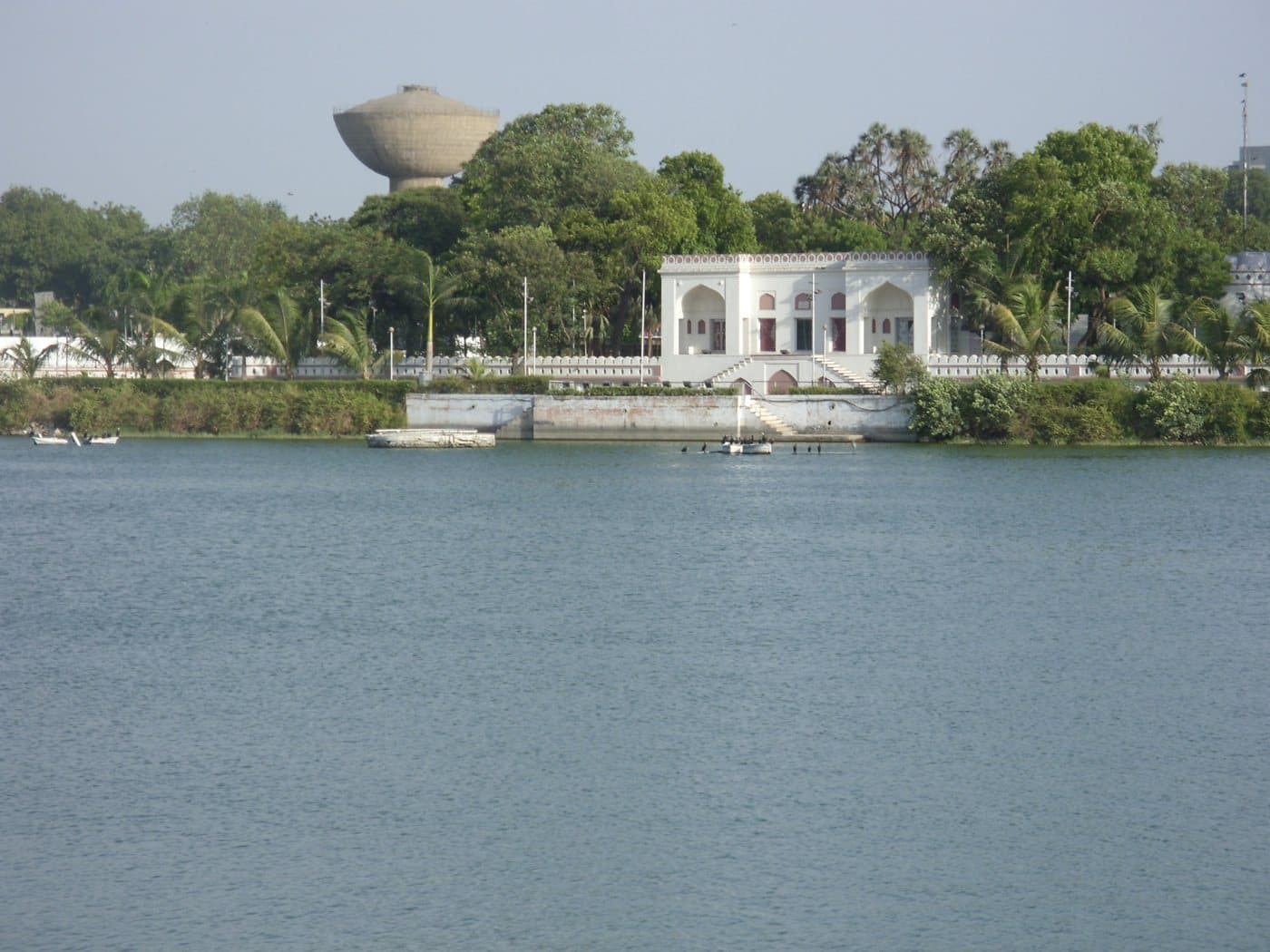
1 photo · Puravi Sarma · CC BY-SA 4.0 · Photos are representative and may not show current conditions. Credits →
Desk research, not a site visit. Re-check the official notice on the morning you travel.
Kamla Nehru Zoological Garden is Kankaria’s main daytime animal-viewing attraction. It deserves its own walking time rather than being squeezed into the final minutes of a lakefront evening. Children can compare mammals, birds and reptiles, then connect what they observe with the zoo’s stated conservation and education role. The Nocturnal Animal House is a separate ticketed experience, and proposed aviary improvements should not be mistaken for a confirmed new walk-through attraction.
Mixed ages with a selective route, shade breaks and close supervision at barriers. Younger children may prefer fewer enclosures and an earlier finish.
A patient, selective route is more useful than demanding a sighting at every enclosure.
Explain that animals do not perform on command. Watching quietly or moving on is more respectful and often more interesting than trying to provoke activity.
Water stations and shade help, but they do not remove fatigue. Choose the child’s main animal interests first and leave optional sections for another day.
It has its own ticket and environment. Add it only if the family still wants another animal experience, not because its later hours make it seem compulsory.
The collection includes mammals, birds and reptiles. Instead of asking children to see every enclosure, choose a visible theme such as movement, body covering or how an animal uses shade. Compare two animals carefully and let the child explain the difference. A resting animal is still behaving naturally; there is no need to knock, shout or offer food to make it perform. This approach works even when a hoped-for species is not visible.
May 2026 reporting discusses care arrangements for lions, tigers and leopards among other animals. It supports the zoo’s contemporary collection context, not a guarantee that every cat will be visible at a particular hour. Watch from behind the barrier and allow quiet time. If an animal is resting out of sight, move on and consider returning only if the route permits. Children can learn that animal needs take priority over a visitor’s photograph.
A child who is drawn first to large mammals may overlook smaller movements elsewhere. Spend time noticing how a bird positions itself or how a reptile’s body blends with its surroundings, where those exhibits are accessible. Use the current labels to identify the animal rather than assigning a name from memory. The observation should remain on the visitor side of the barrier. No feeding or handling programme is implied by ordinary zoo admission.
The zoo describes conservation, education and research as its aims. That provides a starting point for discussing why zoos keep records, manage breeding and care for animals. It does not mean every exhibit demonstrates a successful conservation outcome. A family can ask thoughtful questions about habitat, enrichment and welfare while visiting. The 2026 walk-in aviary and enclosure announcements are development information; wait for an actual opening confirmation before making them the reason for travel.
Kamla Nehru Zoo: history and conservation purpose · February 2026: proposed zoo enclosures and aviary upgrade
The zoo authority publishes a separate admission table and a later timetable for the Nocturnal Animal House near the One Tree Hill area. Do not assume it lies on the same ordinary zoo ticket or that a late nocturnal opening extends the main zoo’s hours. Ask about the current route and exhibits if choosing it. Children uncomfortable in dim environments may prefer the daytime zoo alone, and a second animal venue is not essential after a tiring walk.
The official table gives ₹20 for adults above 12 and ₹10 for children 3–12, with free admission stated up to three. Because the age-three wording overlaps, clarify that boundary rather than guessing. Two adults and two qualifying children total ₹60 for the main zoo on this published basis. The separate Nocturnal House would add ₹140 for that family if both children qualify for its child category. Lakefront access and other attractions are separate decisions.
Kamla Nehru Zoological Garden: official ticketing · Zoo authority: separately ticketed Nocturnal Animal House
The zoo publishes educational entry and a Thursday concession for educational tours, plus free entry for disabled visitors. Those statements should not become a claim that all families enter free every Thursday. Ask about documentation, companions and eligibility directly. The same ticketing page lists older camera categories; confirm present photography arrangements rather than treating historical film-camera terminology as a complete policy for modern equipment.
The standard closing time changes between the March–October and November–February periods. Arrive well before closing rather than relying on the lakefront’s late timetable. May 2026 reporting confirms water stations, washrooms and heat-mitigation measures, but their presence does not make a long hot walk comfortable for every child. Choose shade breaks and shorten the route if needed. Verify mobility support and the condition of accessible facilities directly when essential.
Kamla Nehru Zoological Garden: official ticketing · DD News, May 2026: zoo animal care and visitor facilities
Prices, access and programmes can change. Confirm with the operator before setting out.
Kamla Nehru Zoological Garden, Kankaria, Ahmedabad 380008
Search-based Google map. Confirm the public entrance before travelling; this is not a surveyed entrance pin.
No. The zoo has its own published admission table. Do not treat the lakefront’s general entry as an all-inclusive animal-attraction pass.
The official table lists ₹20 adults above 12 and ₹10 children 3–12, with free entry stated up to three. Confirm the overlapping exact-age-three boundary at the counter.
No. Official standard closing is 6:15 pm March–October and 5:30 pm November–February, with Monday closure.
No. The published free Thursday provision is for educational tours. It is not a general free-family-entry offer.
No. The operator publishes separate ₹50 adult and ₹20 child admission. Confirm current access and eligibility before adding it.
Recent official-news reporting discusses tigers at the facility, but visibility depends on animal care and behaviour. Never make a specific sighting a guaranteed outcome.
The evidence reviewed describes a 2026 development proposal and work in progress. A public opening was not confirmed, so it is not promised in this visit.
May 2026 reporting describes drinking-water stations and washrooms among visitor facilities. Confirm the nearest usable facility on arrival and any accessibility need directly.
Choose a selective 1.5–2.5 hour route or shorter according to energy. A handful of careful animal observations is better than forcing every enclosure into the visit.
Your first-hand tip helps the next family: the best time to go, where the toilets are, what to skip. An editor reads every tip before it appears.
Desk-checked against linked primary sources on 2026-11-01; not a site visit. Ages, durations and suggested activities are editorial advice. Confirm date-specific access, prices and facilities before travel. Last checked 1 November 2026.
Tell us what has changed: new hours, a price, a closed gallery, a changing table that exists or doesn’t. We check against a source before publishing.
Run Kamla Nehru Zoological Garden? Claim this listing to take enquiries and send us updates. It’s free.
Consider one of these if there is time and energy left. They are alternatives; the route link lets you check the journey before adding a stop.
Allow 60–90 minutes for a lakefront walk · Outdoor
Kankaria Lakefront is a ticketed public promenade with several separately run attractions around it. Check its own opening and access notes before adding a second stop.