Let the child choose the first book
Start with a familiar interest and ask staff for the right shelf. Independent choice usually sustains attention better than an adult’s long list of educational titles.
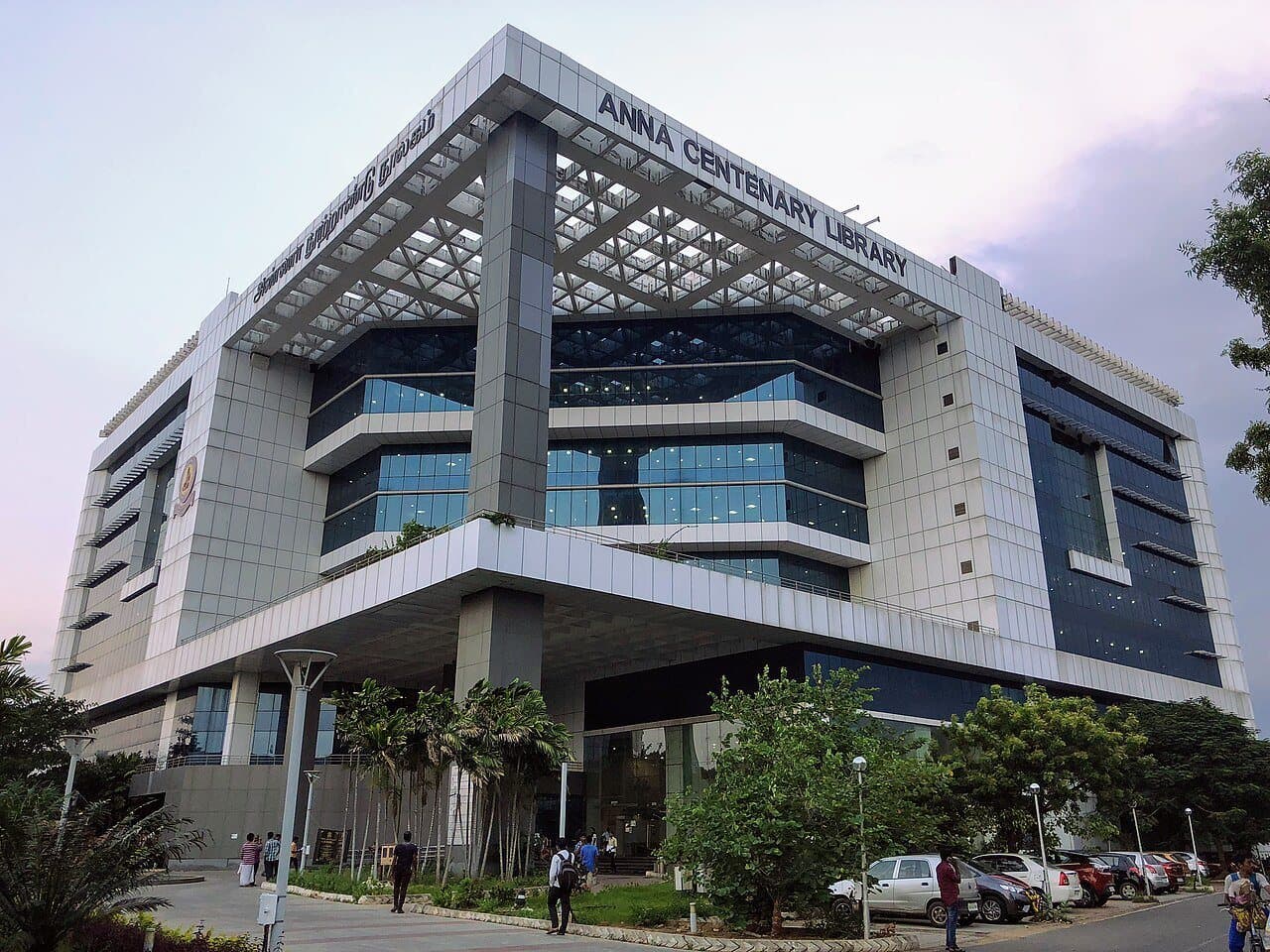
Anna Centenary Library makes a substantial indoor family outing out of browsing and reading, with a dedicated first-floor children’s section rather than just a shelf in an adult reading room.
Children’s facilities are operator-confirmed; section-specific hours and optional services need confirmation.
1 photo · Nazeem Fasil · CC BY-SA 4.0 · Photos are representative and may not show current conditions. Credits →
Desk research, not a site visit. Re-check the official notice on the morning you travel.
Anna Centenary Library makes a substantial indoor family outing out of browsing and reading, with a dedicated first-floor children’s section rather than just a shelf in an adult reading room. Its themed reading space, multilingual books and activity area are especially useful for school-age children. Visit for books first; workshops depend on a published programme.
The official children’s-section description specifies ages 4–14; ask about arrangements for younger siblings.
A first library outing succeeds when the child finds a book they want to open, not when the family visits every floor.
Start with a familiar interest and ask staff for the right shelf. Independent choice usually sustains attention better than an adult’s long list of educational titles.
The activity stage does not mean a show happens all day. Check a dated notice if storytelling or a workshop is the main reason for coming.
Head to the first floor, B wing, rather than spending a child’s attention touring adult study floors. The operator describes a large dedicated collection ranging from early alphabet and number books to children’s encyclopedias. That range makes it possible for siblings to choose different reading levels within one family visit. Begin by asking a librarian where your child’s preferred subject or language is shelved; the most productive first ten minutes are usually spent finding a suitable book, not photographing the building.
The children’s area includes an artificial tree and themed reading surroundings. Use that inviting setting to establish a simple ritual: the child chooses one book, the adult chooses another, and each explains the choice. For a developing reader, browsing illustrations or listening to a quiet read-aloud is a legitimate library experience. This is still a shared reading environment, so it is not a substitute for a running-around playground. End while the child still associates the library with an interesting discovery.
The official page identifies English as the largest part of the children’s collection, alongside Tamil and several other Indian and foreign languages. Availability of a particular title or level needs a catalogue or staff check. An older child can use the visit to answer one real question—for example, finding a book about marine life after a beach outing—while a younger sibling browses a story. Do not make the extensive collection into a target to cover; one well-chosen book can justify the trip.
The activity area has a performance stage, and the library describes storytelling and related events as ways of encouraging reading. Its May 2026 summer programme is evidence of actual organised activities, but that programme has ended. Consult the current children’s notice rather than assuming a puppet show or workshop occurs whenever you arrive. Computer terminals are also described, but their availability and use rules are separate from access to books. Let staff explain what is available on the day.
Anna Centenary Library children’s section · Library children’s summer programme, May 2026
Ordinary reading is generally described as free. The official website separately links membership fees and member facilities, so a membership price should not be presented as the cost of a family’s basic reading visit. Likewise, free entry does not establish a right to borrow any book or reserve an event place. Ask staff about the relevant service only if you need it. Keep the first outing simple: a short reading session is enough to find out whether the children want a longer return visit.
Anna Centenary Library institutional information · Library visitor-hours reference
General references give 8 am–8 pm, but a current section-specific timetable was not established from the official children’s page. Call before a special early or late journey. The main building is described as centrally air-conditioned and the official site lists parking, accessibility and food facilities; this is not confirmation of every facility’s current availability. Allow for entry procedures and keep food away from books. Combine the library with the science centre only if the child has appetite for two concentration-heavy visits.
Anna Centenary Library institutional information · Library visitor-hours reference
Prices, access and programmes can change. Confirm with the operator before setting out.
Anna Centenary Library, Gandhi Mandapam Road, Kotturpuram, Chennai 600025
Search-based Google map. Confirm the public entrance before travelling; this is not a surveyed entrance pin.
The official description places it on the first floor, B wing. Ask for that section on arrival rather than starting in adult study areas.
The operator’s main description specifies ages 4–14, although a nearby page label says 4–14+. Ask staff about younger siblings or older teens rather than assuming unrestricted children’s-area access.
Ordinary reading is generally described as free. Paid membership or service rules should be checked separately; they are not automatically an entrance ticket.
Do not assume that reading access includes borrowing. Ask about the relevant membership and circulation rules for the chosen collection.
Yes, Tamil is among the languages identified by the official children’s page, alongside a predominantly English collection and other languages. Ask about the appropriate reading level.
No. The section has an activity space and hosts programmes, but these depend on a dated schedule. The May 2026 summer programme should not be treated as a current daily event.
It is indoor, but the stated children’s age band starts at four and the setting requires quiet reading behaviour. Confirm younger-child access and plan a short visit rather than treating it as soft play.
Yes as an optional local pairing, but both require attention. A short book search related to the science visit is more realistic than another long tour.
Your first-hand tip helps the next family: the best time to go, where the toilets are, what to skip. An editor reads every tip before it appears.
Desk-checked against linked primary sources on 2026-11-01; not a site visit. Ages, durations and suggested activities are editorial advice. Confirm date-specific access, prices and facilities before travel. Last checked 1 November 2026.
Tell us what has changed: new hours, a price, a closed gallery, a changing table that exists or doesn’t. We check against a source before publishing.
Run Anna Centenary Library? Claim this listing to take enquiries and send us updates. It’s free.
Consider one of these if there is time and energy left. They are alternatives; the route link lets you check the journey before adding a stop.
30–60 minutes · Outdoor
Indira Nagar Park is a neighbourhood walking and play stop in Adyar, made more interesting by resident-created tree labels and QR information. Check its own opening and access notes before adding a second stop.