Start with the child who has the strongest interest
Let one child choose the first gallery and give another the next choice. This makes the route feel shared without forcing equal time at every cabinet.
Meet a mounted Kotasaurus, examine spacecraft models and try interactive science at Birla’s Naubat Pahad campus.
Operator actively describes galleries and daily opening; public ticket link did not expose a current tariff, so published amounts remain qualified planning references.
1 photo · balajijagadesh · CC BY-SA 3.0 · Photos are representative and may not show current conditions. Credits →
Desk research, not a site visit. Re-check the official notice on the morning you travel.
Meet a mounted Kotasaurus, examine spacecraft models and try interactive science at Birla’s Naubat Pahad campus. The museum is a self-paced visit; the neighbouring planetarium is a separate timed experience with an under-four exclusion.
Editorial fit: school-age children get most from experiments and labels; younger children can enjoy a shorter dinosaur-and-model visit. The planetarium’s under-four restriction is not a verified museum-wide minimum age.
This campus offers enough material to overwhelm a family that tries to complete everything. A dinosaur-led visit and a space-led visit can be equally worthwhile.
Let one child choose the first gallery and give another the next choice. This makes the route feel shared without forcing equal time at every cabinet.
Check age eligibility, language and available seats before paying for the planetarium addition. The museum alone is a valid visit, especially with a younger sibling.
Allow a prediction, a test and a second attempt at a single exhibit. That short sequence is more memorable than hurrying past a dozen buttons.
A successful visit does not require equal time in every gallery. Ask your child which question interests them most: how scientists reconstruct a dinosaur, how an experiment changes when you adjust something, or what a satellite does above Earth. Start there while attention is fresh. The operator lists interactive science, remote sensing, a nuclear-power section, dioramas and the Dinosaurium among the museum’s components. This variety makes the venue particularly useful for siblings with different interests, provided the adults resist turning every exhibit into a lesson. Let children make a prediction before explaining a result.
The Dinosaurium centres on a large mounted Kotasaurus associated with discoveries at Yamanpalli. The operator’s detailed account describes a composite skeleton assembled from fossil material collected from multiple individuals, not one intact animal unearthed in its final standing pose. That distinction gives children a fascinating detective question: how can scientists work out where separate bones belong? Look at the relationship between the long neck, body and tail. Do not repeat the operator page’s stray description of a dinosaur as a mammal; dinosaurs are reptiles. Treat exact age claims cautiously because some explanatory text is old.
After the large skeleton, give the smaller displays a deliberate chance. The operator identifies dinosaur eggs, fossilised wood and an ammonite among the palaeontology exhibits. Ask which clues suggest an animal and which suggest a plant, and why objects from very different environments can all be called fossils. A child who loves the giant skeleton may otherwise walk straight past these quieter pieces. Compare scale without touching: something small enough to fit in a hand can preserve information as important as a bone taller than a person. Follow current labels where originals and replicas are distinguished.
The Space Museum was developed with ISRO and includes spacecraft, satellite and rocket models, with GSLV and International Space Station displays highlighted by the operator. Models are useful because children can see structures that would be impossible to inspect during a real launch. Ask them to distinguish a vehicle that carries equipment into space from the equipment it carries. The campus homepage also highlights Moon and LVM-3 displays; confirm the open route to these on arrival. Treat the museum as an introduction to missions and engineering, not as a live launch-control centre.
Birla Science Centre: Space Museum · Birla Science Centre: current opening hours and campus highlights
At an operational hands-on exhibit, first read the instructions and let the child predict what will happen. Try one action, watch the result, then change a single thing where the apparatus permits it. This simple sequence helps a family avoid the rushed pattern of pressing every button without noticing the outcome. The museum describes interactive and participatory science as a central part of its purpose, but that does not guarantee every installation is working during every visit. Move on gracefully from a closed or confusing station and spend more time with an exhibit that invites a clear question.
The official pages reviewed explain opening and galleries but did not expose a usable current tariff through the public ticket link. A secondary directory contains newer ₹200 general and ₹300 combo references alongside conflicting legacy amounts; budget around those newer figures only provisionally. At that assumption, three charged visitors would total about ₹600 museum-only or ₹900 for a museum/planetarium combo. Ask the cashier to identify exactly which museum galleries are included, whether a child concession applies, and whether a particular sky show has seats. An art-gallery or additional experience package should never be assumed included.
YoMetro: conflicting legacy and newer Birla tariff references
The museum can fill the outing without a dome show. The planetarium operator specifically excludes children under four from its Sky Theatre and describes 35–40-minute programmes. Families with a younger sibling should decide whether one adult will remain outside or whether everyone will stay with the museum instead. For eligible children, select the language before buying a combination ticket. Museum wandering can be paused; a timed screening cannot be treated like another open gallery. Leave a comfortable gap for the toilet, entry queue and finding the correct theatre.
Use the science-centre entrance on Naubat Pahad rather than a map pin for Birla Mandir. They are neighbouring destinations with different entry arrangements. A cab or auto to the correct approach can save a tiring uphill walk after public transport. Before arrival, ask about lifts, ramps and the exact galleries reachable with a wheelchair or stroller; the research did not establish a complete step-free circuit. Plan a meal before or after the museum instead of relying on an unverified café. Find the nearest toilet when entering, and keep food away from exhibits. Finish by asking your child which display changed their original prediction.
Prices, access and programmes can change. Confirm with the operator before setting out.
B M Birla Science Centre, Naubat Pahad, Adarsh Nagar / Khairatabad, Hyderabad, Telangana
Search-based Google map. Confirm the public entrance before travelling; this is not a surveyed entrance pin.
The operator describes a composite skeleton assembled from fossil remains associated with multiple individuals. This is a good opportunity to explain reconstruction and scientific evidence to children.
Not automatically. Secondary sources describe separate and combined options. Ask the cashier which galleries and which scheduled sky show are included before paying.
No museum-wide minimum age was verified. However, the separate Sky Theatre explicitly does not admit children under four, so do not buy a dome-show package for that child.
A current official tariff was not accessible in the reviewed pages. Secondary newer references suggest about ₹200 museum-only and ₹300 with the planetarium, but conflicting legacy prices make counter confirmation necessary.
Start with the Space Museum’s rocket, satellite and spacecraft models. Ask staff about the current Moon and LVM-3 displays promoted on the campus homepage.
The current operator says its museum opens daily from 10:30 to 20:00. Do not import the State Museum or Salar Jung weekly closure into this private science-centre itinerary.
No. Only operate displays explicitly designed for visitor participation and follow their instructions. Fossils, models and protected collection items are observation displays unless staff say otherwise.
Only if energy allows and the temple is within its separate visiting hours. Its hill walking and phone-storage arrangements add another practical step; it is not part of the museum ticket.
Do not assume so. The operator advertises separately arranged educational sessions; verify booking, availability and charges before promising telescope construction to a child.
Your first-hand tip helps the next family: the best time to go, where the toilets are, what to skip. An editor reads every tip before it appears.
Desk-checked against linked primary sources on 2026-11-01; not a site visit. Ages, durations and suggested activities are editorial advice. Confirm date-specific access, prices and facilities before travel. Last checked 1 November 2026.
Tell us what has changed: new hours, a price, a closed gallery, a changing table that exists or doesn’t. We check against a source before publishing.
Run B M Birla Science Museum? Claim this listing to take enquiries and send us updates. It’s free.
Consider one of these if there is time and energy left. They are alternatives; the route link lets you check the journey before adding a stop.
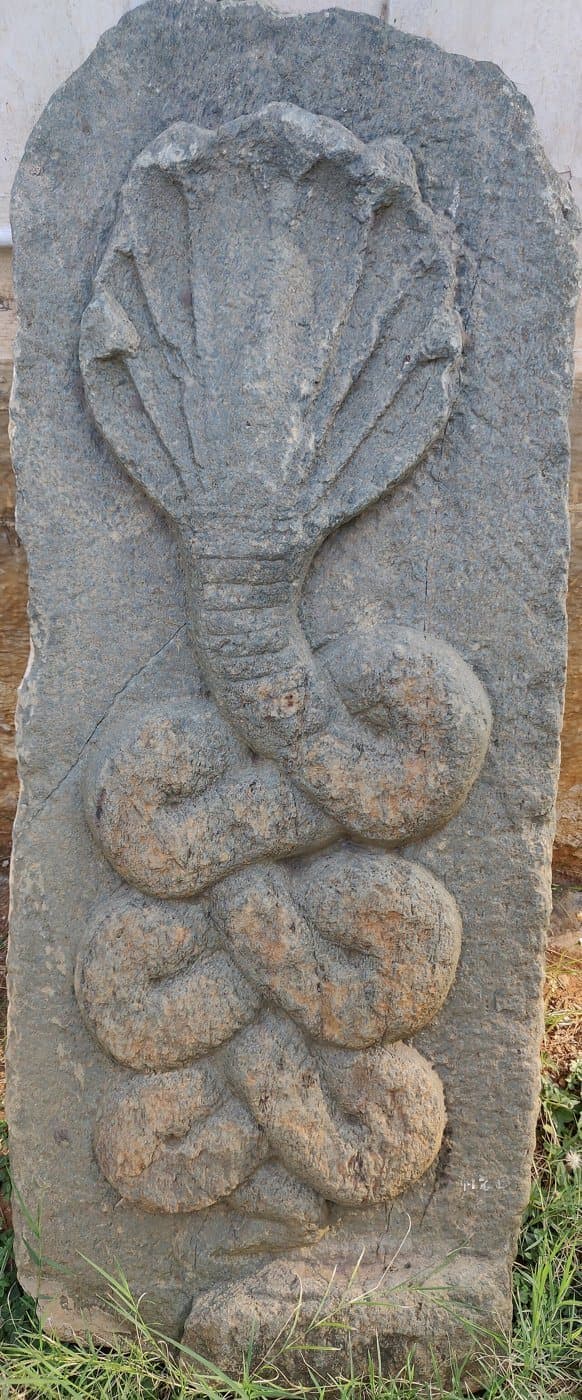
60–90 minutes · Indoor & outdoor
An Egyptian mummy, regional sculpture and a historic building make this Public Gardens museum a compact introduction to archaeology. Check its own opening and access notes before adding a second stop.
60–90 minutes including ticketing and one 35–40-minute show · Indoor
A 35–40-minute digital dome show turns space science into a seated family outing on Naubat Pahad. Check its own opening and access notes before adding a second stop.