Use one procession painting as the main story
Let the child describe what they see before you supply names and dates. The Royal Gallery’s large scene rewards close looking without requiring a complete history lesson.
Victoria Memorial combines a monumental white building and formal gardens with paintings, objects and multimedia accounts of India’s past.
Published visitor hours and tariffs checked. Specific gallery renovation/opening status was not independently refreshed; confirm the accessible route on arrival.
1 photo · Subhrajyoti07 · CC BY-SA 4.0 · Photos are representative and may not show current conditions. Credits →
Desk research, not a site visit. Re-check the official notice on the morning you travel.
Victoria Memorial combines a monumental white building and formal gardens with paintings, objects and multimedia accounts of India’s past. Choose a garden visit or a selective museum route rather than treating the whole campus as one compulsory circuit. Gallery access and temporary exhibitions can change; choose from the route confirmed by the museum on the day.
Ages 6+ get more from the museum stories; younger children may prefer a shorter garden-and-building visit.
The most useful decision is whether the child wants a garden outing, a few museum stories, or both with a proper break.
Let the child describe what they see before you supply names and dates. The Royal Gallery’s large scene rewards close looking without requiring a complete history lesson.
The school exemption is conditional on uniform and school ID. Resolve that before arrival instead of promising free admission based only on the child’s age.
Ask staff which galleries are open, then choose one or two highlights. Do not make an unconfirmed room the main promise to the children.
The garden and museum are related but different experiences. A garden visit offers the building’s exterior, planted grounds and space to pause; a museum visit asks children to look closely at objects, paintings and historical interpretation. The official site explicitly says a garden ticket does not admit its holder to the museum. Decide what you want before joining a counter queue. A family with a tired toddler can have a worthwhile short exterior visit without treating the museum as something they failed to complete.
The Royal Gallery includes Vassili Vereshchagin’s depiction of the Prince of Wales entering Jaipur in 1876. Its scale offers an immediate way into the collection: ask children which figures they notice first, where the procession is moving and how the artist creates a sense of ceremony. This is a suggested observation exercise, not a guided activity included in admission. Let the child inspect the scene before introducing names and dates. A single painting can sustain a better family conversation than a fast pass through every wall.
The operator identifies paintings by the Daniells and other European artists, a painting of a Durga immersion scene, and the pianoforte made for the young Victoria’s use. These are useful contrasts: a musical instrument suggests everyday practice, while a formal procession expresses power and status. Ask how a painting differs from a photograph and what the artist has chosen to emphasise. Use the labels to distinguish the period depicted from the date an object was acquired. Collection descriptions guide your interests but do not guarantee every object remains on display during works.
The museum brochure describes the Central Hall’s dome, large columns and painted scenes from Victoria’s life. Give the space a few unhurried minutes before trying to explain every scene. Children can compare what looks heavy and what seems to rise above them, then look for repeated architectural shapes. This is also a useful point to explain that a building originally created to commemorate an imperial ruler can now contain several narratives about colonialism, reform and resistance. Keep the explanation proportionate to the child’s age rather than turning the hall into a long lecture.
The first-floor Biplobi Bharat gallery uses multimedia interpretation to examine revolutionary resistance to British rule, including networks operating beyond India. The official description identifies material interpreting the Indian National Army and associated flags. Older children can follow one person, movement or symbol through the display instead of trying to absorb the entire chronology. Explain that armed struggle, imprisonment and sacrifice may be part of the material; parents should assess the presentation for sensitive younger children. This gallery is not the same as the Royal Gallery’s ceremonial view of empire.
The current visitor page establishes general museum admission, but the individual gallery directory could not be refreshed during this desk check. Do not assume every room named in an older brochure is open. Ask about the Calcutta, Portrait, Royal and BiplobiBharat spaces and any temporary exhibition before choosing the route. A selective visit should follow the galleries actually accessible that day.
Victoria Memorial current gallery directory · Victoria Memorial 2025 visitor brochure
Museum entry is ₹50 for Indian nationals, ₹100 for nationals of the listed SAARC countries on production of a passport, and ₹500 for other foreign nationals. The official exemption for school students up to Class XII requires both uniform and school ID; it should not be converted into a blanket free-child rule for every family visit. Two paying Indian adults therefore total ₹100 for museum admission, with the child’s applicable entitlement to establish separately. The site also lists exemptions for visitors with UDID cards and specified service personnel and families under its identification conditions.
Garden-only admission is ₹30 per person per entry: three paying visitors total ₹90. The annual garden pass is ₹1,000 for seniors above 60 and ₹2,000 for others; these are repeat-visit products, not museum season tickets. The light-and-sound programme has its own published poster and is subject to weather and last-minute changes. A current reliable show price and text schedule were not established in this review, so do not assume an ordinary garden ticket includes a guaranteed evening performance. Check the specific programme before extending the family day.
The museum opens at 10 am and closes at 6 pm, with Monday and named holiday closures; the gardens open earlier at 6 am and remain listed as daily. Both counters stop selling tickets half an hour before closing. Use the specific visitor gate and allow time for security and any bag procedures. The reviewed pages do not establish a full step-free route to every first-floor display or current wheelchair availability. Ask about the exact route if mobility is a deciding factor. Finish with a short garden walk if conditions permit rather than automatically adding another nearby museum.
Prices, access and programmes can change. Confirm with the operator before setting out.
Victoria Memorial Hall, 1 Queens Way, Kolkata 700071
Search-based Google map. Confirm the public entrance before travelling; this is not a surveyed entrance pin.
No. The official visitor page explicitly says garden admission does not entitle the holder to enter the museum building. Select the correct product at the counter.
Do not assume so. Individual galleries may close for renovation or exhibition work. Ask the museum which spaces are accessible on your date; the general admission page does not guarantee every room.
The clearly stated school exemption is for students up to Class XII in uniform and with school ID. Do not assume that every child in ordinary clothes qualifies for free museum admission.
The gardens are listed as open daily, but the museum galleries close on Monday. A Monday garden plan is not a substitute for a booked museum experience.
The large Jaipur procession painting offers figures and movement to investigate, while the piano and other paintings let children compare ceremonial history with familiar objects. Follow current displays rather than expecting every catalogue object.
It is a first-floor museum gallery interpreting revolutionary resistance and independence history through multimedia. Confirm its current access with the museum route; it is not the same as the outdoor sound-and-light show.
The official page lists ₹1,000 for seniors above 60 and ₹2,000 for others. These are garden-entry passes, not a promise of unlimited museum or evening-show access.
No such inclusion was established. The sound-and-light schedule is separately published and can change with weather or authority decisions.
The published counter cut-off is half an hour before the 6 pm closing time, so plan to buy before 5:30 pm. Even that leaves little time for a meaningful museum visit.
Your first-hand tip helps the next family: the best time to go, where the toilets are, what to skip. An editor reads every tip before it appears.
Desk-checked against linked primary sources on 2026-11-01; not a site visit. Ages, durations and suggested activities are editorial advice. Confirm date-specific access, prices and facilities before travel. Last checked 1 November 2026.
Tell us what has changed: new hours, a price, a closed gallery, a changing table that exists or doesn’t. We check against a source before publishing.
Run Victoria Memorial Hall and Gardens? Claim this listing to take enquiries and send us updates. It’s free.
Consider one of these if there is time and energy left. They are alternatives; the route link lets you check the journey before adding a stop.
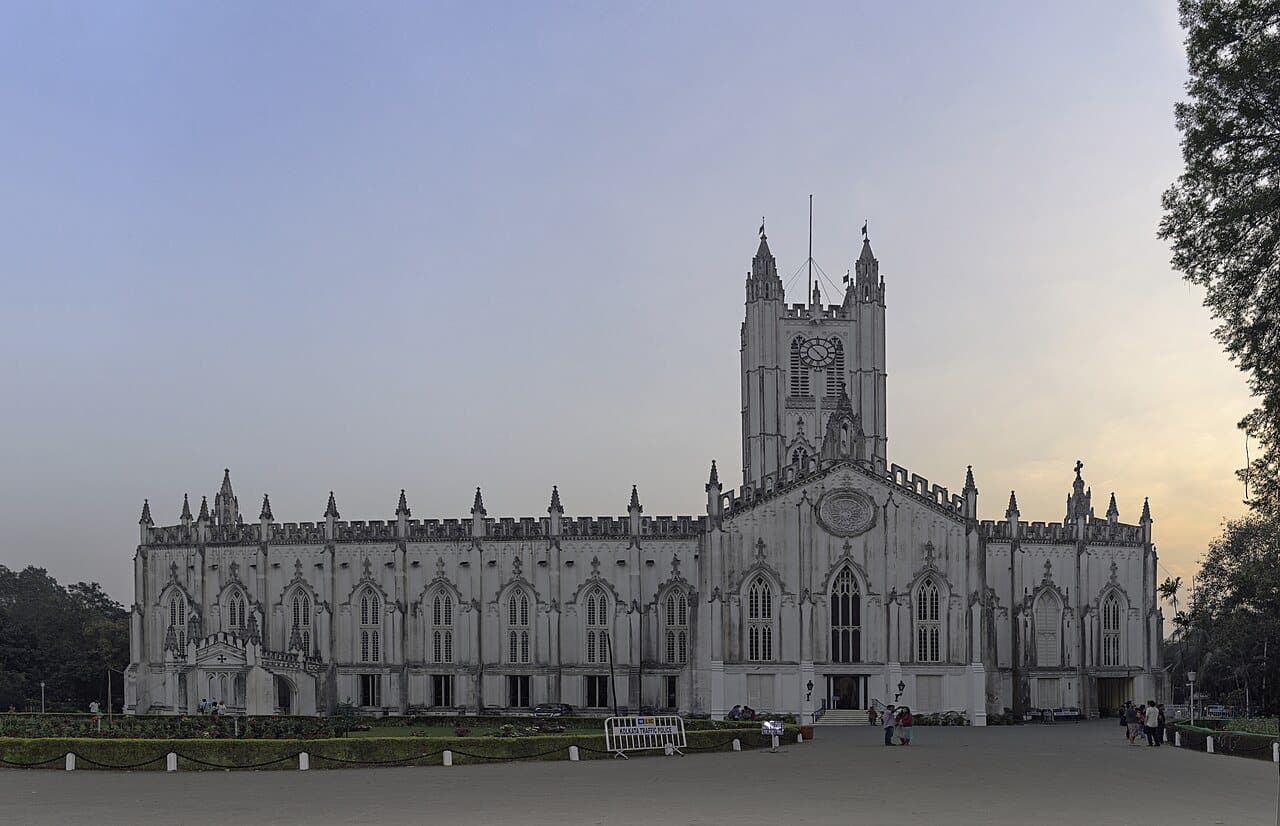
30–45 minutes for a respectful visitor stop
St Paul’s Cathedral offers a short, quiet architectural visit beside Kolkata’s Maidan cultural attractions. Check its own opening and access notes before adding a second stop.
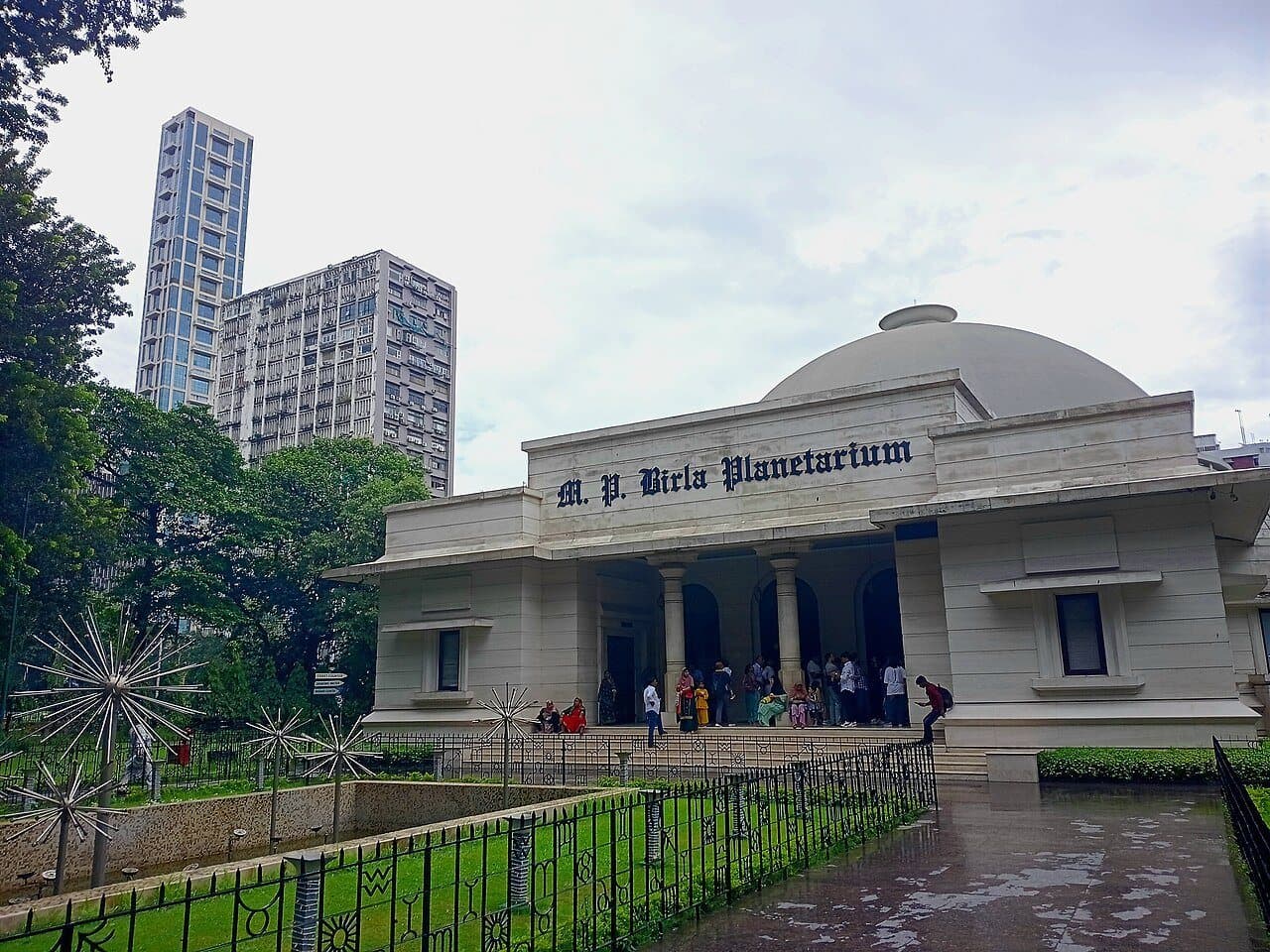
About 60–90 minutes including arrival · Indoor
Birla Planetarium is a seated dome-show outing about the sky, not a building full of hands-on science exhibits. Check its own opening and access notes before adding a second stop.