Remove it from the active outing
Do not travel to the building expecting to negotiate entry or rely on older hours in travel listings. The closure notice takes priority over the museum’s otherwise useful educational collection.
Planning alert: a Reserve Bank notice dated 14 July 2026 announces renovation closure from 22 July until further notice.
Closed from 22 July 2026 until further notice under RBI release 2026–2027/665. No reopening announcement found in this check. Do not plan an entry visit without RBI confirmation.
Official notice ↗1 photo · DesiBoy101 · CC BY 4.0 · Photos are representative and may not show current conditions. Credits →
Desk research, not a site visit. Re-check the official notice on the morning you travel.
Planning alert: a Reserve Bank notice dated 14 July 2026 announces renovation closure from 22 July until further notice. No reopening announcement was found in this check. The museum’s money, coin and banknote collections remain interesting family-learning subjects, but the descriptions below are background for a future visit, not evidence that galleries are accessible now.
Editorial fit: ages 7+ for independent curiosity; younger children may enjoy a brief coin-shape hunt.
A July 2026 notice states that the Monetary Museum is closed until further notice. A family itinerary should use an open alternative until a reopening is confirmed.
Do not travel to the building expecting to negotiate entry or rely on older hours in travel listings. The closure notice takes priority over the museum’s otherwise useful educational collection.
Children interested in currency can compare the symbols and denominations on notes you already have, then visit a confirmed open museum nearby. This keeps the interest alive without promising unavailable access.
Do not make a special journey without an RBI reopening confirmation. These four themes reflect the published collection description; renovation may change the displays. The suggested conversations can also be tried at home with ordinary low-value coins or drawings.
The published museum interpretation begins with ideas of exchange and money. A useful home activity while the museum is closed is to invent a swap: one child has pencils, another wants a snack, but neither wants the other’s item. Discuss why a shared medium can make exchange easier. Avoid presenting barter as the single universal history of every society; use the exercise to introduce the problem, then follow the museum’s evidence after reopening.
Published collection descriptions include historical Indian coinage. After access resumes, compare shape, script and imagery using the labels rather than guessing dates from appearance. Younger children can notice round and non-round forms; older ones can ask what a ruler or issuing authority wanted people to recognise. At home, make pencil drawings of familiar coins rather than carrying a valuable collection to the museum.
The documented paper-money and currency-recognition themes can connect museum looking with everyday experience. Ask a child to design a clearly imaginary note with a number, symbol and issuer, then discuss why recognition matters. This is a learning game, not advice on checking suspected counterfeit money. On a future visit, use the actual labels to distinguish historic designs from current currency information.
The published “RBI and You” section offers a bridge from objects to institutions. For a school-age child, begin with one simple distinction: a museum explains money, while a bank branch handles particular services. Ask how a country keeps many forms of payment understandable and trusted. Save technical monetary-policy questions for a later discussion; a future visit does not need to become a lecture about interest rates.
Prices, access and programmes can change. Confirm with the operator before setting out.
Amar Building, Ground Floor, Sir Phirozshah Mehta Road, Fort, Mumbai 400001
Search-based Google map. Confirm the public entrance before travelling; this is not a surveyed entrance pin.
A July 2026 RBI notice announces renovation closure until further notice. No reopening announcement was found in this check. Treat it as unavailable until RBI confirms otherwise.
Those general listings can predate the renovation notice. A closure notice overrides a routine timetable; the old hours are not a reason to make the journey.
It is RBI press release 2026–2027/665, dated 14 July 2026, reproduced by Track RBI and indexed by other notification services. The original RBI URL is linked in our sources, but its page could not be retrieved during this check.
No. It does not specify a completion date. This guide deliberately does not estimate one or sell the collection descriptions as currently available experiences.
No. This listing is for the Monetary Museum at Amar Building in Fort, Mumbai. Check the city carefully when searching for ticketing or closure updates.
As an editorial guide, children interested in coins, trade or how shops work are likely to find a useful starting point. Preschoolers may prefer a brief shape-and-picture hunt; the renovated displays still need checking.
No appraisal or valuation service has been verified. Treat a future museum visit as learning and keep valuable collections at home unless an authorised specialist appointment says otherwise.
Try a pretend shop, compare the designs of ordinary coins, or explore CSMVS’s Money Gallery if open. These are alternatives, not substitute RBI programmes or confirmation of online museum access.
Desk-researched from linked sources. Ages, durations, suggested routes and activities are editorial planning advice, not operator guarantees.
Tell us what has changed: new hours, a price, a closed gallery, a changing table that exists or doesn’t. We check against a source before publishing.
Consider one of these if there is time and energy left. They are alternatives; the route link lets you check the journey before adding a stop.
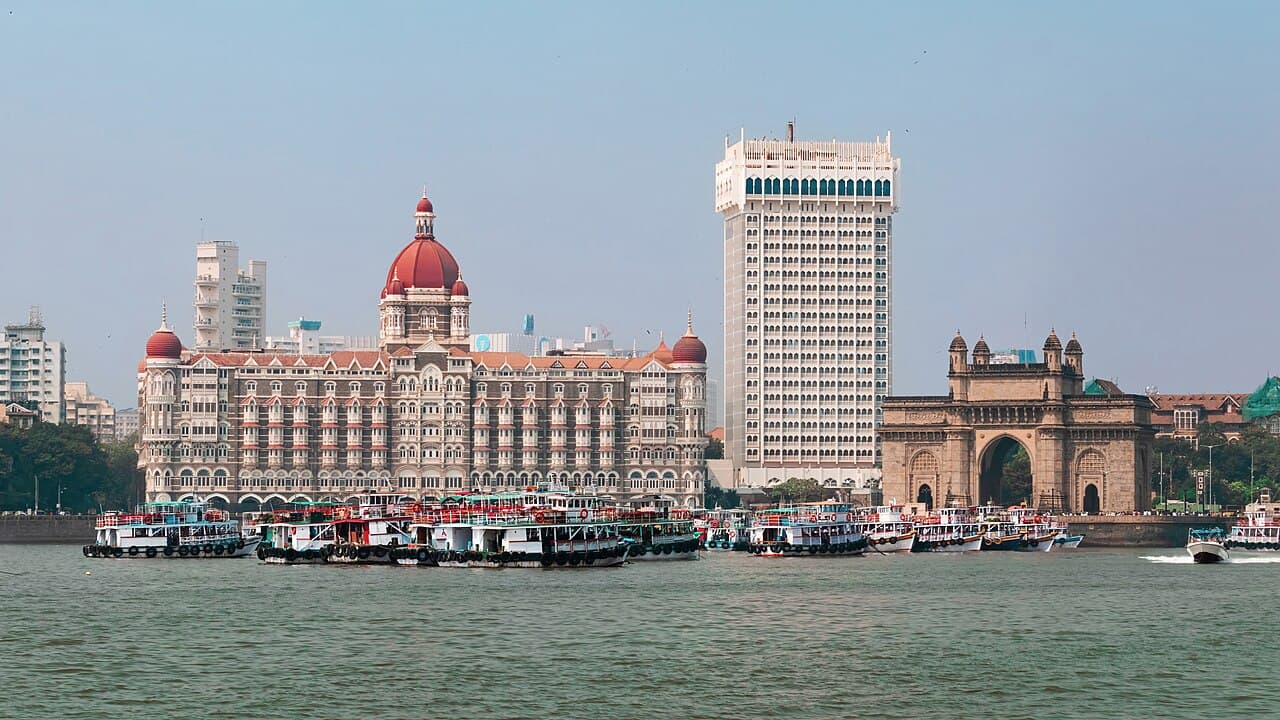
45–75 minutes · Outdoor
A short harbour-side visit with a surprisingly good story: an enormous ceremonial arch, working boats and the city meeting the sea. Check its own opening and access notes before adding a second stop.
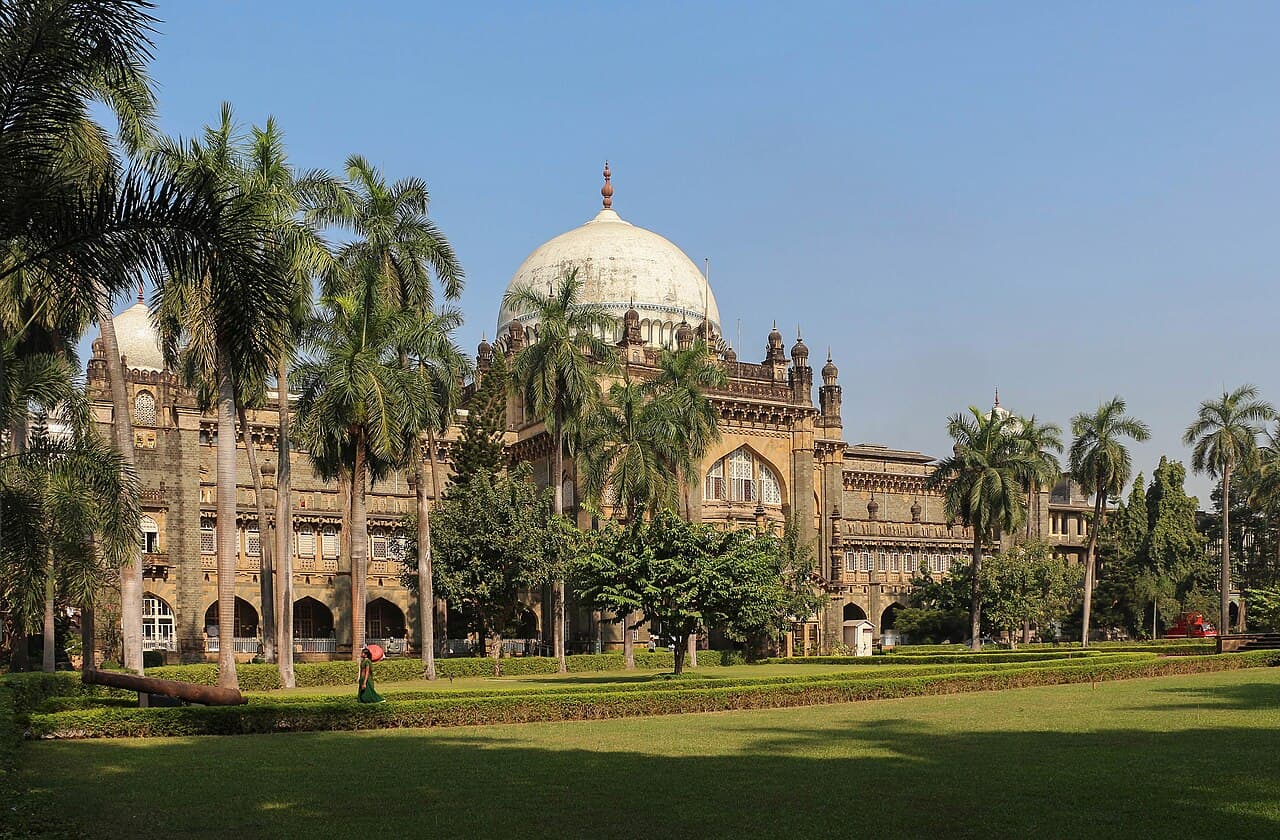
1.5–3 hours · Indoor
CSMVS rewards a selective family visit: choose a few galleries that connect to your child’s interests, then spend time looking closely. Check its own opening and access notes before adding a second stop.