Let the plaza be enough
A child can enjoy the arch, boats and harbour without adding a ferry. Keep the first visit short and leave while the view still holds their attention; a boat journey needs its own weather, toilet and return-time plan.
A short harbour-side visit with a surprisingly good story: an enormous ceremonial arch, working boats and the city meeting the sea.
1 photo · iMahesh · CC BY-SA 4.0 · Photos are representative and may not show current conditions. Credits →
Desk research, not a site visit. Re-check the official notice on the morning you travel.
A short harbour-side visit with a surprisingly good story: an enormous ceremonial arch, working boats and the city meeting the sea. Come for observation and photographs, with a separate plan if you want a ferry. The open forecourt can feel demanding in heat or dense crowds, so this works better as a compact Colaba stop than a long afternoon with a toddler.
All ages for a short visit; ages 5+ can enjoy a simple architecture hunt. With toddlers, choose a clear meeting point and remain together in the crowd.
The monument is easy to recognise, but the busy plaza and optional boat journeys create very different family outings. Decide which one you are actually planning.
A child can enjoy the arch, boats and harbour without adding a ferry. Keep the first visit short and leave while the view still holds their attention; a boat journey needs its own weather, toilet and return-time plan.
The open plaza can become busy and children may drift while adults frame photographs. Choose a clear landmark and keep younger children beside an adult rather than relying on a general instruction to stay nearby.
An Elephanta trip involves transfers and substantially more time than looking at the Gateway. Do not let an impulse at the waterfront turn a short family visit into an outing for which nobody has food, water or energy.
Allow an editorial 30–60 minutes for the public monument and waterfront. These are self-guided observation ideas; boat travel, hotel access and guided tours are separate arrangements.
The district authority dates completion to 1924 and identifies George Wittet as its architect. Start far enough back to see the whole silhouette. Let children find a central opening, smaller openings and the dome, then compare their drawing with what they can actually see. The point is to notice how a large building is made from repeated shapes; you do not need to recite architectural terminology in the sun.
From the permitted public viewing area, watch how boats approach, wait and turn. A child can sort what is visible by size or movement rather than needing to know vessel names. Explain that the water is a transport space as well as a view. Keep a comfortable distance from the waterside edge and leave loading areas clear; watching ferries does not require joining one.
The monument commemorates the 1911 visit of King George V and Queen Mary. For an older child, distinguish the event being remembered from the later completion of the building. Ask whose arrival a city chooses to celebrate and what monument the child would build today. This makes a familiar postcard scene into a short discussion of public memory, without treating colonial ceremony as the whole history of Mumbai.
Take a wide family photograph first, then let children choose one architectural detail for a close-up from the same permitted area. Nearby hotel facades and the harbour offer a useful contrast in scale. Avoid backing into pedestrian flows for a perfect shot. If the family wants more objects and history, plan CSMVS separately; if the child has had enough, a seated meal is a complete and sensible ending.
Prices, access and programmes can change. Confirm with the operator before setting out.
Apollo Bunder, Colaba, Mumbai
Search-based Google map. Confirm the public entrance before travelling; this is not a surveyed entrance pin.
Treat this as an outdoor architectural visit. The attraction is the monument and harbour setting, not a sequence of ticketed indoor galleries.
No. An Elephanta trip needs separate ferry arrangements, island walking and several additional hours. Decide on that before reaching the jetty rather than adding it to a tired child’s afternoon.
Try spotting three different boats and finding the biggest arch. Keep the task short, take a family photograph from the public viewing area and finish before heat or crowds overwhelm the visit.
No. The hotel is a separate property. Viewing its exterior from a public area does not provide access to hotel interiors or facilities.
Only after checking the operator, sailing conditions, life-jacket provision and actual departure. Weather and operational decisions can interrupt sailing.
It can help with a tired child, but crowded approaches and security arrangements make a compact option easier. A smooth, uninterrupted accessible route has not been verified.
Ask children to compare the rounded dome with the pointed openings, then draw a silhouette. That makes observation the activity and avoids a lecture in the heat.
For families interested in objects and indoor galleries, consider CSMVS in the Fort/Kala Ghoda area. For younger children, lunch and a rest may be a better next step than another attraction.
Desk-researched from linked sources. Ages, durations, suggested routes and activities are editorial planning advice, not operator guarantees.
Tell us what has changed: new hours, a price, a closed gallery, a changing table that exists or doesn’t. We check against a source before publishing.
Consider one of these if there is time and energy left. They are alternatives; the route link lets you check the journey before adding a stop.
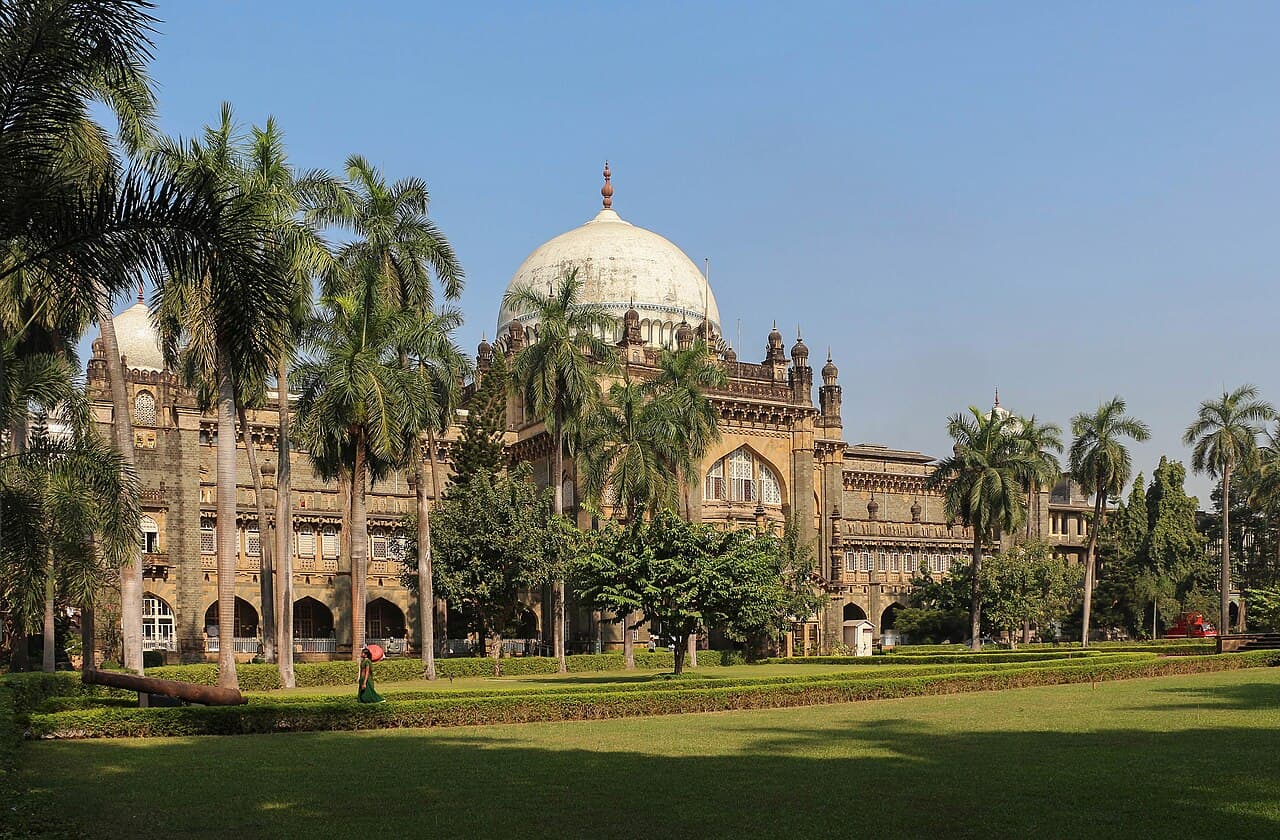
1.5–3 hours · Indoor
CSMVS rewards a selective family visit: choose a few galleries that connect to your child’s interests, then spend time looking closely. Check its own opening and access notes before adding a second stop.
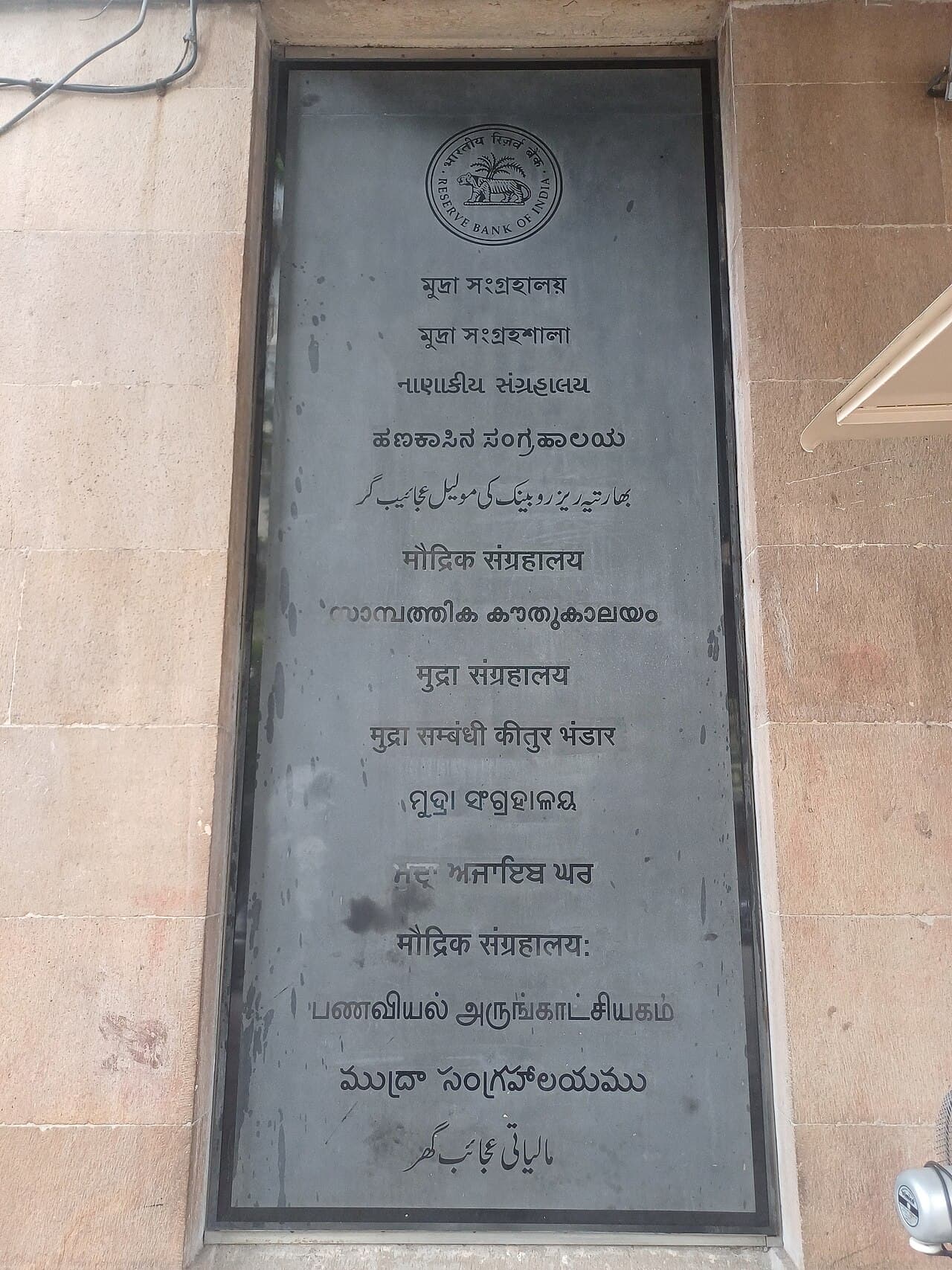
Indoor
Planning alert: a Reserve Bank notice dated 14 July 2026 announces renovation closure from 22 July until further notice. Check its own opening and access notes before adding a second stop.