CSMVS rewards a selective family visit: choose a few galleries that connect to your child’s interests, then spend time looking closely. Natural history, sculpture, miniature painting, textiles and money offer very different ways in. The Children’s Museum adds a creative learning focus, but workshops and access to particular spaces should be checked for your date.
Natural history and sculpture collections
Textiles, decorative arts and money galleries
A choose-your-own-object family exploration
Which ages it suits
Best sustained engagement often starts around 5; younger children benefit from a 45-minute highlights visit. This is editorial advice, not an admission age restriction.
From the parent perspective
Making CSMVS manageable for a family
A selective museum visit is more rewarding than trying to complete every room. Give each child something concrete to look for and preserve time for a break.
Choose two gallery interests before entering
Let the child choose a subject—animals, sculpture, objects or painting—and build the visit around that interest. A few objects discussed properly are usually more memorable than a fast march through the whole collection.
Ask about one object instead of reading every label
Try asking what material an object is made from or what its owner used it for. The adult can then read the relevant label and turn it into a short answer, keeping the child involved.
Budget for the museum, then stop
The published closing time is not a reason to stay until the last minute. Allow an unhurried exit, food and an optional Cooperage garden break rather than assuming a tired child will enjoy another long heritage stop.
Picture the visit
Build a museum visit around three discoveries
An editorial 2–3 hours allows a manageable first visit; a younger child may need much less. Ask which galleries are open before choosing your route. The suggestions below are parent-led activities, not a promise of a scheduled museum session.
Natural history: look for adaptations
The museum identifies bird, mammal and reptile/amphibian/fish collections. Choose one group and compare the shapes of feet, mouths or bodies. A preschooler can find similarities; an older child can propose how a feature helps an animal and then test the idea against its label. Explain that these are museum specimens, not live animals, before entering if that distinction may upset your child.
Sculpture: read a pose before a label
Look at how a figure holds its body, what it carries and which details an artist has emphasised. Let each person describe what they notice before the adult reads the label aloud. This avoids turning a gallery into a naming test and can help children engage even when the stories are unfamiliar. Respect sacred imagery and the museum’s no-touch rules; make a small pencil sketch instead of copying a pose in a busy passage.
Miniature paintings: enter a tiny story
Select one painting rather than trying to cover every case. Look for the setting, people and small details that suggest what is happening. Invite children to supply a possible beginning and ending, then compare their story with the museum’s interpretation. The scale rewards patience: a five-minute conversation about one image can be more memorable than walking past twenty. Keep your viewing position clear for other visitors.
Money and textiles: connect objects with daily life
Choose either coins or clothing as your second theme. Compare an object with something the child uses today: what seems recognisable, and what seems unfamiliar? Ask what material, decoration or writing might reveal about the person who used it. Do not assume that a gallery display can be handled or that the historical hands-on programmes still run daily. Ask the education desk about the current programme.
Networks of the Past: see connections across places
The museum’s dedicated site announces a study gallery bringing together archaeological objects from institutions in India and abroad. For older children, make trade and exchange the question: how might an idea, material or design travel between communities? Select one label that describes a connection and follow that thread. Check current access at reception, particularly if this new gallery is the main reason for your visit.
Children’s Museum: ask what is happening today
The museum describes a dedicated exhibition and activity space, including an amphitheatre, outdoor plaza and mock excavation area. Those facilities explain its educational approach; they do not guarantee a drop-in dig or craft on every day. Ask for the dated programme and age requirements. If nothing facilitated is running, the family can still use an object hunt in the main galleries rather than waiting for an unconfirmed workshop.
Useful once you’ve chosen
Make the visit work for you
Tell children they can choose a favourite gallery and stop after it; a complete circuit is unnecessary.
Take a small pencil notebook. Ask before sketching in a congested gallery and follow the published material restrictions.
Keep food breaks outside the galleries and check arrangements for essential baby feeding items.
The information desk’s current closure list matters more than an old gallery map.
Book a workshop from its dated listing; the 2019 children’s programme booklet is historical, not a daily schedule.
Getting in
Use 159–161 Mahatma Gandhi Road, Fort, near Kala Ghoda. From Churchgate or CSMT, choose a taxi or a manageable walk according to weather and the child’s stamina. Allow time for entry and depositing large bags. Contact the museum about your exact wheelchair or stroller route rather than assuming every gallery has the same access.
Hours
10:15–18:00 daily, counter closes 17:45. Listed closures: Jan 26, May 1, Aug 15, Oct 2. Some galleries closed for work.
Access & strollers
Contact the information centre on +91 22 6958 4400 for the current accessible gallery route; do not infer that every historic wing is independently step-free.
Facilities
Officially listed: baggage counter, first aid and campus drinking water. Ask staff about toilets and changing needs on arrival. Food and drinks are not allowed in galleries.
Season & weather
A useful indoor option in hot or wet weather; the approach and building transitions still need rain protection.
What to pack
Small notebook and pencil for an object hunt. Travel light: large bags, umbrellas and raincoats must be deposited.
Before you go
What you pay
Indian adult above 15₹200Official visitor page tariff effective 1 May 2025, still published when checked 21 October 2026.
Child aged 5–15₹40Indian child category on official visitor page; under-five arrangements should be checked.
Example: 2 Indian adults + 2 children 5–15₹480 entryArithmetic from published admission, excluding audio guides, camera passes, food and any special programme.
Prices, access and programmes can change. Confirm with the operator before setting out.
Search-based Google map. Confirm the public entrance before travelling; this is not a surveyed entrance pin.
Before you pack the bag
Questions parents ask
Which CSMVS galleries should we choose for a first family visit?
Start with a topic the child already likes—animals, sculpture, clothing or money—and add only one contrasting collection. Ask the information desk which relevant galleries are open that day.
Are the old ₹85 adult tickets still valid planning information?
No. The current visitor page lists Indian adult admission at ₹200 from May 2025. Use the museum’s current booking flow before travel.
Can children sketch during the visit?
A pencil and small notebook are a sensible choice. The museum prohibits ink pens, permanent markers and several messy art materials in its galleries.
Can we bring a schoolbag or suitcase around the galleries?
Large bags and backpacks go to the baggage counter. Pack the few essentials you need in a manageable small bag and ask staff about any necessary childcare or medical item.
Is phone photography allowed at CSMVS?
The booking rules permit personal non-commercial mobile photography. Tripods and selfie sticks are prohibited; separate camera rules and passes apply.
Should we buy an audio guide for a five-year-old?
Choose based on attention span and language rather than buying automatically. A parent-led object hunt may be easier for a young child; older children may prefer independent listening.
Can we eat our packed lunch among the exhibits?
No food or drinks in galleries. Plan the meal outside the gallery visit and ask staff where any permitted break can happen; do not assume the garden is a picnic area.
How do we arrange a school learning session?
The visitor page asks schools to contact education@csmvs.in at least two weeks ahead. Treat a facilitated session as a separate arrangement from ordinary entry.
Can we see Networks of the Past with children?
The museum announces this study gallery about connections between India and the ancient world. Ask reception about current access and choose one object or trade story for an older child rather than trying to cover the entire gallery.
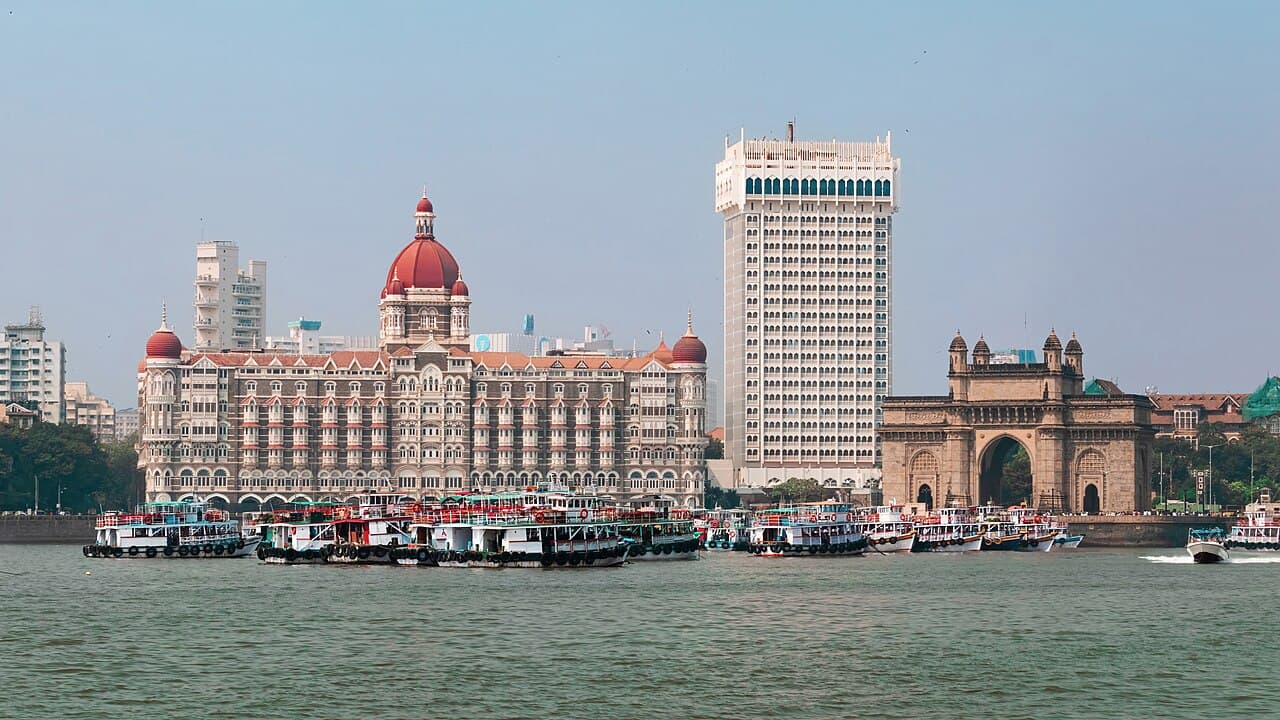
A short harbour-side visit with a surprisingly good story: an enormous ceremonial arch, working boats and the city meeting the sea. Check its own opening and access notes before adding a second stop.
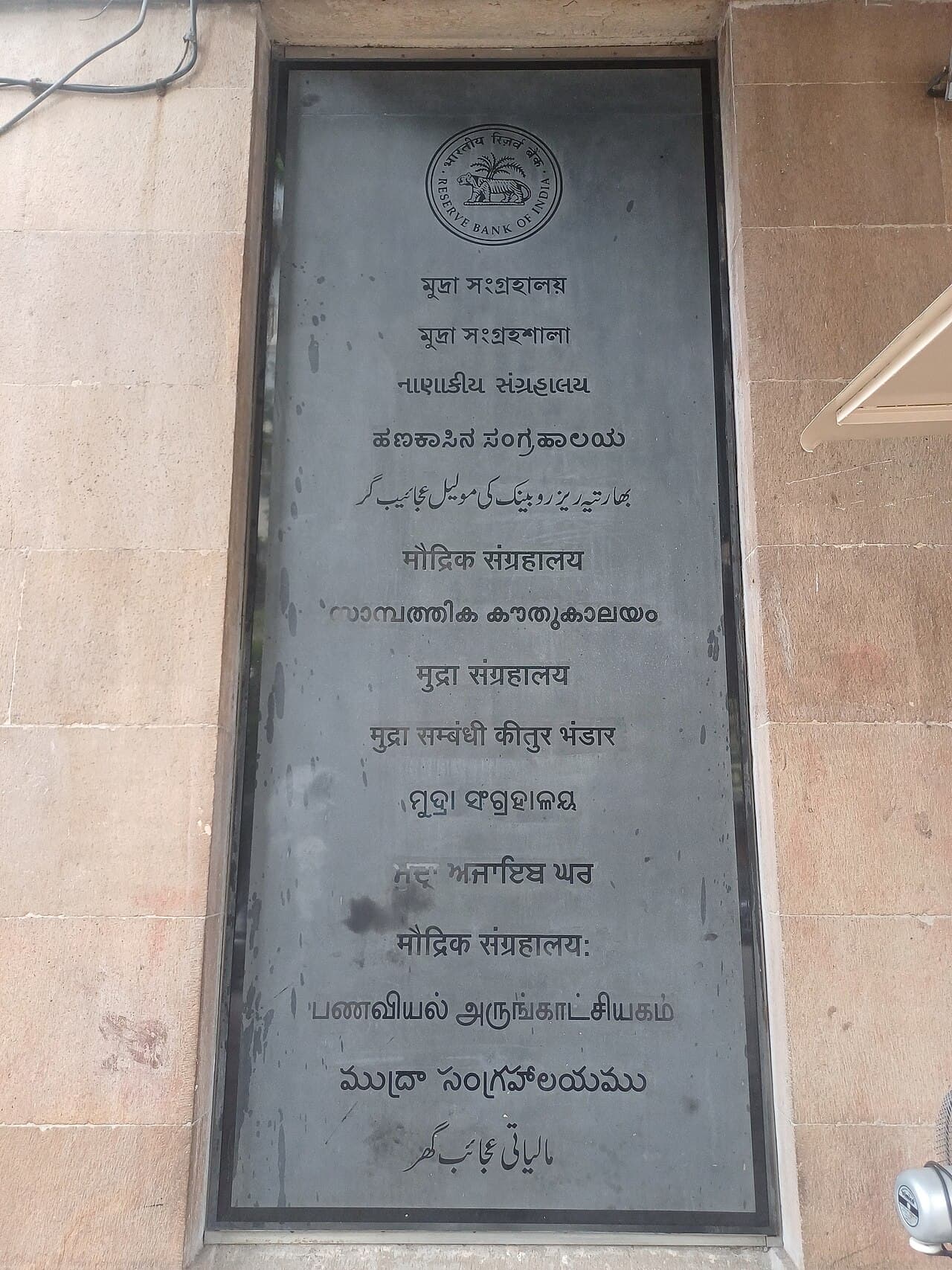
Planning alert: a Reserve Bank notice dated 14 July 2026 announces renovation closure from 22 July until further notice. Check its own opening and access notes before adding a second stop.