Pick an arrival and return point
Choose the stretch nearest your meal or transport connection, then walk out and back. That avoids discovering at the end that the stroller, tired child or taxi pickup is a long way behind you.
Marine Drive is easiest with children when you choose one comfortable stretch instead of trying to cover the whole bay.
1 photo · Rajarshi MITRA from Mumbai, India · CC BY 2.0 · Photos are representative and may not show current conditions. Credits →
Desk research, not a site visit. Re-check the official notice on the morning you travel.
Marine Drive is easiest with children when you choose one comfortable stretch instead of trying to cover the whole bay. Its appeal is simple: a wide sea view, the curve of the city, changing evening light and unusual coastal-defence shapes. It is a promenade outing; sand play belongs to nearby Girgaon Chowpatty and swimming is not part of this plan.
All ages with adult supervision; choose a short, accessible section for small children.
Marine Drive works as a flexible sea-view pause. It does not need to become an end-to-end walk to feel worthwhile.
Choose the stretch nearest your meal or transport connection, then walk out and back. That avoids discovering at the end that the stroller, tired child or taxi pickup is a long way behind you.
A sunset plan can involve heat, wind and crowds before the view arrives. Bring water, choose a manageable duration and leave early if the child is uncomfortable rather than waiting for a photograph.
The sea wall and tetrapods are not climbing equipment. Give children a dry-land spotting game and keep movement away from the edge and busy traffic crossings.
Plan an editorial 30–75 minutes, with a fixed turnaround or pickup point. Choose permitted public paths and adapt to weather, barriers and crowd conditions. These are self-led activities, with no guide or equipment hire implied.
Stand together at a comfortable viewing spot and trace where the waterfront bends. Open a map and compare its flat curve with the real skyline. Let children choose a visible landmark as a turnaround target rather than agreeing to an indefinite walk. This gives younger walkers a clear ending and makes the geography tangible without requiring the entire promenade.
The Central Water and Power Research Station documents tetrapods as part of Marine Drive’s sea-wall protection. From the promenade, look at how the concrete forms sit together. Ask why a shore exposed to waves needs a different edge from a garden path. These structures are engineering, not a climbing activity; do the observation from the public walkway and never descend between them.
The waterfront neighbourhood is a useful place to notice rounded corners, balconies and repeated lines. Choose one facade visible from a safe pavement position and let a child sketch just its pattern. Mumbai’s recognised Art Deco heritage provides context, but do not turn every building into a guessed heritage listing. Looking from public space does not provide permission to enter residential buildings.
Pick a short interval and notice what changes: the colour of the water, the contrast of the skyline or the first lights along the curve. An early-evening visit can show why the bay is called the Queen’s Necklace, if visibility and access cooperate. Leave when the family is ready; sunset timing is not a reason to wait through worsening weather or an uncomfortable crowd.
Prices, access and programmes can change. Confirm with the operator before setting out.
Netaji Subhash Chandra Bose Road, Marine Drive, Mumbai
Search-based Google map. Confirm the public entrance before travelling; this is not a surveyed entrance pin.
No. Choose one short segment and enjoy the same sea-and-city contrast. A partial walk is often better with small children than a point-to-point route that leaves everyone needing transport back.
They are tetrapods used for coastal defence. Ask children to notice the interlocking shapes from the promenade, while making clear that they are not safe play structures.
Keep the visit on the public promenade. Wet surfaces, gaps and waves make a climb down an unnecessary risk, and barriers or police directions must be respected.
The familiar effect comes from lights following the bay’s curve after dark. You do not need to remain late: choose a permitted early-evening visit and leave when the family has had enough.
No. Marine Drive is principally the waterfront promenade; Girgaon Chowpatty is the beach toward its northern end. A stroller-friendly stroll and sand play require different plans.
Use a legal stopping point and cross only at a suitable crossing. Decide on a precise pickup place before the walk instead of trying to improvise with tired children beside moving traffic.
Do not count on it. Exposed paving can feel hot despite a breeze. Keep the midday section brief, carry water and switch to an indoor stop if children become uncomfortable.
From a safe pavement position, compare repeated balconies, rounded corners and straight lines across buildings. Ask children to draw a simple facade rather than trying to identify every building.
Desk-researched from linked sources. Ages, durations, suggested routes and activities are editorial planning advice, not operator guarantees.
Tell us what has changed: new hours, a price, a closed gallery, a changing table that exists or doesn’t. We check against a source before publishing.
Consider one of these if there is time and energy left. They are alternatives; the route link lets you check the journey before adding a stop.
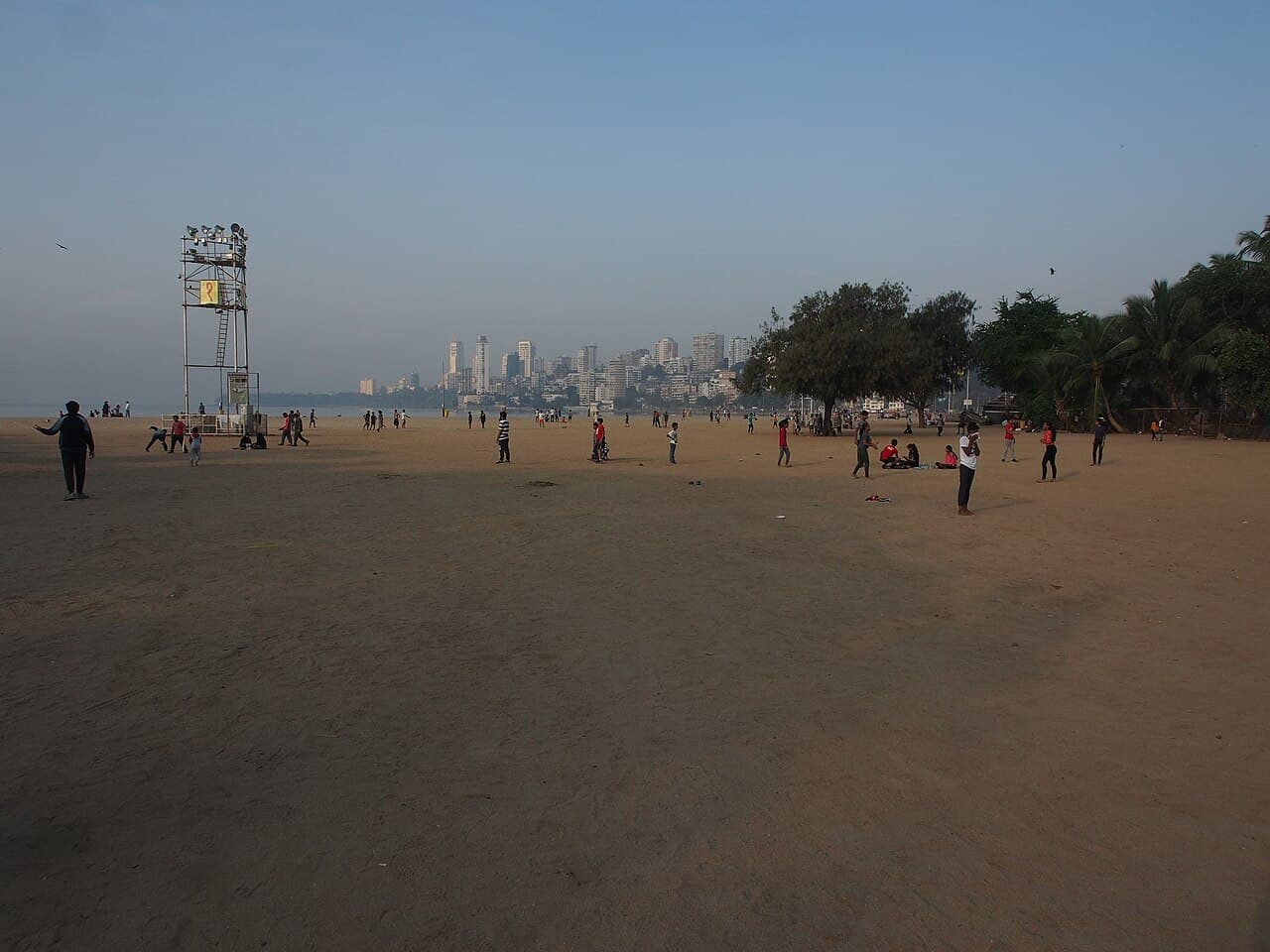
45–90 minutes · Outdoor
Girgaon Chowpatty offers a sandy pause at the northern end of the Marine Drive outing, with the city skyline still close by. Check its own opening and access notes before adding a second stop.
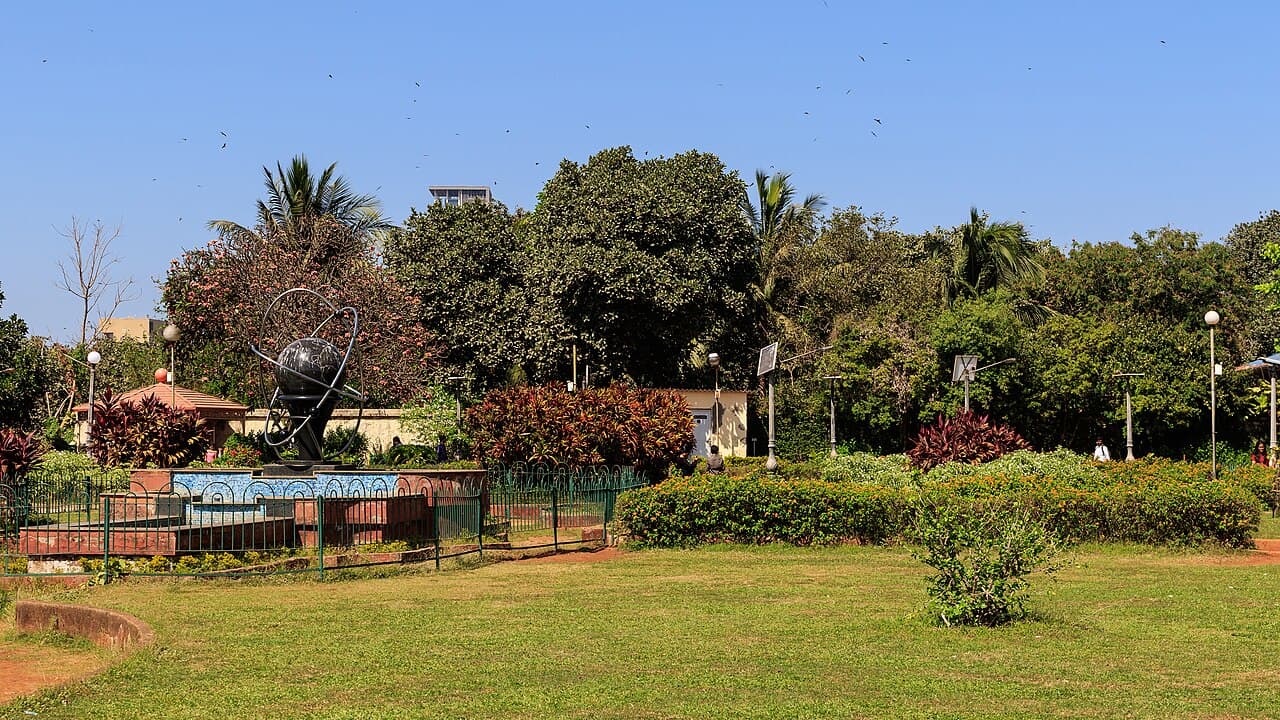
45–75 minutes · Outdoor
Hanging Gardens is a Malabar Hill garden visit built around paths, clipped planting and a slower pace. Check its own opening and access notes before adding a second stop.
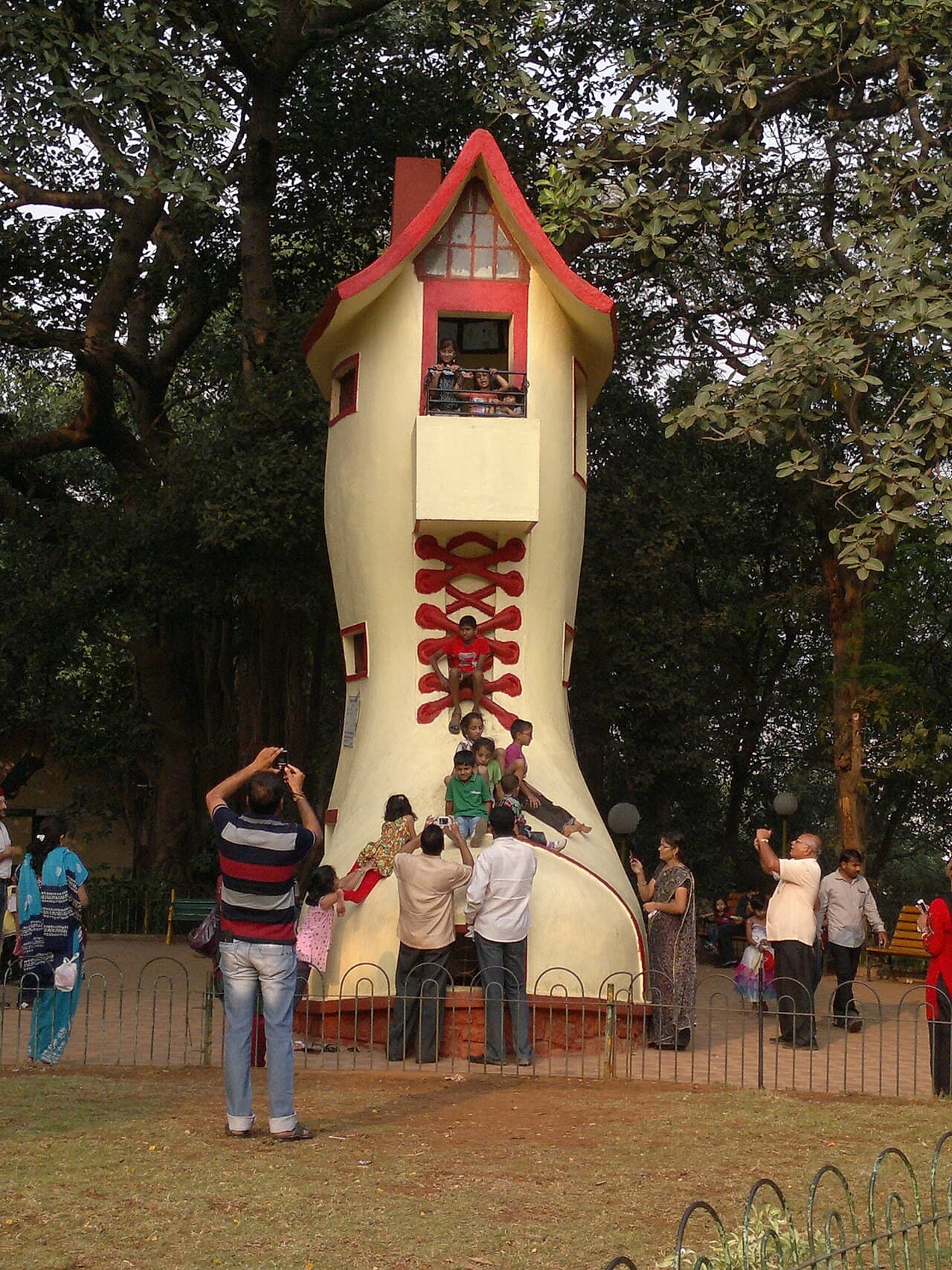
30–60 minutes · Outdoor
Kamala Nehru Park gives children a memorable object to look for—the giant Boot House—and a hilltop perspective on Mumbai’s bay. Check its own opening and access notes before adding a second stop.