Give the walk a simple spotting task
Ask children to find different leaf shapes or notice planted forms rather than demanding a full circuit. The small task helps turn an adult garden stroll into something they can direct.
Hanging Gardens is a Malabar Hill garden visit built around paths, clipped planting and a slower pace.
1 photo · A.Savin · FAL · Photos are representative and may not show current conditions. Credits →
Desk research, not a site visit. Re-check the official notice on the morning you travel.
Hanging Gardens is a Malabar Hill garden visit built around paths, clipped planting and a slower pace. Its most child-friendly hook is noticing shapes in the greenery rather than expecting an adventure playground. The Boot House is at neighbouring Kamala Nehru Park, so use the correct map pin if that is your child’s main wish.
All ages for a short garden walk; preschoolers may enjoy identifying hedge shapes.
The garden is best approached as a planted walking space with things to notice. Pair it with the neighbouring children’s attraction only if the family still has energy.
Ask children to find different leaf shapes or notice planted forms rather than demanding a full circuit. The small task helps turn an adult garden stroll into something they can direct.
Hanging Gardens and Kamala Nehru Park are often mentioned together, but the transfer still involves an urban road. Keep children beside an adult and use a sensible crossing rather than following the shortest map line.
If a young child has already had enough walking, there is no need to complete both gardens. Leave room for transport down the hill and a comfortable meal.
Allow an editorial 30–60 minutes for one unhurried circuit and a rest. Incredible India publishes 6 AM–8 PM, but a tourism timetable does not guarantee every path is open during maintenance. These are suggested family observation games, not scheduled garden activities.
The clipped hedges are an easy invitation to look closely. Let each child choose a shape and invent its personality, then compare what different people saw in the same planting. Stay on the path and use imagination rather than pulling branches to improve a shape. If a particular hedge has been replanted or trimmed, make that part of the conversation about gardens changing over time.
Choose a short route and record colours with words or pencil marks. Younger children can find two contrasting colours; older children can think about why repeated colours make a garden feel organised. The activity works even when flowers are sparse because leaves, bark and shadows provide a palette. Leave plants intact and make the souvenir on paper.
Follow the permitted paths and ask where the designer has encouraged people to walk, pause or look. Let a child propose a miniature garden with a shady rest place and room for someone using wheels. This is a good way to involve older siblings who have outgrown a simple animal hunt. It also makes shared-space manners part of the outing without turning them into a lecture.
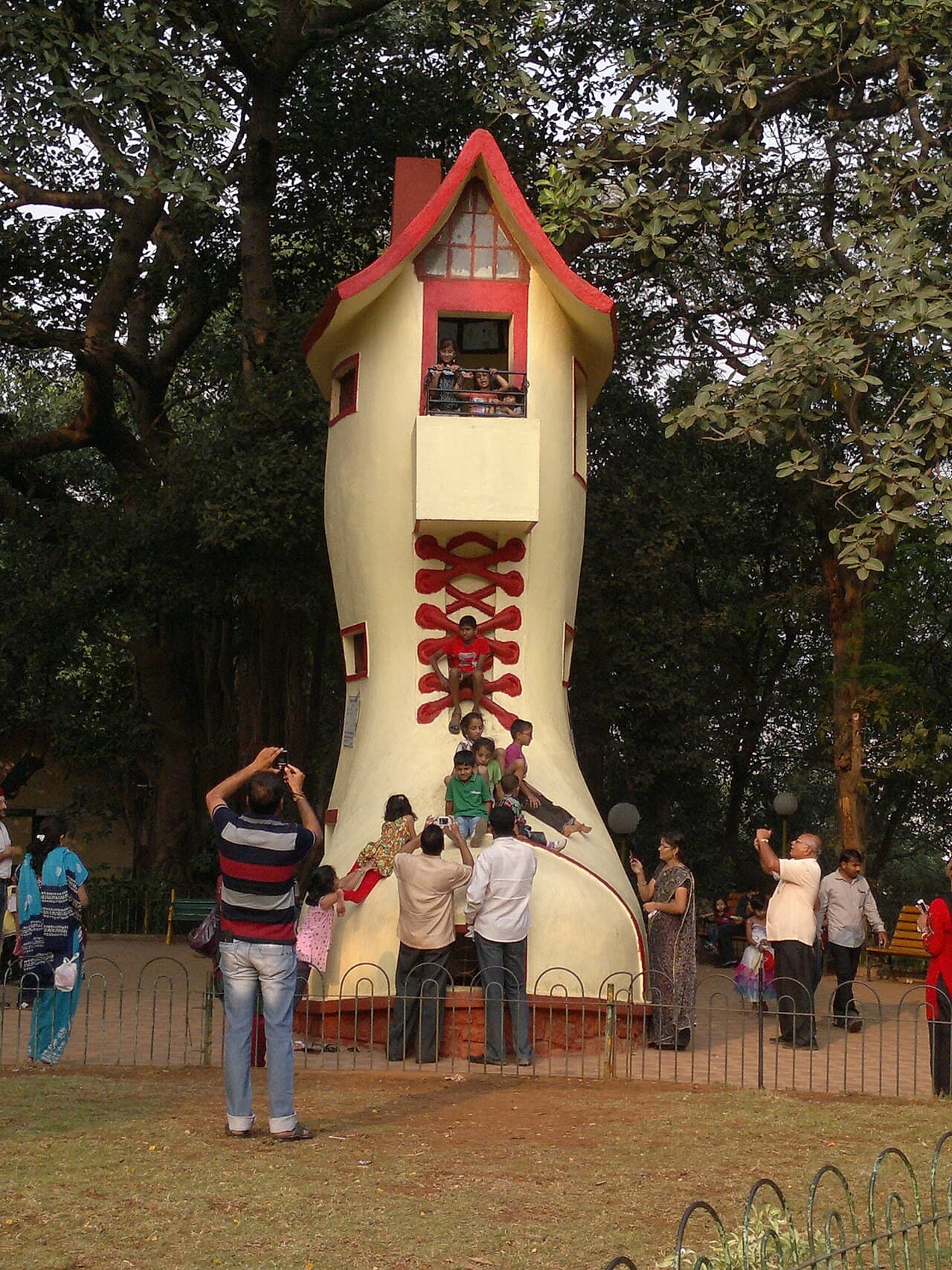
Kamala Nehru Park is a distinct nearby stop with a different appeal: the Boot House and viewpoint. Finish your current garden circuit, take a water break and decide whether anyone actually wants another stop. Check the crossing and gate notices before moving. Doing one park well is a satisfying visit; the short distance between two attractions does not remove tired legs or a need for food.
Prices, access and programmes can change. Confirm with the operator before setting out.
Hanging Gardens, Malabar Hill, Mumbai
Search-based Google map. Confirm the public entrance before travelling; this is not a surveyed entrance pin.
No. Set expectations for a landscaped hilltop garden with paths and planting, not suspended platforms or an adventure course.
The familiar Boot House belongs to nearby Kamala Nehru Park. Treat it as a separate nearby stop and check its access rather than promising it as part of every Hanging Gardens visit.
Look for hedge shapes that resemble animals and invent a name for each. It keeps attention on the planting without asking a small child to follow a long history explanation.
Leave plants intact. Photograph or sketch a favourite shape and make the craft later with paper; the shared garden should remain enjoyable for everyone.
The hill approach can add effort and traffic crossings. Choose transport to the entrance if you want a relaxed garden visit; this guide has not audited a continuous accessible uphill route.
No. The tourism listing provides general hours, but gardening work, maintenance or local restrictions can affect sections. Read the entrance notices before choosing your circuit.
Yes as an editorial route idea, with a water break and a road-crossing plan. Stop after one if a young child is already tired; proximity does not remove the need for rest.
Invite them to compare shade, leaf shapes and how paths guide people around planting. They can design a miniature park on paper with a resting place and an accessible route.
Desk-researched from linked sources. Ages, durations, suggested routes and activities are editorial planning advice, not operator guarantees.
Tell us what has changed: new hours, a price, a closed gallery, a changing table that exists or doesn’t. We check against a source before publishing.
Consider one of these if there is time and energy left. They are alternatives; the route link lets you check the journey before adding a stop.

30–90 minutes · Outdoor
Marine Drive is easiest with children when you choose one comfortable stretch instead of trying to cover the whole bay. Check its own opening and access notes before adding a second stop.
45–90 minutes · Outdoor
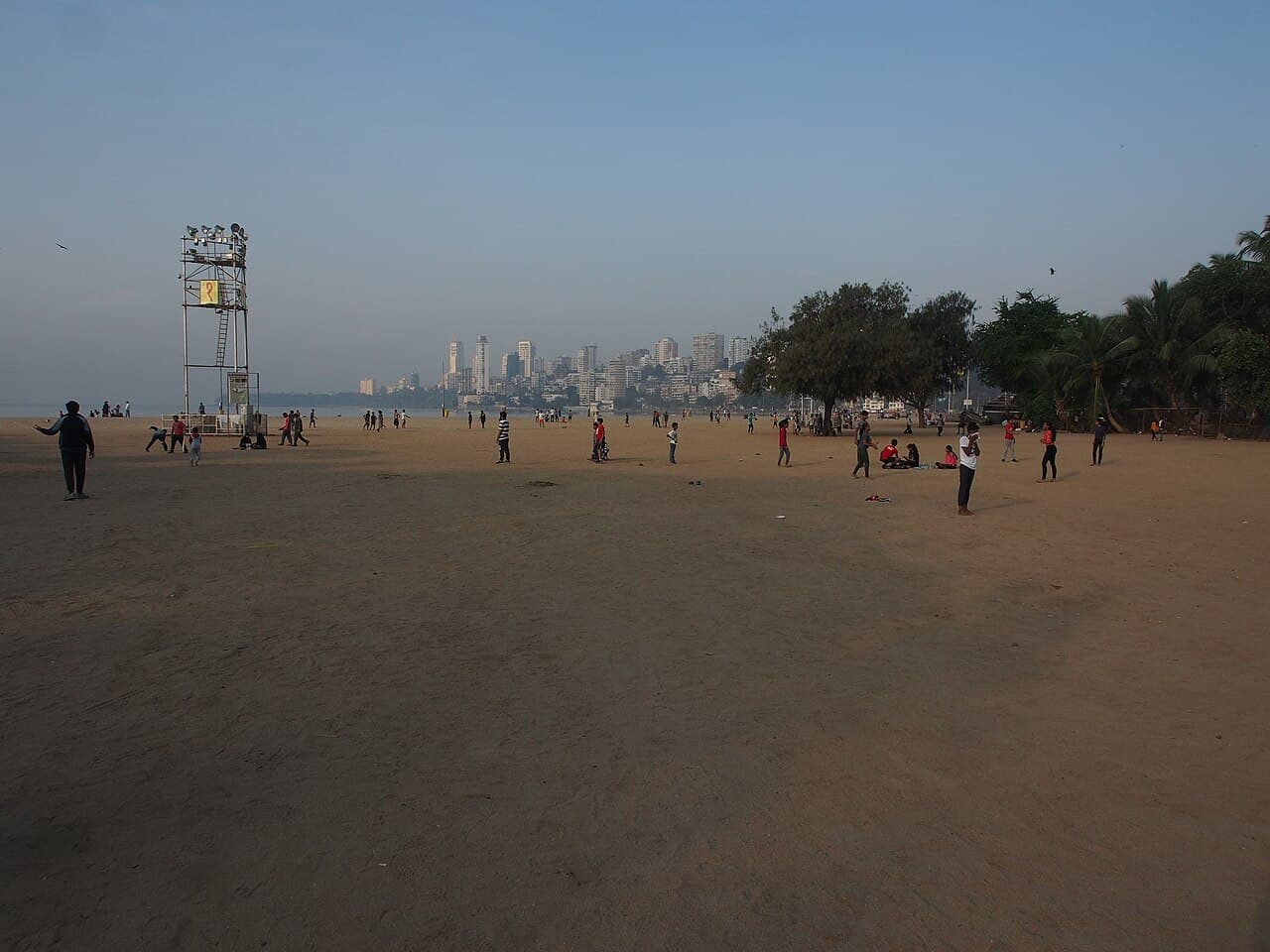
Girgaon Chowpatty offers a sandy pause at the northern end of the Marine Drive outing, with the city skyline still close by. Check its own opening and access notes before adding a second stop.
30–60 minutes · Outdoor
Kamala Nehru Park gives children a memorable object to look for—the giant Boot House—and a hilltop perspective on Mumbai’s bay. Check its own opening and access notes before adding a second stop.