Worli Fort offers a small-scale heritage outing within the setting of Worli Koliwada. The Maharashtra gazetteer locates the fort on a headland beside the old Koli settlement, and the municipal heritage list records it as a heritage site. Its value for children lies in reading a place: why choose higher ground, what could defenders see, and how does a fishing neighbourhood relate to the sea? Current opening arrangements and visitor facilities were not verified, so confirm access before making this the day’s main destination.
A fort on the Worli headland
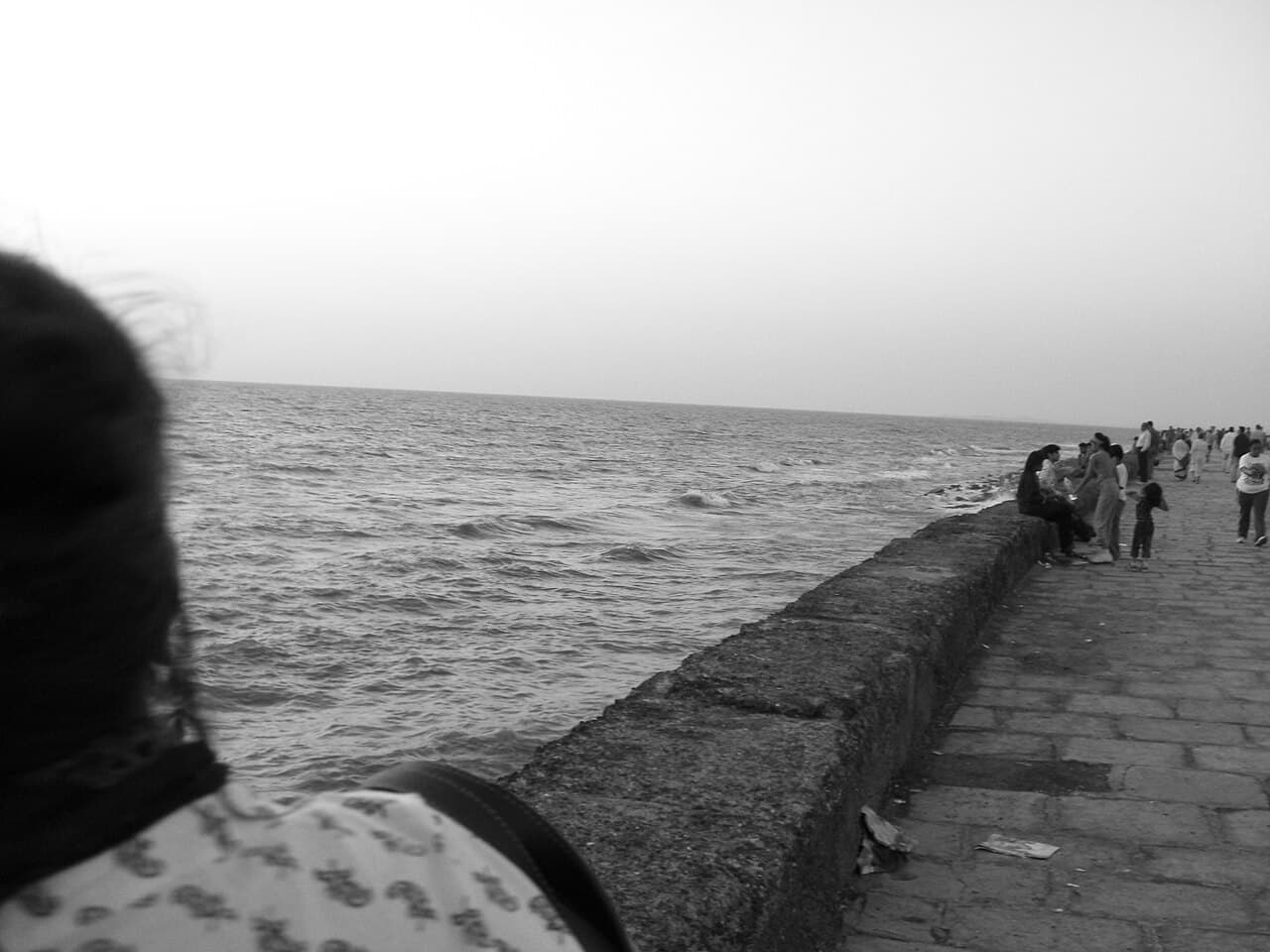
The relationship between fort, fishing settlement and Mahim Bay
A focused observation-and-history outing
Which ages it suits
Editorial fit: school-age children comfortable with steps and uneven surfaces. Not a default stroller outing.
From the parent perspective
Choose this for a small heritage detour, not a playground
The fort visit includes the approach through a lived-in fishing neighbourhood. Families who enjoy noticing walls, boats and the shape of the coast may find more value here than children expecting organised activities.
Treat the approach as part of the decision
Check current public access before setting off. Narrow lanes, uneven surfaces and steps can make a stroller plan awkward; do not assume a route that looks short on a map is suitable for wheels or a child already tired from a museum.
Give the walls a simple question
Ask why someone would build a lookout here and what they could see from the coast. The aim is a short observation-led visit, not a promise of a staffed exhibition, toilets or a play area.
Leave room for the neighbourhood
Keep noise low around homes and ask before photographing people. Avoid blocking lanes or treating residents’ working spaces as visitor facilities. If weather or access feels unsuitable, keep the fort optional and use the planned main attraction instead.
Picture the visit
A small fort within a living coastal neighbourhood
Plan Worli Fort through its Koliwada setting: confirm access, allow for the approach and explore local heritage without treating residents’ lanes as a tourist enclosure.
Begin with the neighbourhood, not only the view
The Heritage Project describes Worli Koliwada as a living Koli settlement and documents community-led heritage work. Explain to children that people live and work around the fort. Move through public lanes considerately, leave entrances clear and ask before making close photographs of people or their work.
Confirm access before the last part of the journey
The heritage setting is documented, but no current official daily fort timetable was established. A map result does not confirm an open gate. Keep the fort conditional and have another plan if entry is restricted; do not use an unofficial approach to bypass a closure.
Look at position rather than inventing a battle
Ask why a coastal lookout would occupy this position and what can be observed from permitted ground. Let a child compare the older structure with modern infrastructure. These are visual reasoning prompts; distinguish them from historical claims that need a reliable source or a knowledgeable guide.
Consider a community-led walk
The Heritage Project reports training local heritage-walk leaders and organising neighbourhood experiences. A current guided walk could add local context, but its project description is not a daily tour timetable. Contact the organiser for dates, age suitability, route length and what happens if fort access changes.
Useful once you’ve chosen
Make the visit work for you
Stay on permitted paths and keep off walls and exposed edges.
Respect residents, fishing activity and private thresholds in Koliwada.
Ask permission before photographing identifiable residents or their work.
Getting in
Set the fort-specific destination and plan the final approach through the neighbourhood respectfully. Do not assume a taxi can reach the fort entrance or that every lane is a tourist route. Agree a pickup point beforehand.
Hours
Current opening hours and public access not verified. Visit only in permitted daylight access and respect locked gates or barriers.
Access & strollers
A complete step-free route is not verified; expect a heritage setting rather than a fully accessible visitor facility. Ask locally about steps before proceeding with mobility needs.
Facilities
Staffed interpretation, drinking water, toilets, shade and baby-changing facilities not verified. Bring essentials and plan comfort stops elsewhere.
Season & weather
Dry, cooler daylight conditions are the easiest editorial choice; avoid wet, slippery or closed sections.
What to pack
Grippy closed shoes, water, hat and charged phone; a small sketchbook can support a short observation activity.
Before you go
What you pay
Current admission arrangements and any fee not verified.
Prices, access and programmes can change. Confirm with the operator before setting out.
Search-based Google map. Confirm the public entrance before travelling; this is not a surveyed entrance pin.
Before you pack the bag
Questions parents ask
Is Worli Fort the same as Bandra Fort across the water?
No. This is the fort in Worli Koliwada. Check the map destination carefully because both places are associated with coastal views and the Sea Link area.
Can we assume the fort is open every day?
No current official visitor timetable was verified. Confirm access locally before a dedicated journey and respect any closure rather than looking for an unofficial entrance.
Is this a good first outing with a stroller?
It is not a verified step-free route. A family dependent on a stroller or wheelchair should check the approach and steps first; an accessible indoor attraction may be a better default.
Why is Koliwada part of the visit context?
The fort sits beside a longstanding fishing settlement. It is a lived-in neighbourhood, so move considerately and avoid blocking lanes, work areas or private entrances.
Can children stand on the ramparts to improve the view?
Keep children off walls and exposed edges. Observe the setting from permitted stable ground and follow barriers and local directions.
What can we explain without inventing a dramatic battle story?
Ask why a coastal fort would use a headland and what its position allows people to observe. Distinguish that visual reasoning from documented historical facts.
Are toilets or a museum available at the fort?
Neither was verified from official visitor material. Plan this as a short heritage stop with your own water and a comfort break elsewhere.
Can we photograph people in the fishing neighbourhood?
Ask first, especially for close images of children, homes or work. A visitor’s interest in local life does not replace residents’ consent or make private areas public.
Is a heritage walk available every day from the gate?
A daily gate-based service was not verified. The Heritage Project describes organised experiences and trained local leaders; contact it for an actual date and meeting point.
Does a neighbourhood improvement project mean the fort route is fully accessible?
No. Better signage and infrastructure do not certify the complete route for wheelchairs or strollers. Ask about the exact approach, steps and resting options for your needs.
Desk-researched from linked official sources. Ages, durations, suggested routes and activities are editorial advice. Public access was not checked in person. Historical sources do not establish current opening or facilities.
Been recently?
Help improve this page
Tell us what has changed: new hours, a price, a closed gallery, a changing table that exists or doesn’t. We check against a source before publishing.
Nehru Planetarium is a scheduled, seated astronomy experience, so choosing the right language and arrival time matters as much as choosing the date. Check its own opening and access notes before adding a second stop.
The Game adds a genuinely playful indoor stop to a Worli day: bowling, cricket and arcade games in Atria Mall, with a Tweens N Tots zone listed by the operator for younger visitors. Check its own opening and access notes before adding a second stop.