Use models to start a conversation
Ask what looks different from the Mumbai outside the museum. A child can compare buildings, work or everyday objects without needing to read every label first.
Bhau Daji Lad is a museum for understanding Mumbai through objects: miniature people, maps, models and decorative work give children concrete ways into the city’s past.
1 photo · Qiw007 · CC BY 4.0 · Photos are representative and may not show current conditions. Credits →
Desk research, not a site visit. Re-check the official notice on the morning you travel.
Bhau Daji Lad is a museum for understanding Mumbai through objects: miniature people, maps, models and decorative work give children concrete ways into the city’s past. Its scale and city focus make a selective visit rewarding without trying to cover an enormous national collection. Look at how people lived and worked, then relate one object to the Mumbai outside the door.
Editorial fit: ages 6+ for object-based discussion; younger children can do a brief colour-and-shape visit.
The museum’s models and objects can give children a concrete way into the city’s past. Start with things they recognise rather than an exhaustive chronology.
Ask what looks different from the Mumbai outside the museum. A child can compare buildings, work or everyday objects without needing to read every label first.
Museum workshops, when offered, are separate scheduled activities. Confirm dates and age suitability before promising a hands-on session; ordinary gallery admission should be planned as a looking-and-talking visit.
Both nearby anchors have published Wednesday closures. Their proximity does not create a backup if you choose the wrong day, so verify the date before arranging transport.
An editorial 60–120 minutes suits a focused first visit. The museum’s municipal booking form now lists 10 AM–5 PM and Wednesdayclosed. Collection examples below come from the museum’s own interpretation; individual displays and temporary exhibitions can change.
The museum’s collection includes a three-dimensional representation of Mumbai’s original islands and maps showing the changing city. Let children trace separate land shapes before comparing them with a present-day map. Ask what would have been difficult about travelling between those places. You do not need to reconstruct every reclamation project: one clear before-and-after observation gives the collection an immediate connection to everyday journeys.
Clay models record occupations and communities in the city’s past. Choose one figure and notice the objects around it before reading the label. Ask what task the person might be doing and which similar job exists today. Avoid treating a historical model as a complete description of a living community; use it as evidence to question and discuss, not a stereotype to repeat.
The museum documents early boats, textile mills and a dredger model. Choose one and ask how it connects to the city’s growth: moving goods, making things or changing land. Children often understand a physical model more readily than a long chronology. Draw a simple chain from material to worker to transport, then check which parts the label actually supports.
Collection interpretation includes models that record the changing landscape of Worli. Compare what occupies the space and how the relationship between land and water changes. Invite older children to consider what a model leaves out: sound, smells, weather and the lives of people. This makes it possible to appreciate the craft while recognising that every representation selects a point of view.
Look for an object whose purpose is recognisable but whose decoration is surprising. Compare its material, repeated patterns and evidence of handwork. Let each child choose an everyday object they would preserve for a future Mumbai museum and explain why. This is an easy way to connect craftsmanship with the child’s own life without needing to identify every technique correctly.
Prices, access and programmes can change. Confirm with the operator before setting out.
Dr. Bhau Daji Lad Mumbai City Museum, Byculla East, Mumbai
Search-based Google map. Confirm the public entrance before travelling; this is not a surveyed entrance pin.
The municipal booking data read on 21 October 2026 lists adult 13–59 ₹20 and child 5–12 ₹10. This is a newer reference than the ₹10 adult/₹5 child figures in an older government directory.
The live data has a free “Below 5 Years” category, but another note still says below 3 needs no separate ticket. Confirm whether your child must be registered rather than inferring the rule from that inconsistent wording.
The municipal site currently offers entry booking and publishes 10 AM–5 PM, Wednesdayclosed. Old restoration reports should not replace the current date-specific booking check.
No combined inclusion has been established. The museum runs a separate municipal ticketing flow; plan and pay for it as its own attraction.
Bhau Daji Lad puts Mumbai’s people, material culture and changing city at the centre. It suits children who like miniature models and maps; CSMVS offers a broader spread of art, archaeology and natural history.
The operator prohibits flash and requires permission for tripods and commercial filming. Its booking data offers camera add-ons; clarify your particular device and purpose before paying.
Do not assume so. Check the museum’s current event link for its date, age band, capacity and registration. The activity described in an old social post may no longer be running.
The municipal form states that a ticket is valid for its selected date and cannot be changed. Avoid buying a tightly scheduled second attraction unless the family can comfortably manage it.
The complete current route has not been audited. Contact the museum about the entrance, lift and the particular galleries you want before committing to travel.
Desk-researched from linked sources. Ages, durations, suggested routes and activities are editorial planning advice, not operator guarantees.
Tell us what has changed: new hours, a price, a closed gallery, a changing table that exists or doesn’t. We check against a source before publishing.
Consider one of these if there is time and energy left. They are alternatives; the route link lets you check the journey before adding a stop.
2–3 hours · Outdoor
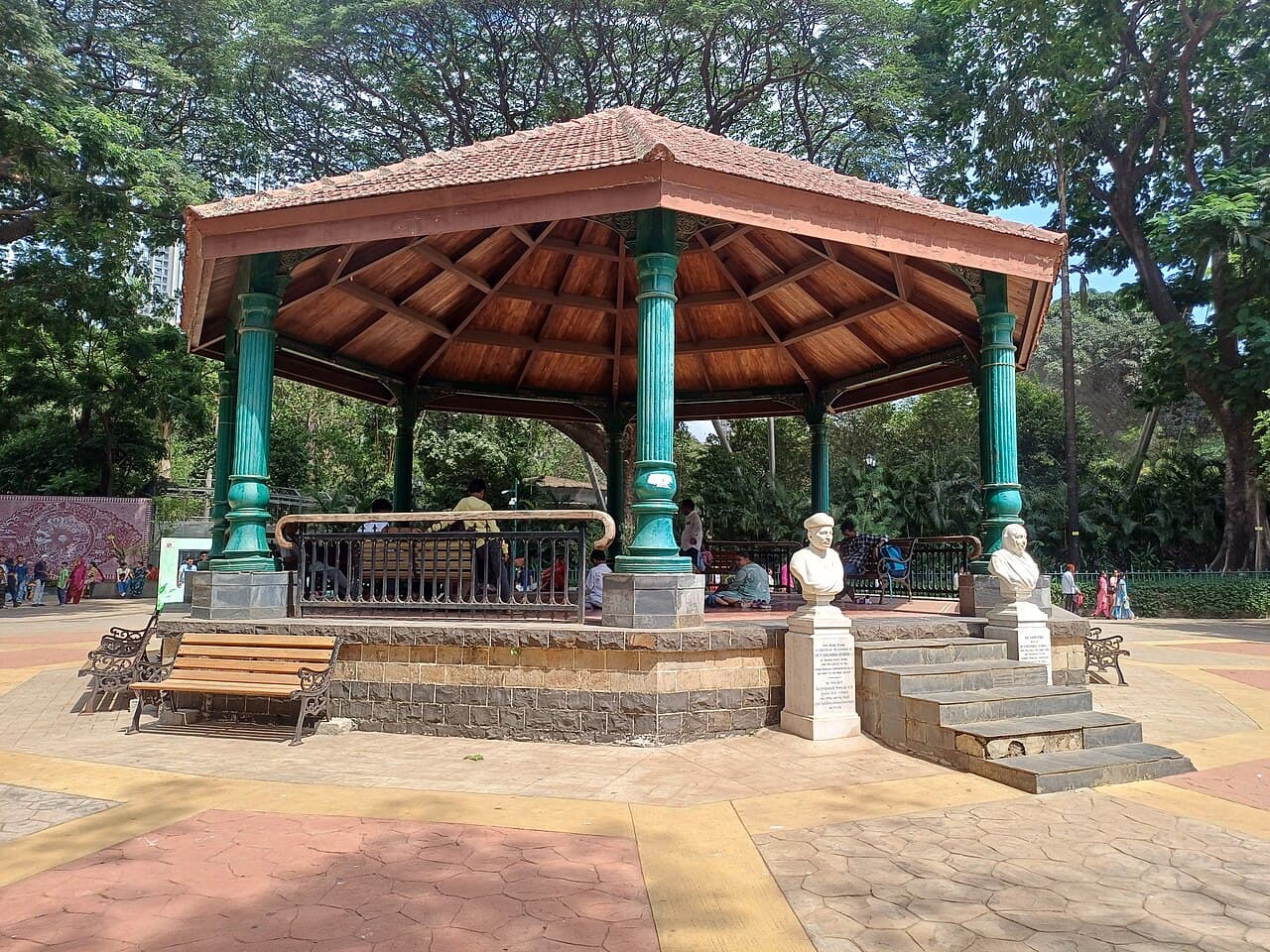
Byculla Zoo, also called Rani Baug, combines animal observation with a substantial historic botanical setting. Check its own opening and access notes before adding a second stop.